JEDDAH, 21 January 2003 — Baroness Symons of Vernham Dean, the UK’s minister of international trade and investment and deputy leader of the House of Lords, highlighted the advantages of globalization at the final day of the Jeddah Economic Forum here yesterday.
She also said that it was a “myth” that membership of the World Trade Organization (WTO) only benefits the industrialized Western nations.”
“There might have been some truth of that in the past, but after the November 2001 Doha agreement the emphasis is on bringing countries together,” she explained.
She also called the Kingdom of Saudi Arabia a “vital trading partner, which will help the world economy in joining the WTO.”
“We are sensitive and sympathetic to difficulties and issues facing Saudi Arabia in respect to globalization,” the baroness stated, saying that similarities rather than differences between cultures should be emphasized.
“Accession to the WTO will help underpin economic reform, help attract foreign direct investment and assure Saudi access to world markets,” she said.
She acknowledges that Saudi Arabia must follow a model that it is comfortable with and takes into account its specific cultural and religious environment.
“Privatization and economic liberalization may be beneficial to society, but acceptance or otherwise of these devices must be a sovereign decision. One size does not fit all.”
She commended the efforts the Saudi Arabian General Investment Authority (SAGIA) has made to attract foreign investment in the last two years.
“We look forward to the development of more investment opportunities in — among others — the water, power, telecommunications and transport sectors, and of course gas.”
Education, the baroness emphasized, is in particular need of reform. Welcoming Saudi students to further their education in the UK is an example of her country’s commitment to staying “open” despite the post-Sept. 11 climate.
She affirmed the importance of education to furthering the role of women in society and future.
Saudi male and female entrepreneurs were encouraged to look at small and medium sized enterprises, which the baroness called the “key drivers of innovation and job creation.”
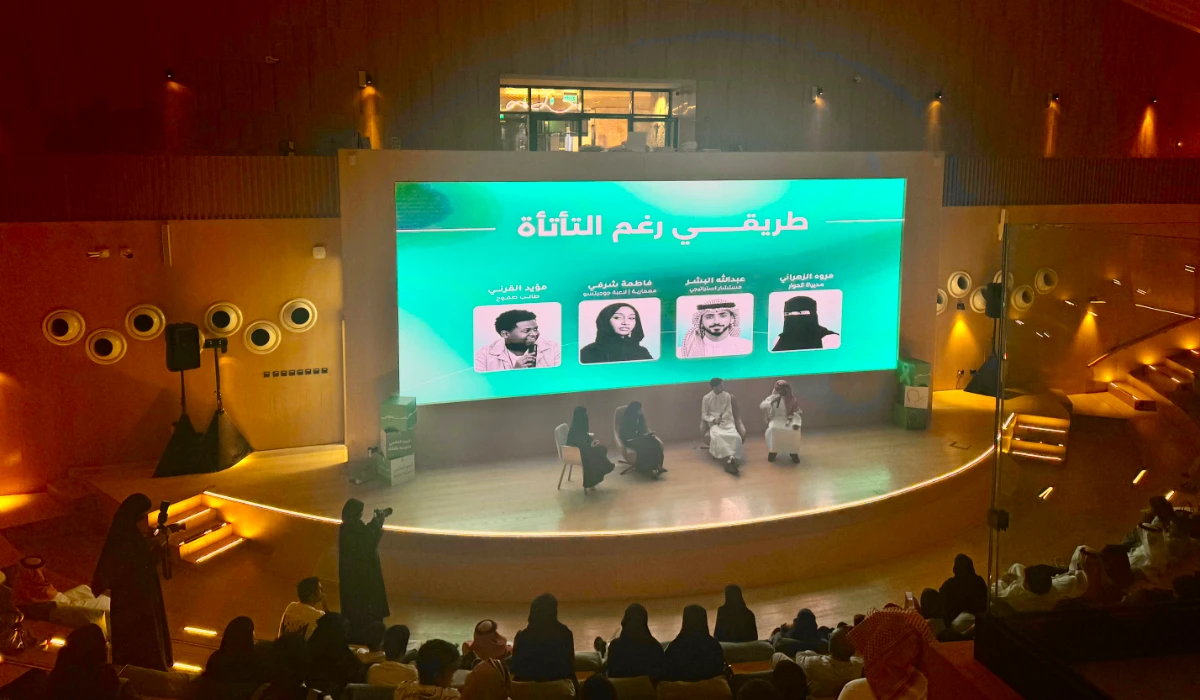
Although the main theme of yesterday’s discussion was microeconomics, the female attendees at the forum continued their pressure on delegates to increase the opportunities for Saudi businesswomen.
“Gaining gender equity and equality is a long, slow process,” the baroness advised them, “and we have to be very determined. Early women role models met with resistance, but inspired subsequent generations.”
During a panel discussion on the “Competitiveness of companies,” Ali S. Al-Shihabi of the Saudi Hollandi Bank stated that “although we have strived to hire qualified women, we are still required to separate men and women because of social constraints, as we are separated here (at the JEF). It’s hard to give a Saudi woman the prominent role she deserves. This will be an evolutionary process, which will come in time.”
One of the female attendees addressed the panel and expressed her belief that women working in banking institutions were being held back by not being given important managerial positions.
However, Dr. Nahed Taher of the National Commercial Bank rejected this accusation by stating that she herself is “a senior economist for NCB,” and “an integral part of the bank’s decision-making process”.
Speaking after her lecture to Arab News, Baroness Symons was keen to comment on the confidence and optimism of Saudi businesswomen, calling this the greatest change she has observed compared to her visit last year.
“It was quite exhilarating to be here today to see this,” she said, explaining that those women are taking advantage of a wealth of opportunities in SMEs.
She stressed the importance of “people to people” communications as vital in the emerging role of women in the Saudi economy, saying she was pleased at how women argued their case about difficulties faced and developments achieved.