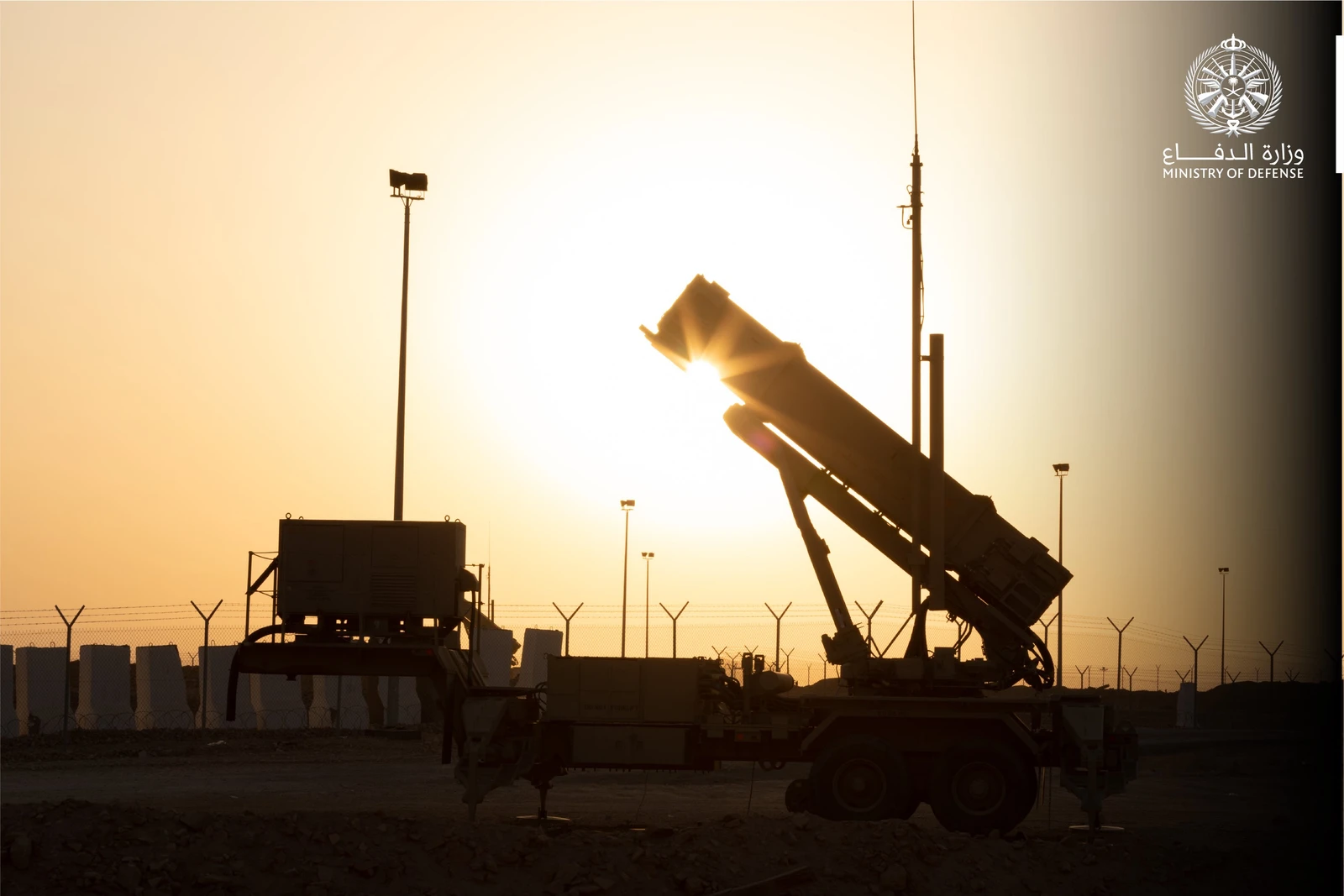
RIYADH, 22 March 2003 — The reverberations of the war were felt across a broad spectrum of the socio-economic landscape in the capital.
Diplomatic missions in Riyadh geared up arrangements to cope with any exodus from Kuwait. Business activities were at a low ebb, while the travel and hotel industry was beginning to feel the pinch of the war. The market was cautious, with everyone waiting for the outcome of the war.
An Indian Embassy team from Riyadh had reached Khafji, 20 km from the Kuwait border, to help out members of the Indian community who were expected to start pouring in from Kuwait.
“We have made arrangements to transport 1,000 people daily to Jubail, for which 20 air-conditioned buses have been stationed at Khafji,” Zikr-ur-Rehman, first secretary at the Indian Embassy, told Arab News.
He said the Indian Embassy had already discussed with the Saudi authorities the issuance of transit visas to the Indian returnees. They will be accommodated in a Jubail school till arrangements are finalized to send them back home via Dammam Airport.
Ambassador Talmiz Ahmad called an emergency meeting of embassy officials yesterday to discuss the contingency plan. A 24-hour help line has also been set up.
Shamshad Ali Siddiqui, a Pakistani businessman, said the construction sector was facing a slump. “My own business is down by 25 percent as the business community is in a cautious mood and waiting for the outcome of the war. However, the situation cannot be compared to the 1991 Gulf war,” he observed.
Hotels and restaurants reported a drop in business. A spokesman for the Riyadh Intercontinental Hotel said their room occupancy had fallen as business travelers were avoiding the Gulf states during the war. Food festivals were down and promotional events canceled. The Bangladesh Embassy cancelled a reception it had planned as part of its National Day celebrations.
Also badly affected were travel agents. Moin Ansari of Minhal Travels said many passengers who had made reservations brought them forward to leave the Kingdom out of safety concerns. “There was heavy booking during the last two months when our own agency handled some 800 passengers, a majority of whom were Dutch, French and British.”
Meanwhile, Luftansa has announced that it will impose a war risk surcharge of 0.10 euros for every kg of weight transported to cover the additional costs arising from the war in Iraq. “The conflict in the Middle East has far-reaching consequences for the entire aviation industry. It also means additional costs for the international air cargo sector,” Lufthansa Cargo said in a statement. The surcharge will take effect from March 25 and will apply worldwide, it added.
The Ministry of Commerce’s department for combating trade fraud has deployed a number of squads in various parts of the country to prevent a possible price hike for consumer products.
According to a survey conducted by Arab News, prices of consumer goods including rice, cooking oil and milk powder had gone up by two to four percent in Riyadh as a result of bigger demand.