
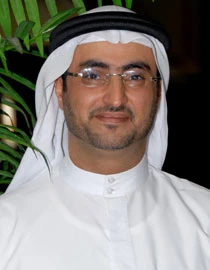
JEDDAH, 10 May 2006 — Investors based in Saudi Arabia are currently the target of a series of road-shows and presentations by the Dubai Waterfront Company. The Dubai-based company, responsible for the biggest waterfront development project in the world, hopes to tap into the cash rich economy and attract investors from the Kingdom in addition to other Gulf countries.
“Saudi Arabia is potentially the biggest market for us,” said Ammar Sinan, company sales manager. “It is an important market, it is local and attracts low GCC tariffs.” He said that there had been a great deal of interest to judge by the response from the road show held earlier in the Eastern Province. “Key investors have already bought substantial plots of land,” he said.
The waterfront development now includes the Madinat Al-Arab project and Palm Jebel Ali. Sinan saw the incorporation of these two projects into the waterfront project as adding great significance in terms of investment opportunity to both projects. The juxtaposition of Palm Jebel Ali and Dubai Waterfront, both accessed only through Madinat Al-Arab “results in a lot of synergy between the two projects. Putting them together will make it a beautiful city.”
When complete, it will accommodate up to a million people. Thirty five kilometers south west of Dubai city and built on the last remaining undeveloped 12 kilometers of available beach front in the emirate, the city is strategically located as an international hub at the commercial crossroads between east and west.
Sinan sees definite commercial advantages in the link-up between the three projects. “When they come together there will be a full serviced city with commercial developments and a completely self sustaining city, indeed everything a city needs.”
Expanding on the theme, Sinan said that the basic infrastructure such as sewage disposal and desalination were planned into the development. “The entire infrastructure will be carried by Dubai Waterfront and we will ensure all the utilities are available.”
He added that recently major improvements were made to the existing master plan. “When we looked at the city, we wanted to make it more of a “livable” city, he said.
To achieve this, major boulevards were widened from 80 to 200 meters, a great deal more greenery and open spaces were planned in, “things that will add value to the existing plan and which will attract investors.
Located close to the Jebel Ali airport, planned to be one of the biggest in the world, the new city is also next to the Jebel Ali free zone. Both, said Sinan, will provide thousands of jobs to sustain the residents, many from outside the emirate, who will populate the city.
Seventy percent of the downtown area will be commercial. The Dubai Waterfront company is currently inviting companies worldwide to establish businesses in the development. To overcome the increasingly severe problems of traffic that plague Dubai, “one of the first things we did was to assign a traffic consultancy company,” Sinan said. “It was involved from day one to ensure there would be no traffic issues.” The scale of the project and the density of the population required that roads or a planned light rail system connected the inhabitants to the sky train of Dubai. “We have looked at all aspects of this and we hope to avoid this problem.”
Cities need support staff to maintain and service the facilities. Asked what infrastructure was planned for the blue collar workers, Sinan said that Nakheel and investors coming into Dubai conducted studies of these requirements. “We will start to see more development of the low to medium income in response to the market requirements.”
He said that demand from people wanting to move to Dubai had been growing rapidly. “This explains the large number of projects under way or announced. It’s a problem of stability. We have to ensure that supply meets demand.” Was then low cost housing built into the city plan? “Yes,” he confirmed, “It is under consideration to make sure the projects coming up cater for all levels of people that live in Dubai.”
He believed that stabilization of supply and demand was approaching rapidly with thousands of units started a few years ago now becoming available for end users.
“In the beginning, demand was high and there was nothing at the supply end. Once those units are available, they will stabilize the market.”