- ALGIERS: Fresh protests erupted in Algeria on Saturday against soaring food prices as the government considered measures to limit the cost of staple foodstuffs to quell the unrest.
Algerians have held violent demonstrations across the country since Wednesday in protest against high unemployment and food price inflation which has seen the cost of staple products like sugar, cooking oil and flour double in recent months.
Fresh protests broke out in the Kabylie region east of Algiers on Saturday, including in the two cities of Tizi Ouzou and Bejaia, witnesses told Reuters by phone.
The Kabylie region is considered a stronghold of al Qaeda in the Islamic Maghreb so any unrest there is highly sensitive.
Interior Minister Daho Ould Kablia was quoted by official press agency APS as saying that two people had been killed and 400 injured in protests across the country since Thursday.
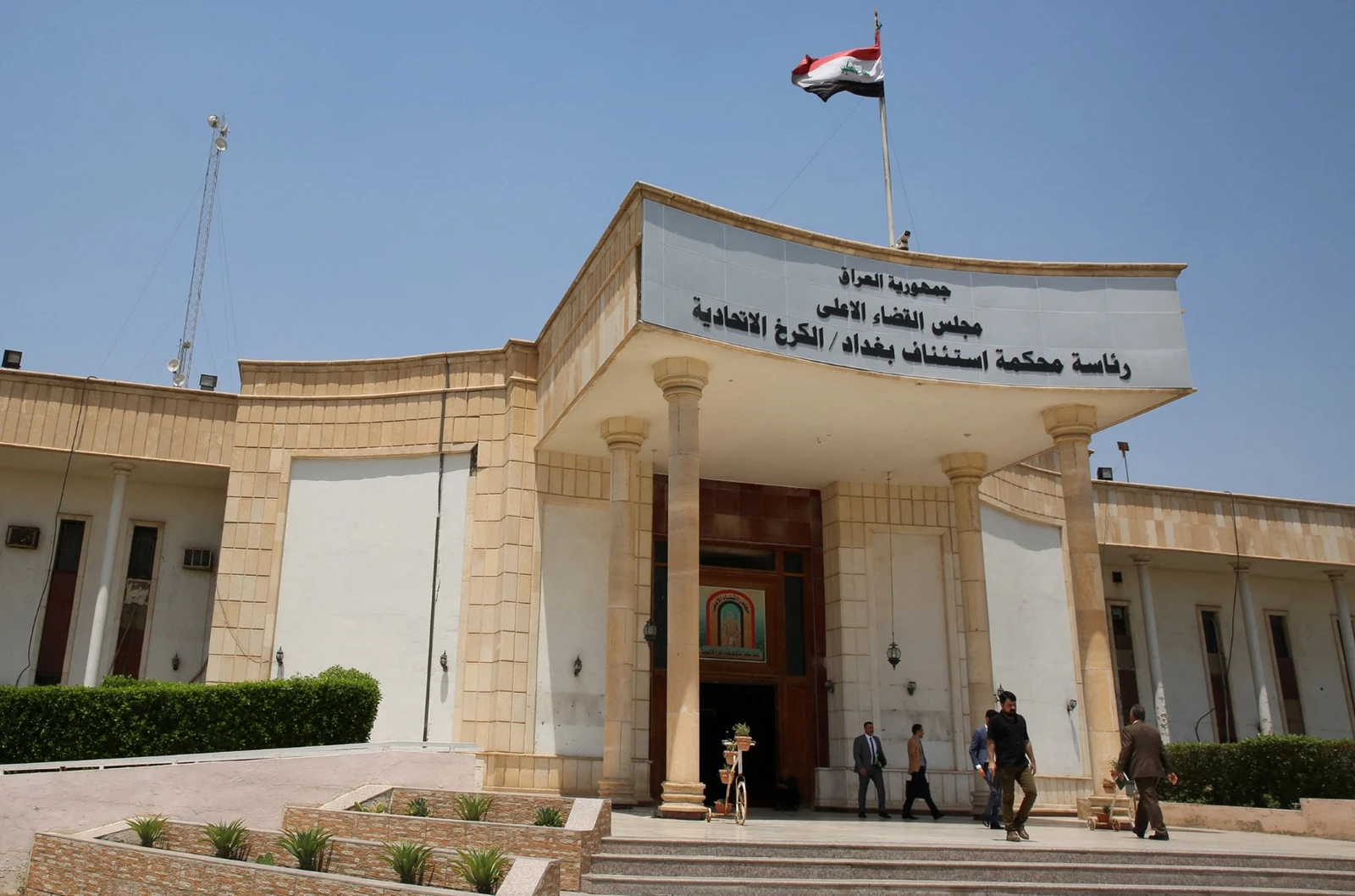
APS said protesters ransacked government buildings, bank branches and post offices in several eastern cities, including Constantine, Jijel, Setif and Bouira, on Thursday night and Friday morning.
“There is a lot of tension in the air. People are afraid. In my neighborhood, this morning there was no bread, no milk, nothing,” said pensioner Abdallah Chiboub, 65, who lives in Bab Ezzouar east of Algiers.
The government was due to meet later to discuss measures to limit the profit margins traders can charge for staple foods to try to quell the unrest.
President Abdelaziz Bouteflika, serving his third term, has not made any public comment on the protests. Trade Minister Mustapha Benbada has said urgent measures will be taken to alleviate pressure on the population.
“From the start of next week, the situation will get better,” Benbada was quoted as saying by state radio. The government is expected to impose fixed profit margins on widely-consumed goods including edible oil and sugar.
The cost of flour and salad oil has doubled in the past few months, reaching record highs, while 1 kg of sugar, which a few months ago cost 70 dinars (27 U.S. cents), is now 150 dinars.
Unemployment stands at about 10 percent, the government says. Independent organizations put it closer to 25 percent. Official data put inflation at 4.2 percent in November.
With oil prices at around $90 a barrel, energy exporter Algeria can afford to spend more on subsidies to overcome the crisis. Its foreign exchange reserves hit $155 billion by the end of 2010.