
- TOKYO: Toyota Motor Corp denied a report its output would return to pre-quake levels two or three months earlier than expected, but said it will try to resume normal production as soon as possible.
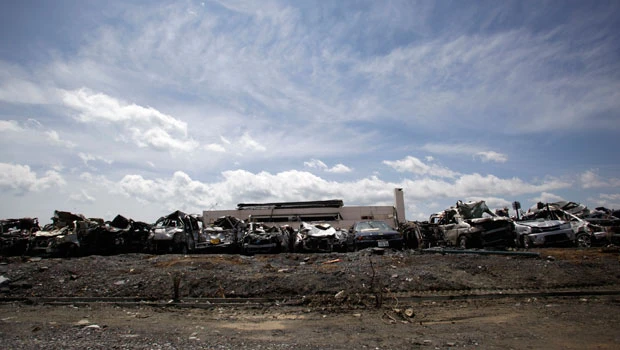
Japan’s automakers have slashed production after the massive earthquake in March crippled supply chains and damage to a major nuclear plant caused power shortages.
This has benefited sales at General Motors, Ford Motor and Hyundai Motor as they pick up the slack while the supply of Japanese vehicles dwindles on dealer lots.
The Nikkei newspaper report briefly sent Toyota shares higher, helping lift overall sentiment in the Tokyo stock market.
But the automaker said after the bell that it still expects output to normalize by November or December, as announced on April 22.
Toyota’s domestic factories are back online but are working at volumes equivalent to half of the company’s original plans and at an average 40 percent outside Japan.
It plans to gradually lift production from July in Japan and around August overseas.
Analysts have said Toyota is almost sure to lose its title as world’s largest automaker to GM, and is vying for the No.2 spot against Volkswagen.
Honda Motor has also said it would take until the end of the year before production returns to normal.
The disruption of parts supplies in Japan has also affected car makers overseas, but Hyundai, GM, Ford and Chrysler far outsold their Japanese peers with double-digit sales growth in the US during April.
Renesas Electronics, a major supplier of chips to the auto industry, said recently it would resume operations at a damaged factory north of Tokyo on June 15, and analysts have said that Toyota’s previously announced plan may be conservative.