- Fleets is Twitter’s answer to trying to put people at ease by only leaving their tweet available to view for 24 hours
RIYADH: When Twitter expanded its character limit from 140 to 280 in 2017, it was big news.
Since then, the platform has announced other audio-visual functions such as videos and audio tweets.
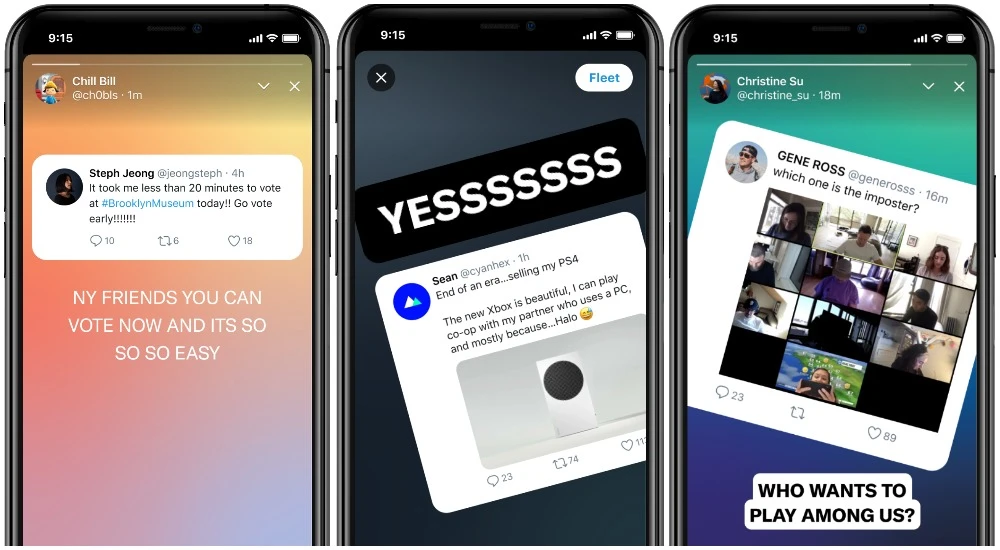
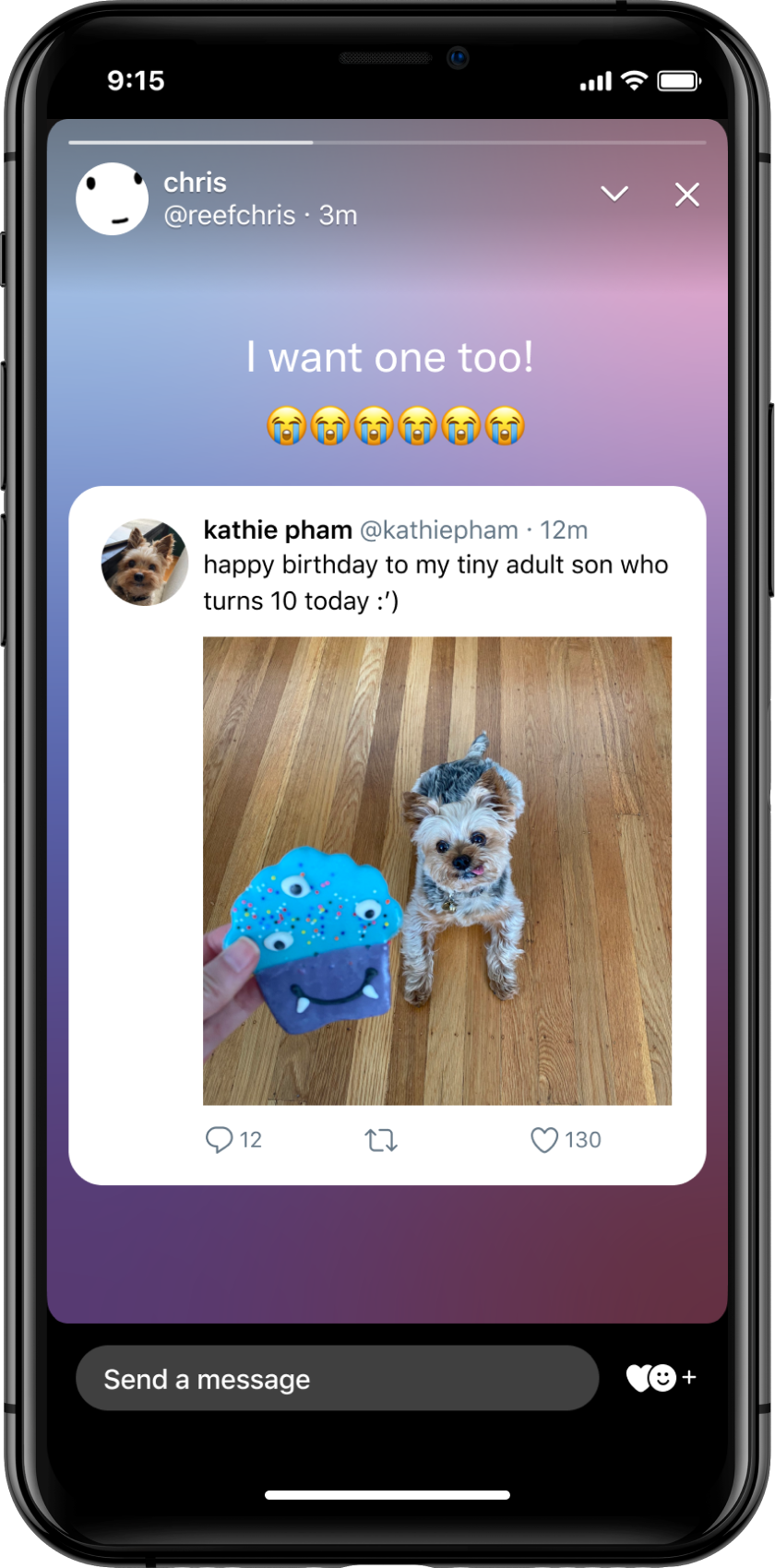
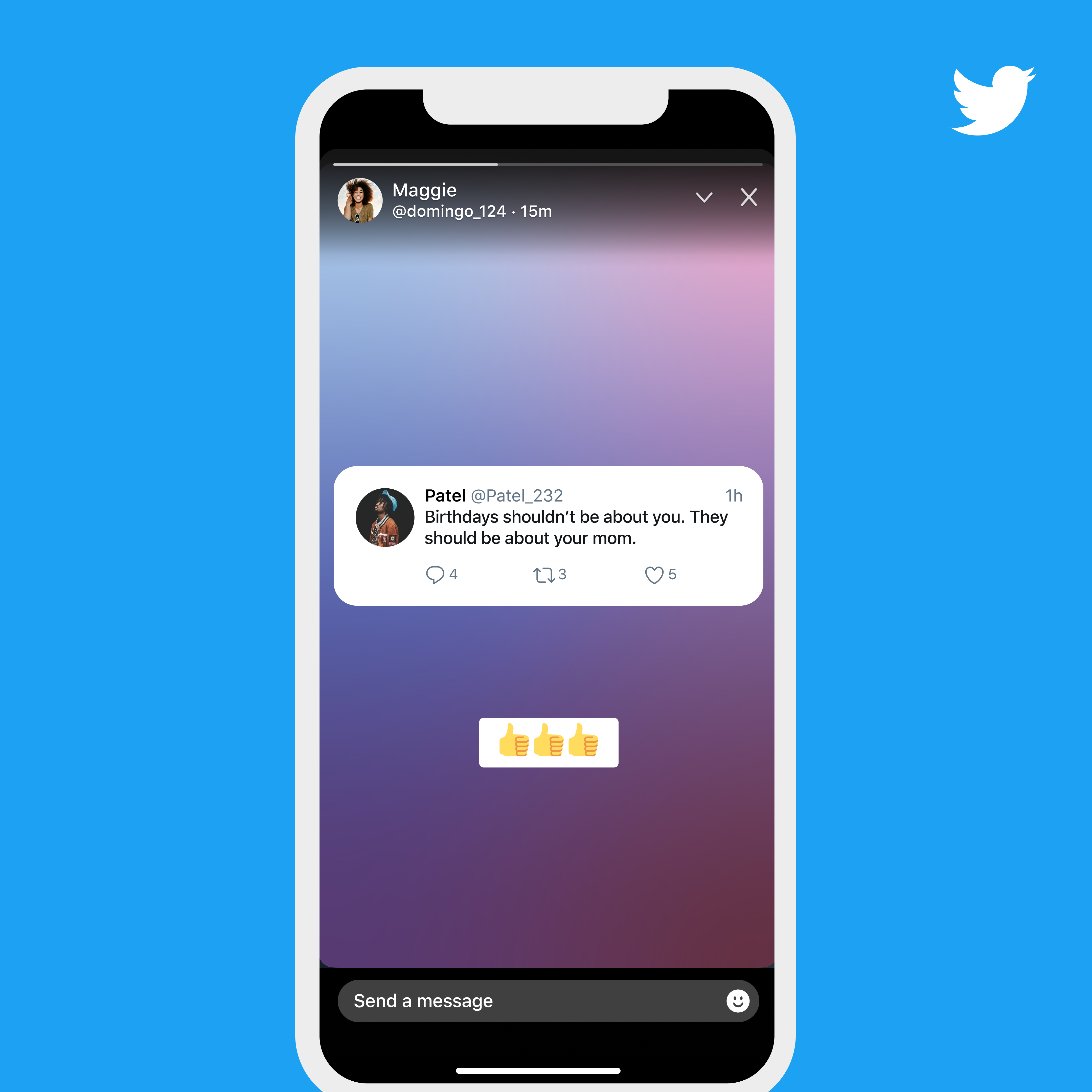
Now it is going one big step further with the launch of Fleets, or fleeting thoughts.
Twitter’s research has shown that some people find tweeting uncomfortable and are daunted by the prospect of expressing a public thought that will permanently stay on the platform with the added pressure of racking up likes and retweets.
Fleets is Twitter’s answer to trying to put people at ease by only leaving their tweet available to view for 24 hours.
Through testing in Brazil, Italy, India, and South Korea, Twitter learned that Fleets helped users feel more comfortable joining the conversation. Those new to Twitter found Fleets to be an easier way to share what was on their mind. And Twitter plans more tests to learn more.
Stickers and live broadcasting will soon be added to Fleets with the new feature positioned on its home page at the top of the timeline. People will be able to respond to a Fleet via direct messaging.
Joshua Harris, Twitter’s director of design, said: “This format might sound familiar and it might seem like we’re a little late to the game on this but we’ve been methodical in exploring the format and how it works for people on Twitter. And we realized through market tests research that it makes sense for our platform.”
Twitter is also taking audio as a medium to the next level. Audio or voice tweets, which were rolled out on iOS in June, will see some updates such as transcription, Android support, and introduction to direct messages in the coming months.
Taking this a step further, Twitter is launching Spaces as a test feature. “While voice tweets allow people to share what’s on their mind to broadcast their voice to start a conversation, we imagined a live audio space to be a place where people could communicate directly with one other person or a group of people,” said design director, Maya Gold Patterson.
“We are going to launch this first experiment of Spaces to a very small group of people; a group who are disproportionately impacted by abuse and harm on the platform – women and those from marginalized backgrounds.”
Spaces will have new features that will be announced based on the test experiment.
The virtual conversation also places great emphasis on safety. Kayvon Beykpour, Twitter’s global head of product, said: “In order for us to serve the public conversation, we need to make sure that the public conversation is easy.
“Now what that means for us, is people need to feel safe participating in conversations. People need to feel free of abuse and harassment.”
The company’s research found that most of the time people did not intend to break the rules or be rude and cruel.
“Of course, we do know that this is not indicative of everyone,” said Nikkia Reveillac, head of research. “We’ve discovered that there is a small group of people who are actually trying to do harm and actually trying to break the rules.
“They often lack the impulse control in that moment of having a bad day and feeling stressed out, so the question that we’re left with, and the one that forms the foundation for a lot of these outfits, is how can we remind them in those moments to be kinder?”
Christine Su, senior product manager at Twitter, said the company’s focus when it came to making Twitter a safe space, was on preventing harm before it happened. “We have expanded our rules around what it means to target individuals that belong to a certain group, if you’re intentionally trying to do harm.”
For instance, certain news stories and headlines could be a trigger and people tended to share these without reading them, she added. To combat this, Twitter had been testing gentle reminders or nudges encouraging those who had not clicked on the link before sharing to read the article first.
Initial research found that 40 percent more people clicked on an article link before sharing it after the feature was launched. It is now being rolled out globally.
Su said that on occasions it may take someone the user trusts to privately have a word with them. “So, we’re exploring methods of private feedback on the platform, as well as private apologies, and forgiveness.” That could be in the form of a notification, a gentle elbowing from a follower, or a nudge from the platform.
The company has also introduced features that provide users with more control such as a hide replies feature, which launched at the beginning of the year.
In the summer, Twitter also launched a conversation setting that allows users to control unwanted replies by starting with an open conversation and limiting it to a specific group or just one person. The features were received particularly well by women around the world.
Furthermore, research showed that people who had faced harassment on the platform were three times more likely to use these conversation controls and even if they were not necessarily using it, they felt more comfortable having conversations on the platform.
Behind the scenes, Twitter is working with its algorithms and machine learning to prevent harmful instances, which has resulted in 50 percent of tweets that break Twitter’s rules being removed from the platform before they are reported.
However, Su pointed out that there was still more work to be done in this area. “I’ll be the first to say that number can and should go up and we will continue to do work there.”