- The number of children exposed to severe climate disasters increased by about 50% in the last 5 years, according to Save the Children
- An average of 330 million children experienced severe climate events annually between January 2022 and September 2026
LONDON: The number of children exposed to severe climate disasters each year rose nearly 50 percent over the past five years compared with the previous five-year period, according to a Save the Children analysis released on Monday, as world leaders gather for the UN climate conference COP31.
An average of 330 million children a year faced severe heat waves, droughts, tropical cyclones and extreme rainfall between January 2022 and September 2026, the organization said.
That was up from an annual average of 222 million in the earlier period.
About 205 million children were exposed to severe climate events in the first nine months of 2026 alone.
Since 2022, 911 million children, or about one in three worldwide, have experienced climate disasters of varying severity, a 17 percent increase over the preceding five years, according to the analysis.
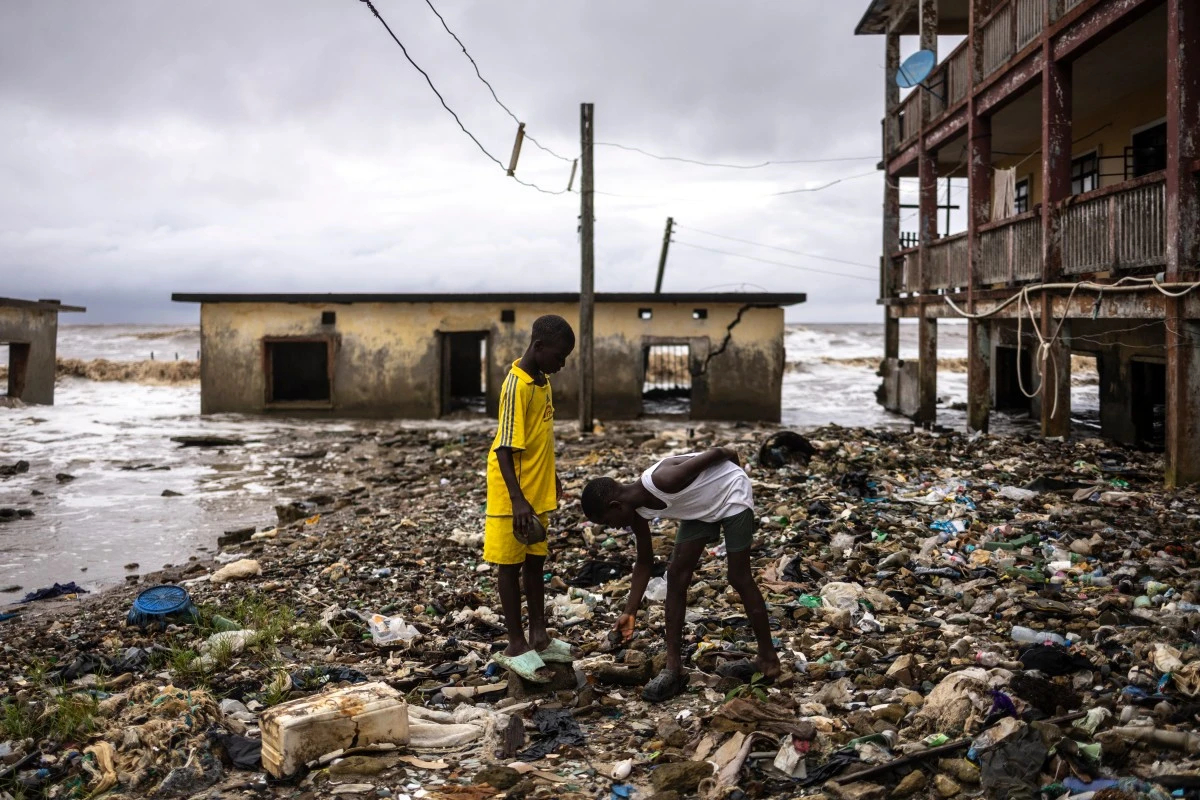
Children are particularly vulnerable because their developing bodies are less able to withstand extreme weather, Save the Children said. Climate disasters also disrupt schooling and health care, with consequences that can persist long after an emergency ends.
Wildfire smoke, for example, can contribute to pneumonia and other respiratory illnesses, while school closures during heat waves can increase the risk of children dropping out, particularly girls.
Western Europe had the highest proportion of children exposed to severe weather events in 2026, with one in two affected, according to the analysis. A succession of record-breaking heat waves made it the region’s hottest summer on record.
East Asia and the Pacific, however, had the largest number of children exposed to severe climate disasters: an average of 75 million a year, or one in seven children in the region, since 2017.
For young people in Pacific Island nations, where rising seas and intense storms threaten communities, the findings underscore demands for a greater say in climate negotiations.
“It’s important for the perspectives of young people from the Pacific and Australia to be heard at pre-COP and COP because these are the spaces where decisions about climate change are being made and decisions about our futures and the world that we are going to inherit,” said Haruka, 17, a climate campaigner and NextGen Youth Ambassador from Vanuatu.
“We bear the brunt of climate change and it’s important for us to be heard and for people to recognise that young people are being impacted by this issue.”
Save the Children urged governments at COP31 to put children’s rights, needs and views at the center of climate policy and protect their access to education when disasters strike.
“Every flood, drought, heatwave and storm steals more of their safety, education, health and hope for the future, and these disasters are only getting more severe,” said Shruti Agarwal, senior adviser on climate change and sustainable economies at Save the Children UK.
“Yet leaders continue to make decisions that fail to match the scale and urgency of this crisis.”
The organization called for an urgent phaseout of fossil fuel use and subsidies in line with the Paris Agreement’s goal of limiting global warming to 1.5 C.
It also urged wealthy countries and those responsible for the largest historical emissions to provide climate financing to lower-income nations that prioritizes children’s rights and climate justice.
“Every delay puts more children at risk,” Agarwal said. “Children cannot wait.”