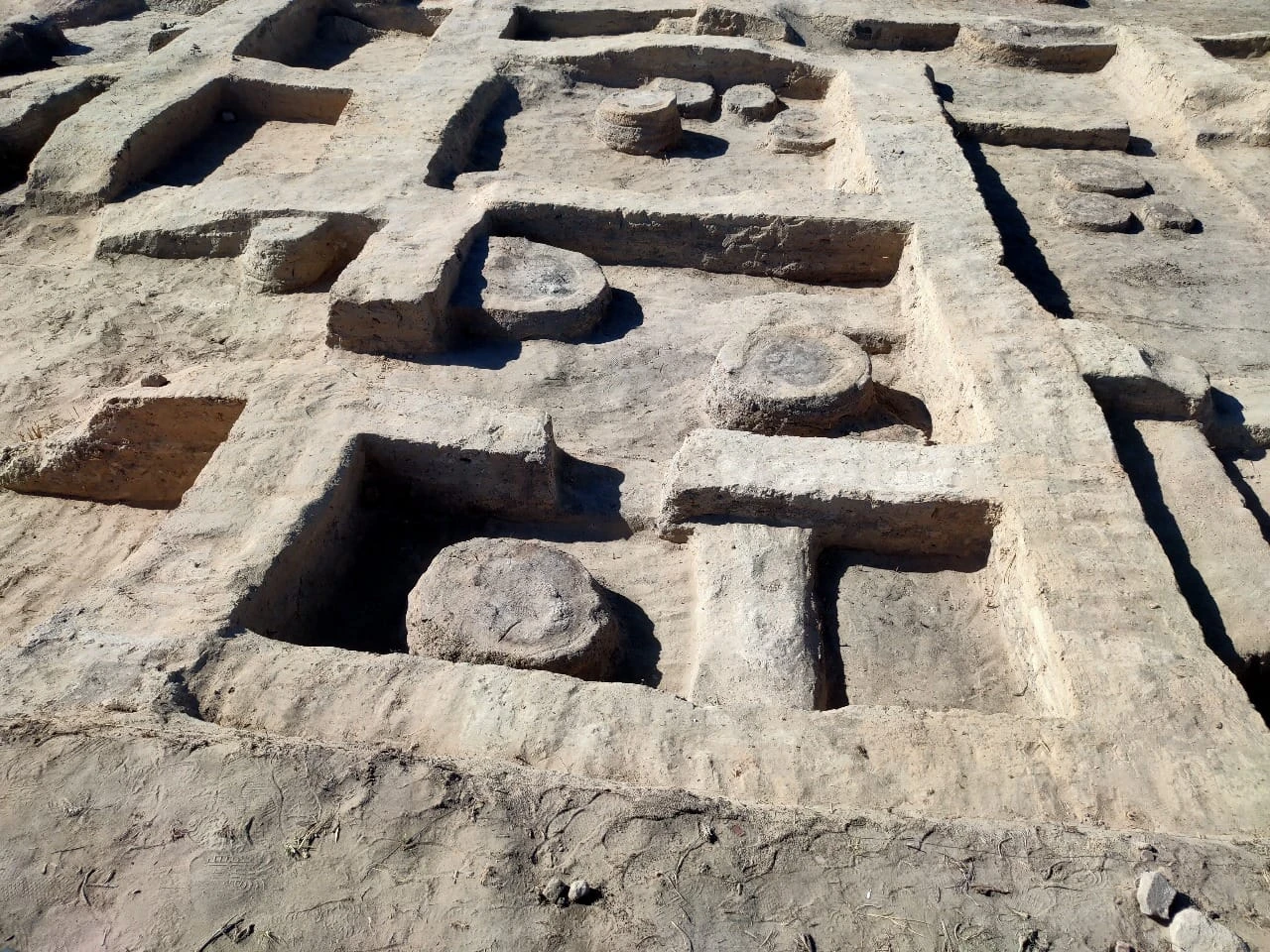
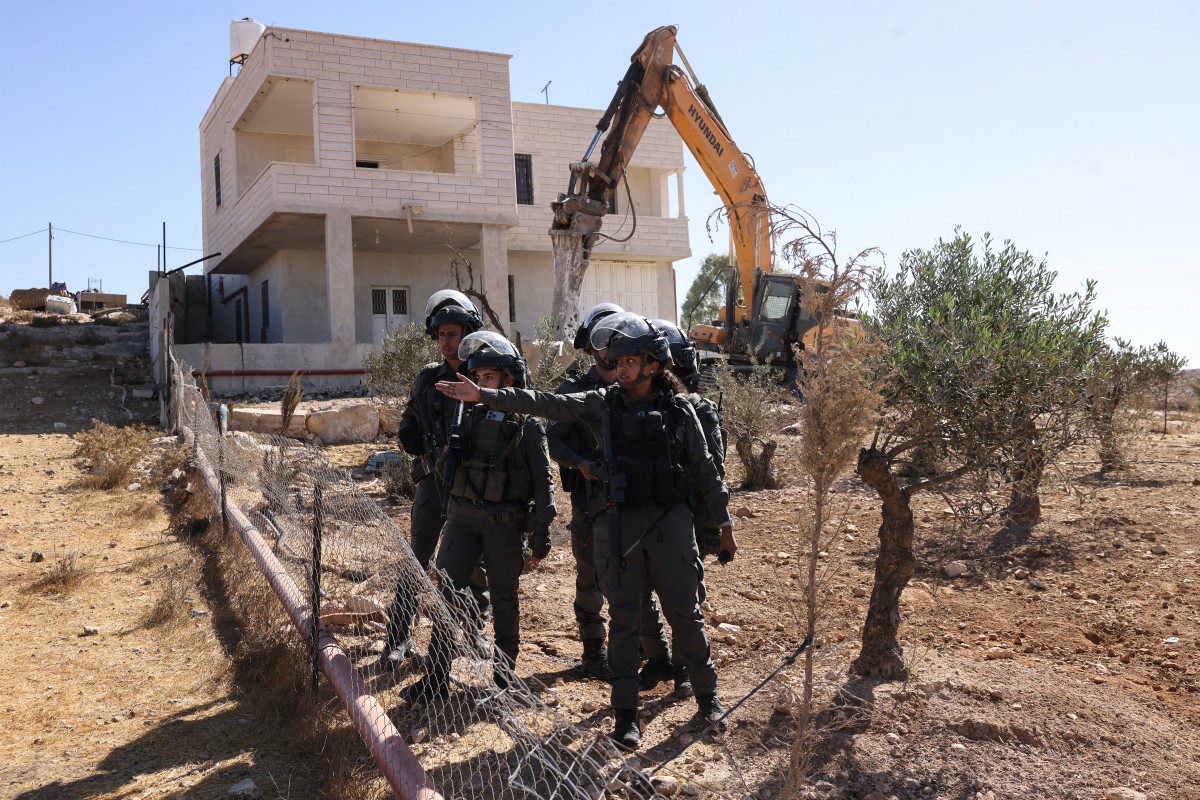
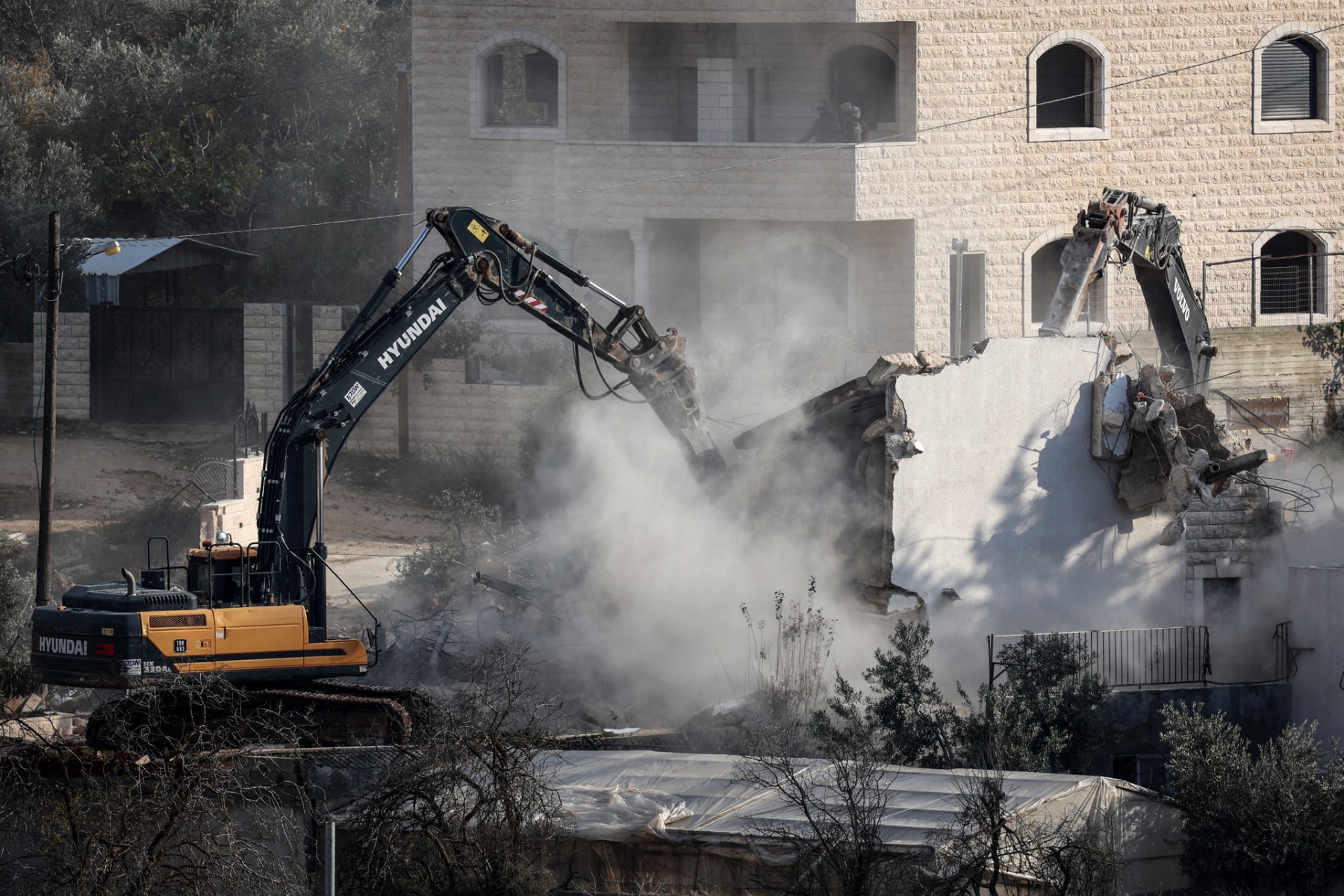
- Five homes belonging to Du’ais and his sons, as well as a community mosque, were demolished in Abu El-Ajaj Bedouin community near Al-Jiftlik village, north of Jericho
- Dozens of other families in Abu El-Ajaj face the threat of losing their homes
DUBAI: When Israeli bulldozers demolished the homes of four Palestinian Bedouin families in the occupied West Bank’s Jordan Valley on Wednesday, Osama Omar Du’ais had one immediate request for humanitarian organizations; tents to keep his family on the land.
“We asked for tents we can live in before Israeli settlers would come and erect flags where our houses were demolished,” Du’ais told Arab News.
“We have nowhere to go. Nowhere is safe in the West Bank.”
Five homes belonging to Du’ais and his sons, as well as a community mosque, were demolished in Abu El-Ajaj Bedouin community near Al-Jiftlik village, north of Jericho, according to the Palestinian news agency WAFA. Residents said two bread ovens were also destroyed.
The demolitions displaced four families comprising 23 people, with dozens of other families in Abu El-Ajaj facing the threat of losing their homes.
Medical Aid for Palestinians warned earlier this month that 36 families in the community were at risk of displacement after the Israeli Civil Administration issued more than 40 demolition orders against homes and community structures.
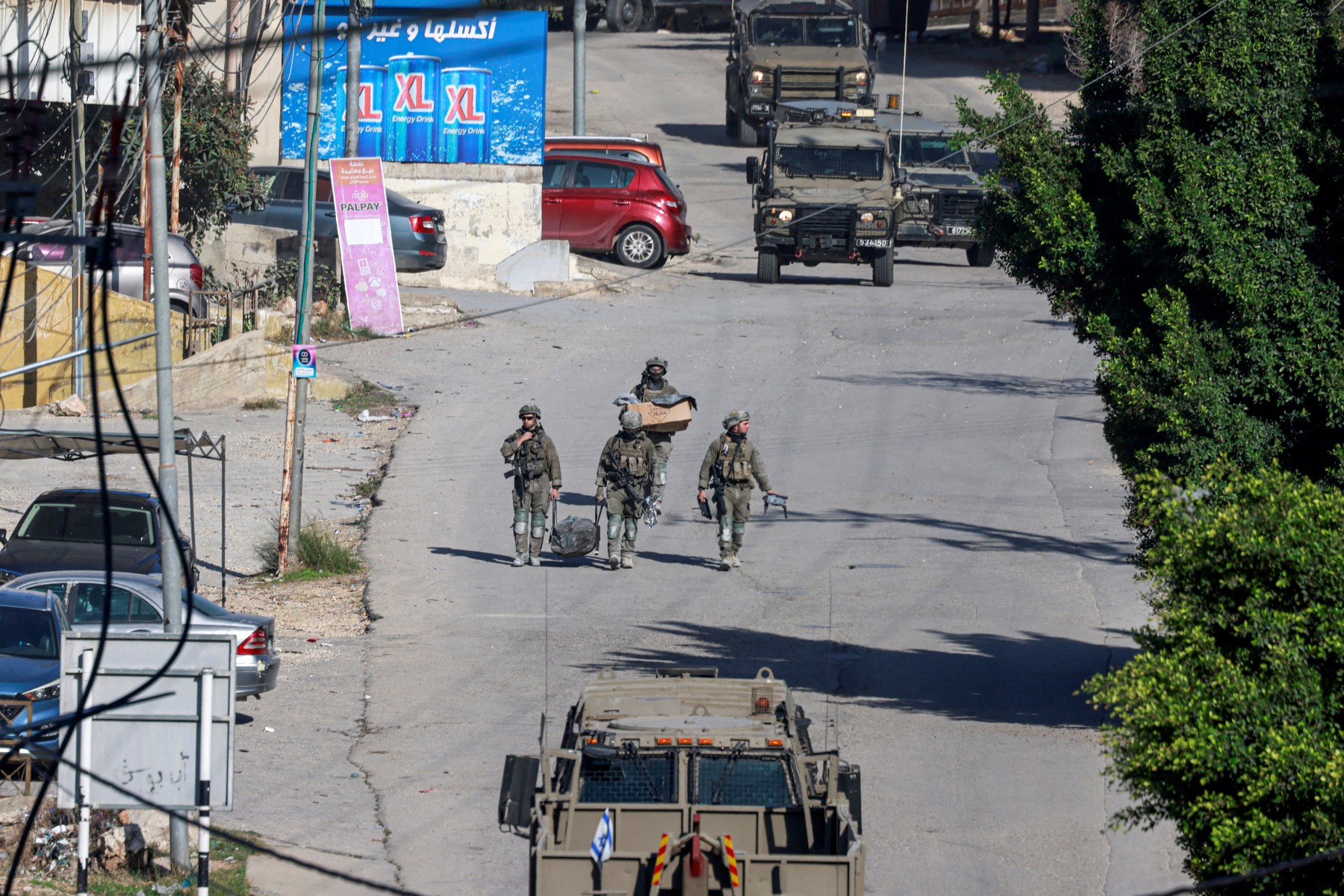
Residents told Arab News that Israeli forces, accompanied by armed settlers, notified the rest of the community that demolitions would continue after the Jewish holidays.
For Du’ais, Wednesday’s demolitions raised an additional fear that losing the family’s homes could eventually mean losing the land itself.
He said a plot that his uncle used to store agricultural equipment had previously been razed before settlers moved onto it, erected Israeli flags and established a presence there.
“Settlers razed the land, took it over and erected flags. They even set up seating there, where they gather and celebrate at night,” Du’ais said.
“We don’t want the same to happen to our land.”
Du’ais said the family received an evacuation notice and restrictions on construction from the Israeli Civil Administration on Aug. 12. Their lawyer challenged the measures in court and reassured them that the demolition would not go ahead.
However, he was “surprised” to see Israeli authorities arriving with bulldozers at around 7:30 a.m. to demolish the family homes and the community prayer space.
When representatives of the International Committee of the Red Cross arrived to the site by noon, he said he asked for tents to shelter his parents, brothers and their families.
“This is our land and we will not leave,” he said.
Surrounded by seven Israeli settlements, including one about 50 meters away, Abu Al-Ejaj community has faced mounting pressure from nearby settlers as well as Israeli restrictions on Palestinian construction and movement.
Du’ais said settler attacks and movement restrictions had intensified since the Gaza war began on Oct. 7, 2023, leaving the herding communities, which relies heavily on livestock and agriculture as a main source of income, particularly vulnerable when access to grazing land, animal feed and agricultural supplies is restricted.
“Israeli forces have imposed many restrictions on us. They sometimes stop vehicles carrying animal feed and agricultural supplies from reaching us and prevent us from using the main roads,” he said.
“All our movements are restricted.”
Local residents and humanitarian organizations said settlers regularly clashed with and physically assaulted villagers, stole or killed livestock, damaged animal shelters and water infrastructure, burned crops and agricultural land, restricted access to grazing areas, and subjected residents to threats and harassment.
Armed settlers had also repeatedly raided the community alongside Israeli forces, Abu El-Ajaj residents said.
The pressure has already driven some families out. In February, 10 Bedouin households comprising 57 people began relocating from Abu El-Ajaj following escalating settler violence, including nighttime incursions, arson, livestock theft and direct threats, according to the UN.
The Israeli demolitions come amid a worsening displacement crisis across the Jordan Valley, a fertile agricultural region along the West Bank’s eastern flank, where Palestinian farming and herding communities have faced mounting pressure from settler violence, settlement expansion and Israeli restrictions since the Gaza war began on Oct. 7, 2023.
More than 90 percent of the Jordan Valley falls within Area C, where Israel retains civil and security control under the 1995 Oslo Accords. Building permits are rarely granted to Palestinian communities there, leaving their homes, animal shelters, water systems and agricultural structures frequently subject to demolition orders for lacking Israeli-issued permits.
The UN said the Jordan Valley region had accounted for the majority of displacement in the occupied West Bank since January 2023, as demolitions, compounded by rapid settlement expansion, surging settler violence and movement restrictions have continued to drive Palestinians off their land.
By March 27, more than 68 percent of the 1,697 Palestinians displaced across the West Bank by settler violence and access restrictions since the start of 2026 were from Jordan Valley communities, primarily Bedouin and herding groups, according to the UN. In less than three months, the overall number displaced had already surpassed the total recorded for all of 2025.
Abu El-Ajaj has endured repeated demolitions for more than a decade.
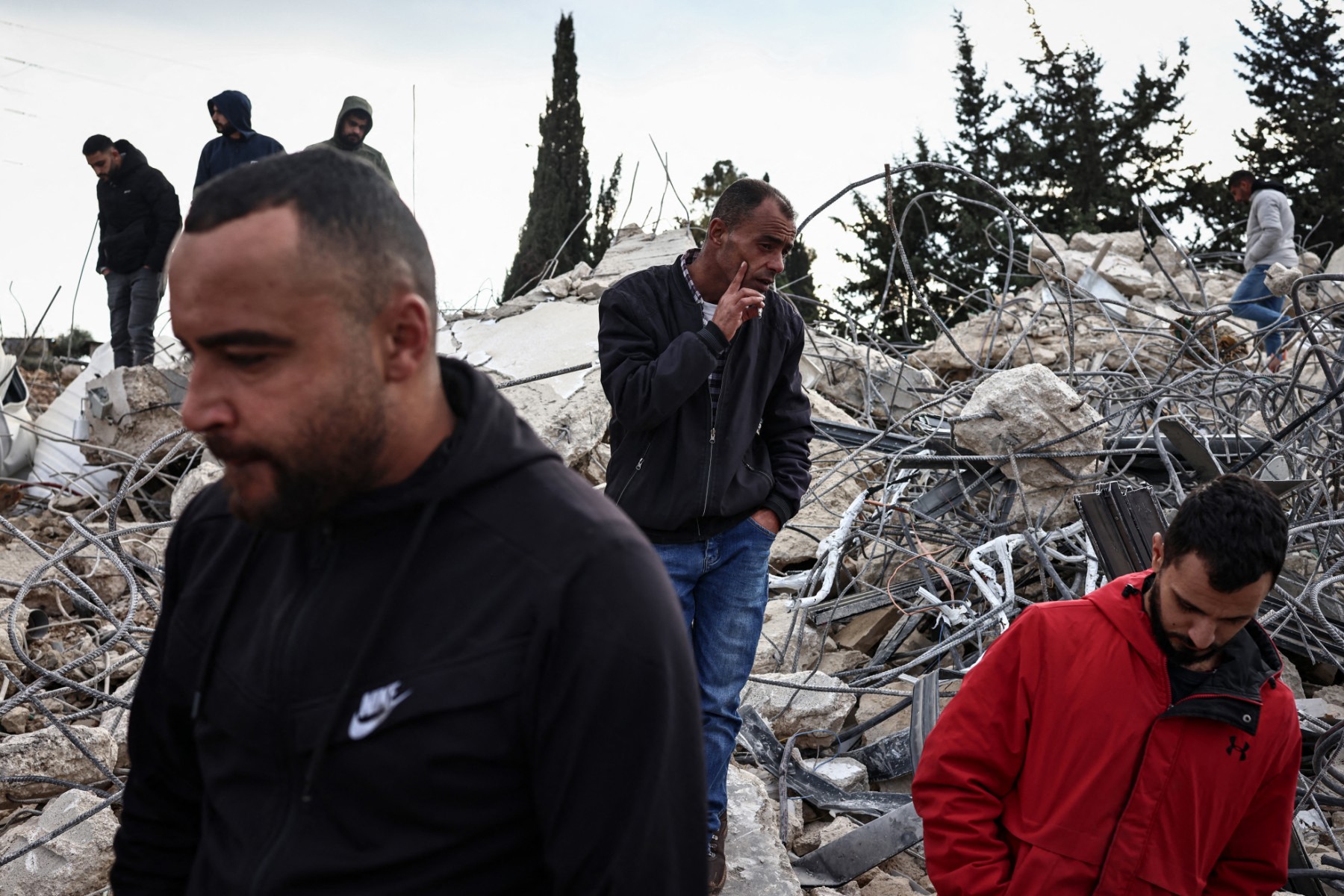
In 2014, the Du’ais family was among 13 families — comprising 71 people — whose homes and livestock shelters were demolished in Al-Jiftlik.
“Israeli authorities razed lands belonging to my father and uncle in 2014, but we rebuilt the animal barns and our homes, and we stayed,” Du’ais told Arab News.
A Palestinian land-monitoring organization documented 200 structures demolished in the community between 2010 and early 2025, while Palestinian records show another home belonging to a member of the Du’ais family was demolished in May this year on the grounds that it lacked a permit.
MAP warned that displacement in Abu Al-Ajaj could also sever residents’ access to healthcare provided through its mobile clinics.
“When families are driven from their homes and communities are wiped off the map, the healthcare services MAP provides through its mobile clinics can no longer reach them,” the organization said in a statement.
For residents whose homes remain standing, Wednesday’s demolitions have deepened fears that the rest of the community could be next.
Fahd Du’ais, another Abu Al-Ajaj resident, said families feared the destruction of the five homes marked the beginning of a wider operation.
“The settlers have been attempting to push us out every single day, and the Israeli forces are colluding with them,” he said.
“We are afraid that this is just the start, and that they will come back again to erase the entire community.”