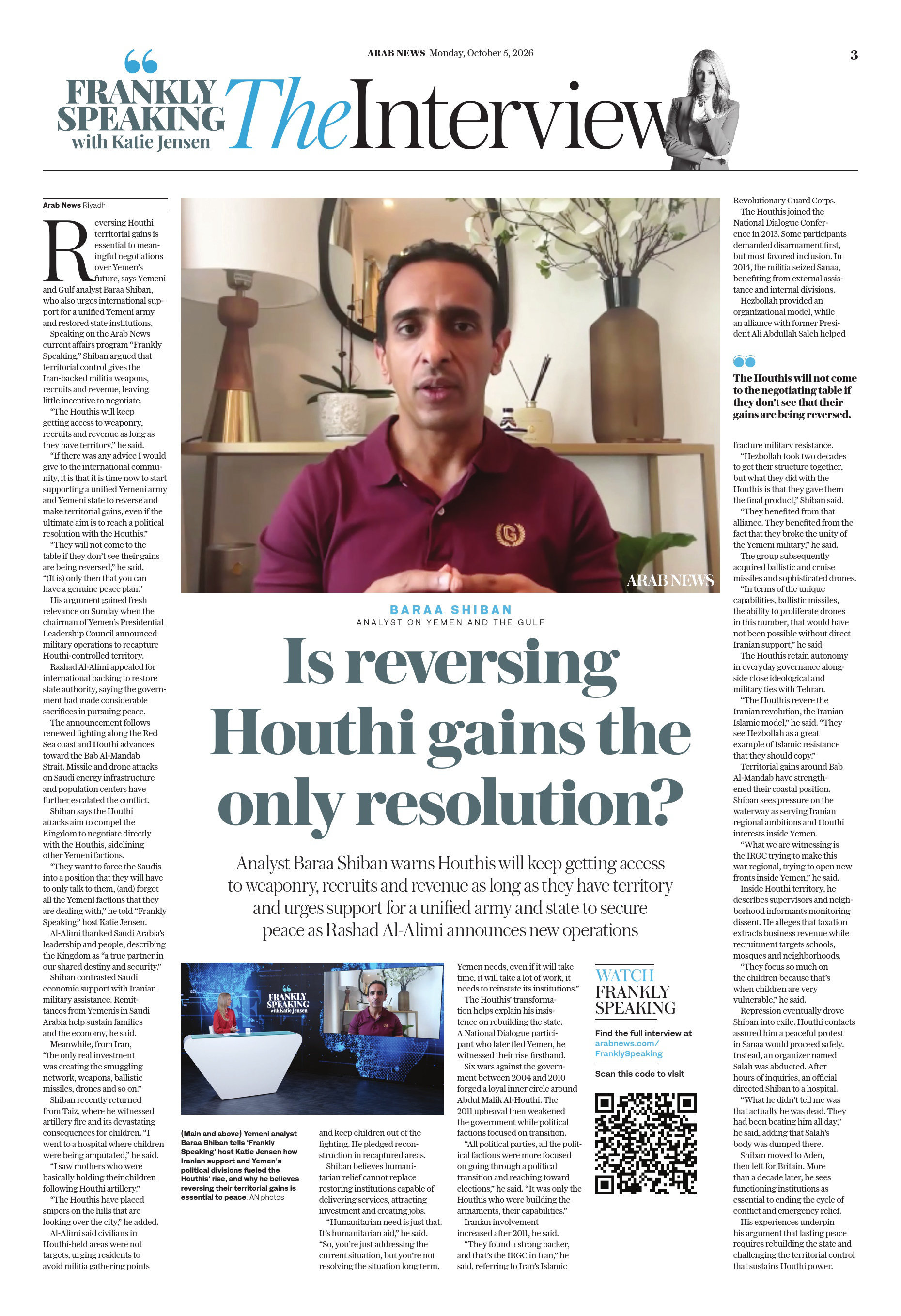
- Yemen and Gulf analyst Baraa Shiban says rolling back Houthi territorial gains and supporting a unified Yemeni army and Yemeni state are essential
- His call comes as Presidential Leadership Council chief Rashad Al-Alimi announces military operations to reclaim territory and restore state authority
RIYADH: Reversing Houthi territorial gains is essential to meaningful negotiations over Yemen’s future, according to a prominent analyst on Yemen and the Gulf, who also urges the international community to support a unified Yemeni army and restore state institutions.
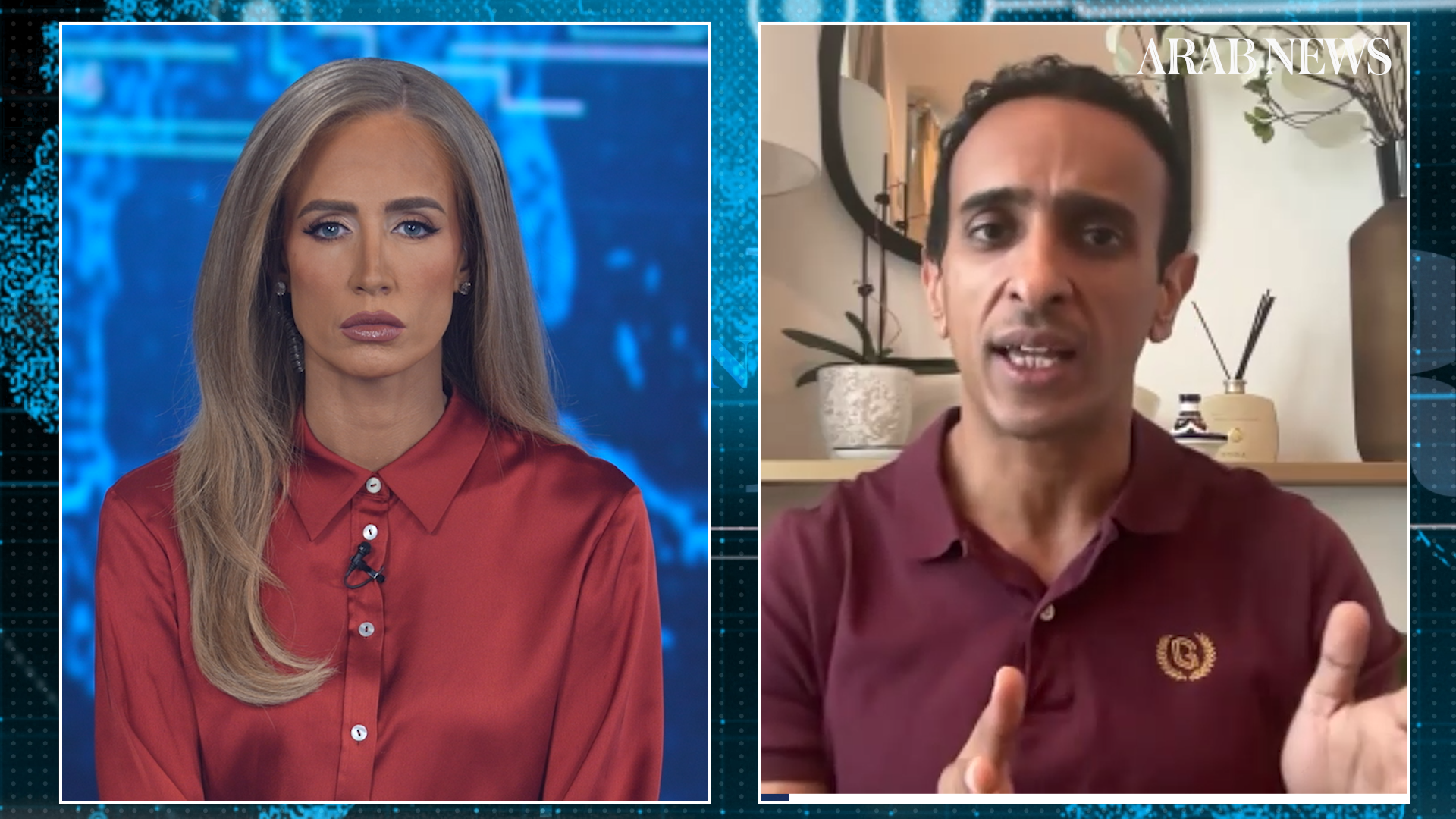
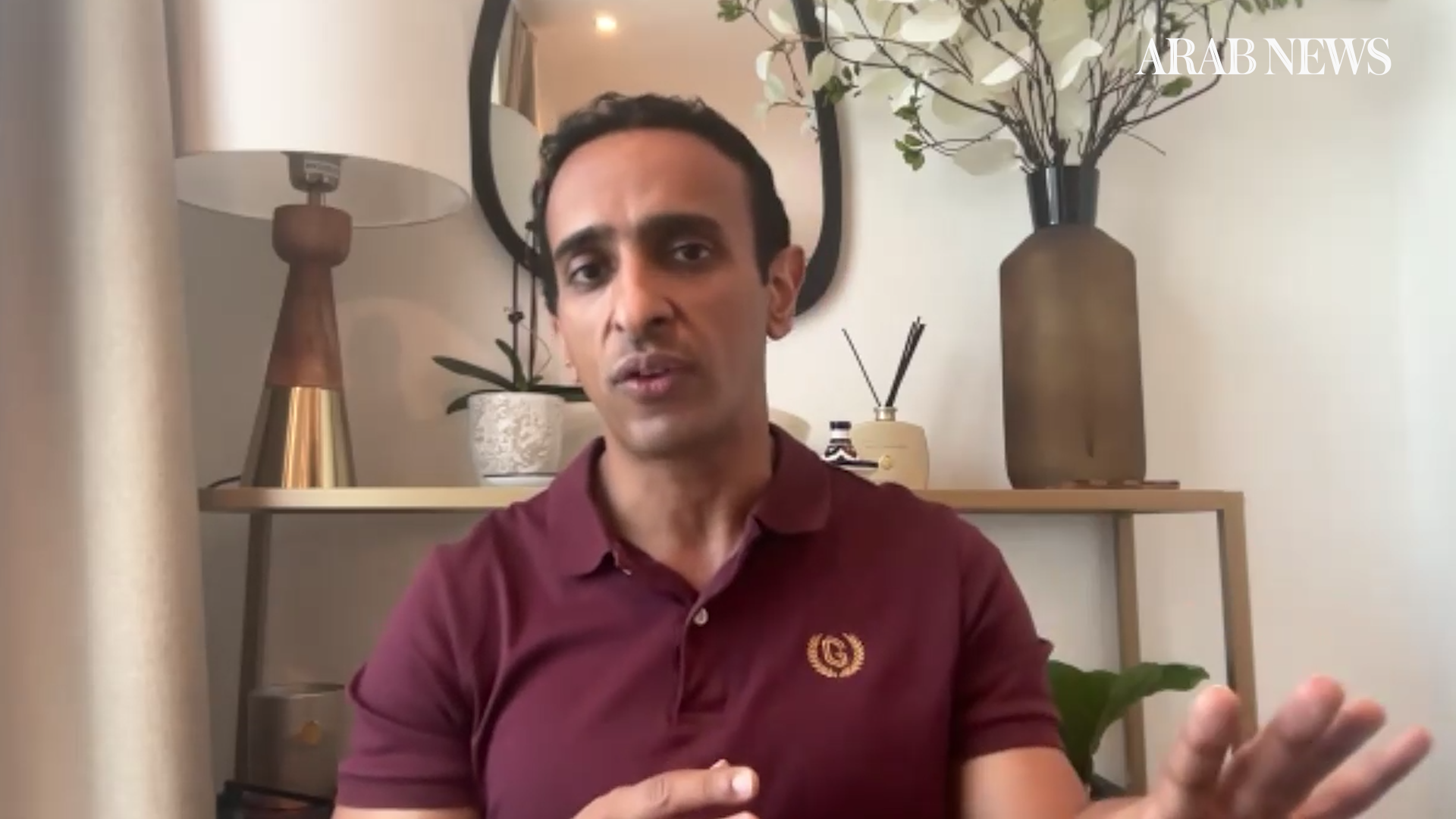
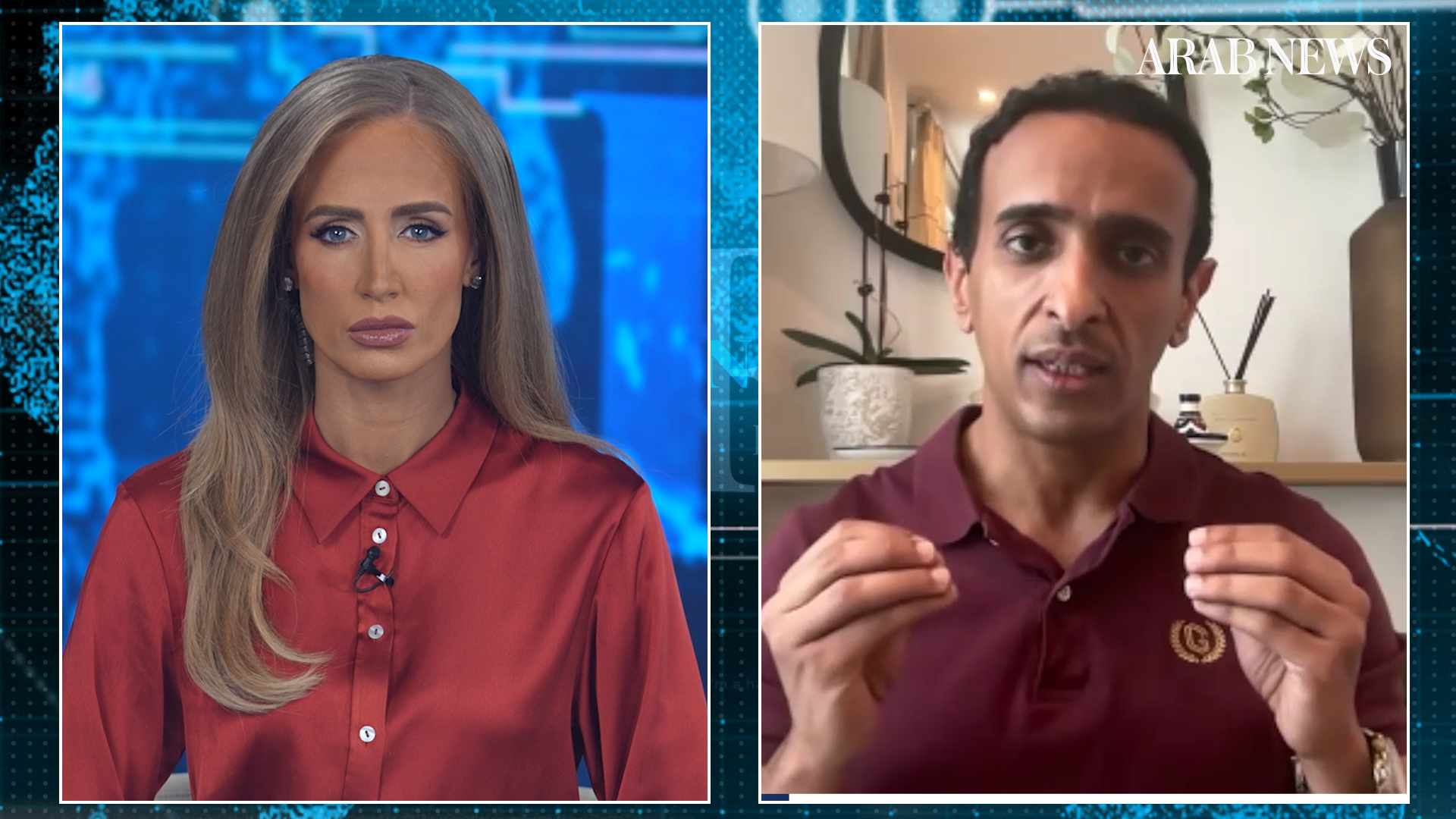
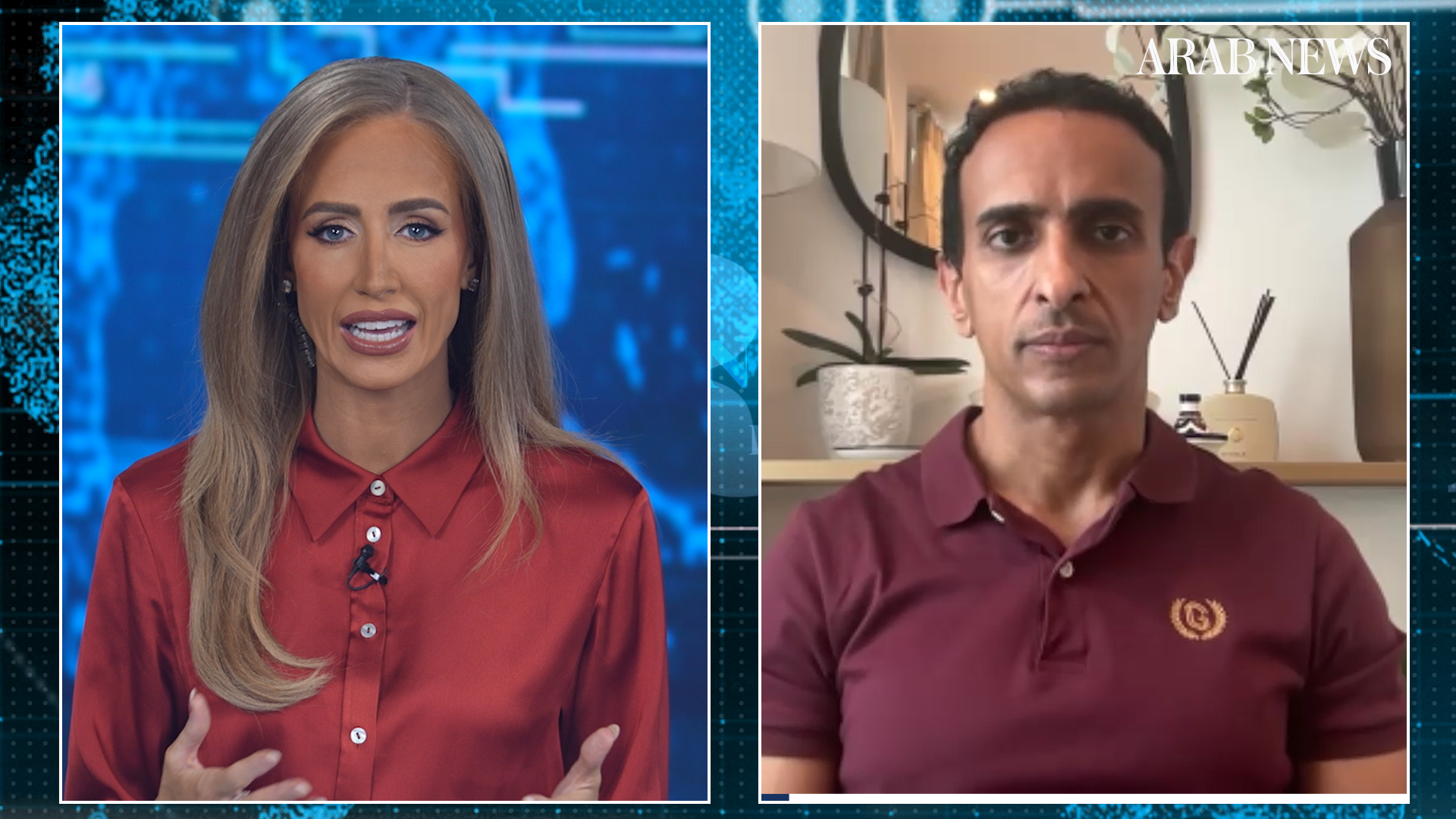
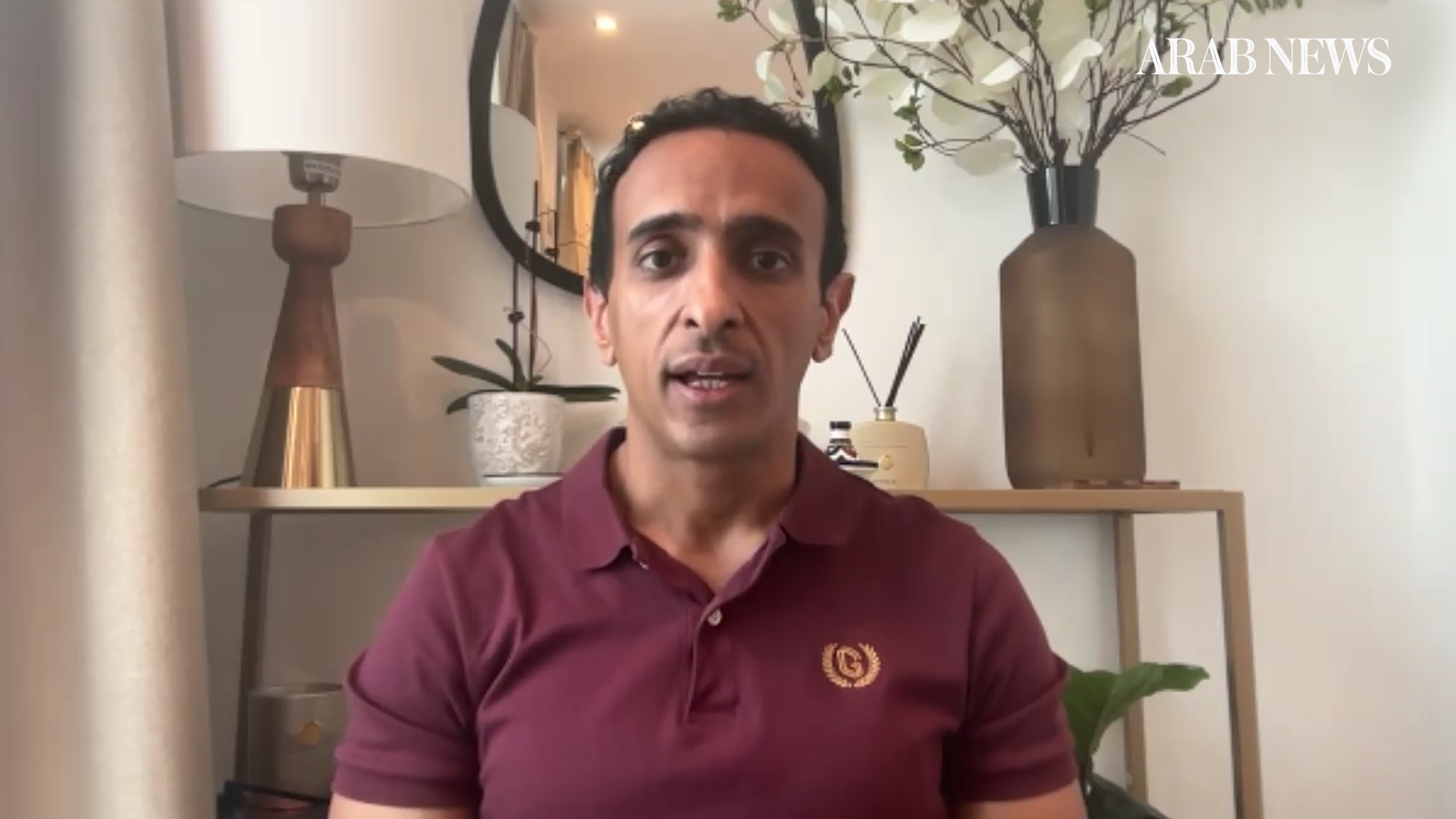
Speaking on the Arab News current affairs program “Frankly Speaking,” Baraa Shiban argued that the Iran-backed militia would have little incentive to negotiate a lasting settlement while its control of territory continued to provide weapons, recruits and revenue.
“The Houthis will keep getting access to weaponry, recruits and revenue as long as they have territory,” he said.
“If there was any advice I would give to the international community, it is that it is time now to start supporting a unified Yemeni army and Yemeni state to reverse and make territorial gains, even if the ultimate aim is to reach a political resolution with the Houthis.”
For Shiban, military pressure and a political settlement are closely connected: The Houthis must believe their advances are being reversed before they will have a serious incentive to negotiate.
“They will not come to the table if they don’t see their gains are being reversed,” he said. “(It is) only then that you can have a genuine peace plan.”
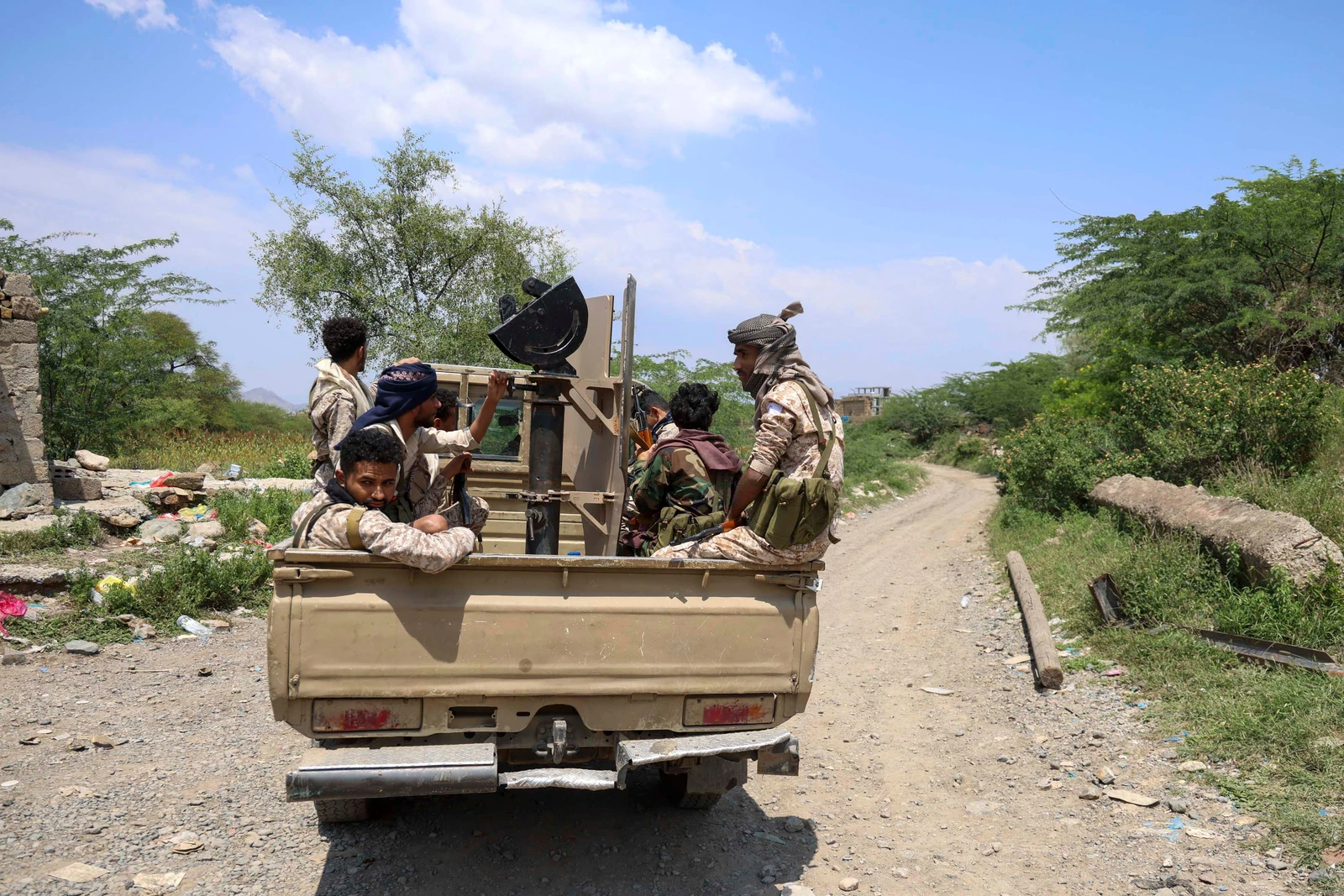
His argument has acquired fresh relevance following Sunday’s announcement by the chairman of Yemen’s Presidential Leadership Council of military operations to recapture territory controlled by the Houthis.
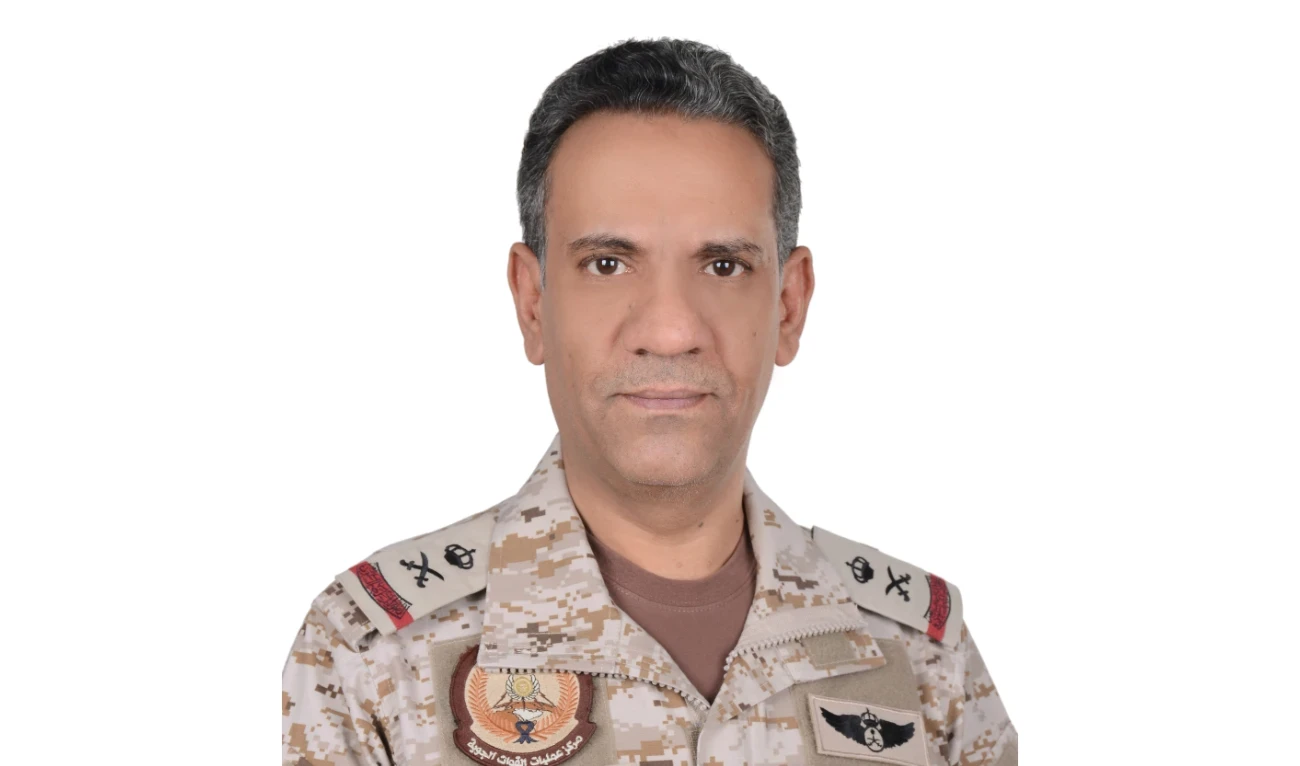
Rashad Mohammed Al-Alimi presented the campaign as an effort to restore state authority and appealed for international backing, saying the government had made considerable sacrifices in pursuing peace.
The announcement comes amid renewed fighting that threatens to reshape the conflict after years of relative stalemate. The Houthis’ offensive along the Red Sea coast and their advance toward the Bab Al-Mandab Strait have raised the stakes not just for Yemen but the entire international community.
The escalation has also seen the Houthis intensify their missile and drone attacks on energy infrastructure and population centers in Saudi Arabia, drawing a chorus of Arab and global condemnations.
Shiban says the attacks are intended not simply to strike Saudi Arabia militarily, but to change the political equation around Yemen by pushing the Kingdom into dealing directly with the Houthis while sidelining other Yemeni factions.
“They want to force the Saudis into a position that they will have to only talk to them, (and) forget all the Yemeni factions that they are dealing with,” he told “Frankly Speaking” host Katie Jensen.
He argues that the Houthis view Yemen’s place in the region through the prism of the “axis of resistance,” placing Saudi Arabia at the center of their regional calculations.
Al-Alimi’s address on Sunday also underscored the internationally recognized Yemeni government’s relationship with Riyadh. He thanked Saudi Arabia’s leadership and people, describing the Kingdom as “a true partner in our shared destiny and security.”
Saudi Arabia’s economic relationship with Yemen, Shiban added, stands in contrast to the Houthis’ relationship with Iran.
“One of the reasons why the Yemeni economy still remains afloat is because of the remittances that are being sent from those families into Yemen,” he said, referring to Yemenis living in Saudi Arabia.
Meanwhile, from Iran, “the only real investment was creating the smuggling network, weapons, ballistic missiles, drones and so on.”
The consequences of the conflict remain deeply personal for Shiban, who recently returned from Taiz with a firsthand account of artillery fire, children being killed and Houthi positions overlooking the city.
“I went to a hospital where children were being amputated,” he told Jensen. “I saw mothers who were basically holding their children following Houthi artillery.”
Taiz, he said, has endured years of pressure from Houthi forces occupying the surrounding heights.
“The Houthis have placed snipers on the hills that are looking over the city,” he said.
In announcing the operations, Al-Alimi made it clear that civilians in Houthi-held areas are not targets. He urged residents to avoid militia gathering points and keep children out of the fighting.
He also pledged recovery and reconstruction in areas retaken by government forces, framing civilian security as the measure of the campaign’s success.
For Shiban, humanitarian assistance is essential, but it cannot substitute for rebuilding the institutions needed to end Yemen’s dependence on emergency relief.
“Humanitarian need is just that. It’s humanitarian aid,” he said. “So, you’re just addressing the current situation, but you’re not resolving the situation long term. Yemen needs, even if it will take time, it will take a lot of work, it needs to reinstate its institutions.”
Understanding how the Houthis acquired their present power, he argues, is central to understanding what a lasting settlement would require.
The militia now operating along Yemen’s western coast bears little resemblance to the movement that emerged from the mountains of northern Yemen more than two decades ago.
Shiban, who participated in Yemen’s National Dialogue and later left the country after speaking out against the Houthis, witnessed much of that transformation firsthand.
The Houthis fought six rounds of war against the Yemeni government between 2004 and 2010. Those conflicts helped shape the movement’s leadership and created a loyal inner circle around its leader, Abdul Malik Al-Houthi.
“It created that circle of loyalists, trustees, who have fought with him through that period, from 2004 until 2010,” Shiban said.
Then came the Arab uprisings. The upheaval in 2011 weakened the central government and turned the attention of Yemen’s political factions toward managing a difficult transition.
Shiban said the Houthis used that period to build their military capabilities while much of the political establishment focused on elections and negotiations.
“All political parties, all the political factions were more focused on going through a political transition and reaching toward elections,” he said. “It was only the Houthis who were building the armaments, their capabilities.”
He also dated a major increase in Iranian involvement to the period after 2011.
“They found a strong backer, and that’s the IRGC in Iran,” he said, referring to Iran’s Islamic Revolutionary Guard Corps.
The Houthis also entered Yemen’s formal political process, joining the National Dialogue Conference in 2013. Shiban was among its participants.
Some wanted the Houthis to surrender their weapons before entering the political process, he said. But the majority favored inclusion, not wishing “to put hurdles in front of the political discussions.”
The political process ultimately gave way to a military takeover.
The Houthis seized Sanaa in 2014 amid deep divisions within Yemen’s political and military establishment. Shiban attributes the speed of the takeover to Houthi organization, external assistance and the country’s internal fractures.
He also pointed to Hezbollah’s involvement in Yemen and its role in developing the Houthis’ organizational capabilities.
“Hezbollah took two decades to get their structure together, but what they did with the Houthis is that they gave them the final product,” he said.
The Houthis further benefited from an unlikely alliance with former President Ali Abdullah Saleh.
“They benefited from that alliance. They benefited from the fact that they broke the unity of the Yemeni military,” Shiban said.
For him, the militia’s takeover of Sanaa was a defining moment.
“It was a devastating moment for the majority of Yemenis to see their capital being literally run by a militia overnight.”
The seizure of the capital was followed by a dramatic expansion in the Houthis’ military reach. The group that had once fought from the mountains of Saada acquired ballistic and cruise missiles, as well as sophisticated drones.
Shiban is unequivocal about Iran’s role in that transformation.
“In terms of the unique capabilities, ballistic missiles, the ability to proliferate drones in this number, that would have not been possible without direct Iranian support,” he said.
“It would be impossible for the Houthis to achieve that on their own.”
The Houthis retain autonomy over day-to-day affairs in the areas they control, he said, alongside a close ideological and military relationship with Tehran.
“The Houthis revere the Iranian revolution, the Iranian Islamic model,” he said. “They see Hezbollah as a great example of Islamic resistance that they should copy.”
The Red Sea has become another front in that broader regional contest.
The seizure of territory and islands around the Bab Al-Mandab has given the Houthis a more strategically significant position along Yemen’s coast.
Shiban argues that pressure around the waterway serves two purposes: It gives Iran additional leverage while allowing the Houthis to strengthen their position inside Yemen.
“What we are witnessing is the IRGC trying to make this war regional, trying to open new fronts inside Yemen,” he said.
But the militia’s power is not measured only in weapons and territory. Shiban has spent years documenting what he describes as the mechanics of Houthi rule — a parallel network of “supervisors” and neighborhood informants monitoring dissent.
“Their role is to basically monitor public employees, anyone who’s showing signs of dissent,” he said.
He also alleges that supervisors use taxation to extract revenue from businesses, while recruitment campaigns target schools, mosques and neighborhoods.
“They focus so much on the children because that’s when children are very vulnerable,” he said.
For Shiban, the experience of dealing with the Houthis after their takeover eventually forced him to leave Yemen.
He had remained in contact with Houthi figures he knew from the National Dialogue. When activists organized a peaceful protest in Sanaa, he said, he received assurances that the demonstration would pass without incident.
Instead, one of the organizers, a man named Salah, was abducted.
Shiban spent hours trying to find him, repeatedly contacting Houthi officials. Eventually, a senior official told him Salah was in hospital.
“What he didn’t tell me was that actually he was dead. They had been beating him all day,” he said, adding that Salah’s body was later dumped at the hospital.
The incident changed his understanding of the movement he had once dealt with across a negotiating table.
“I realized we’re dealing with a different group,” he said. “This is a different ball game. And that’s the one incident that just made me (conclude) I have to leave.”
He moved to Aden and soon left Yemen for the UK. More than a decade later, the conflict remains unresolved.
In Shiban’s telling, the Houthis’ rise is the story of a movement that survived successive wars, exploited a troubled political transition and benefited from divisions within Yemen, while acquiring the external support needed to extend its reach.
That history underpins his argument for a unified Yemeni army and functioning state institutions. A lasting settlement, he believes, requires changing the conditions that have allowed the militia to turn territorial control into military and political power.