- Ahmed Al-Alwani, 57, found dead in rented apartment
- Investigators examining whether he was lured to Lebanese capital
BEIRUT: Lebanese security and judicial investigations into the killing of former Iraqi lawmaker Ahmed Suleiman Al-Alwani are focusing on the possibility that he was deliberately lured to Beirut and that political motives may have been behind his murder.
Al-Alwani’s body was discovered in an apartment in the Tariq Al-Jadideh neighborhood of the city, with preliminary findings indicating that the 57-year-old had been struck on the head before being strangled.
A judicial source told Arab News that investigators were not ruling out the possibility that the perpetrators were Iraqi rather than Syrian nationals.
Iraq’s Ambassador to Lebanon Mohammed Reda Al-Husseini said on Wednesday that the Iraqi Embassy was working to expedite DNA testing procedures to facilitate the repatriation of Al-Alwani’s body to Baghdad.
He said that the embassy was closely following investigations by Lebanese security agencies to establish the circumstances surrounding the killing and identify those responsible.
“We are awaiting what the investigations will reveal,” he said.
Al-Alwani’s media office described his death as a “premeditated assassination” and called on the Iraqi government to coordinate immediately with Lebanese authorities.
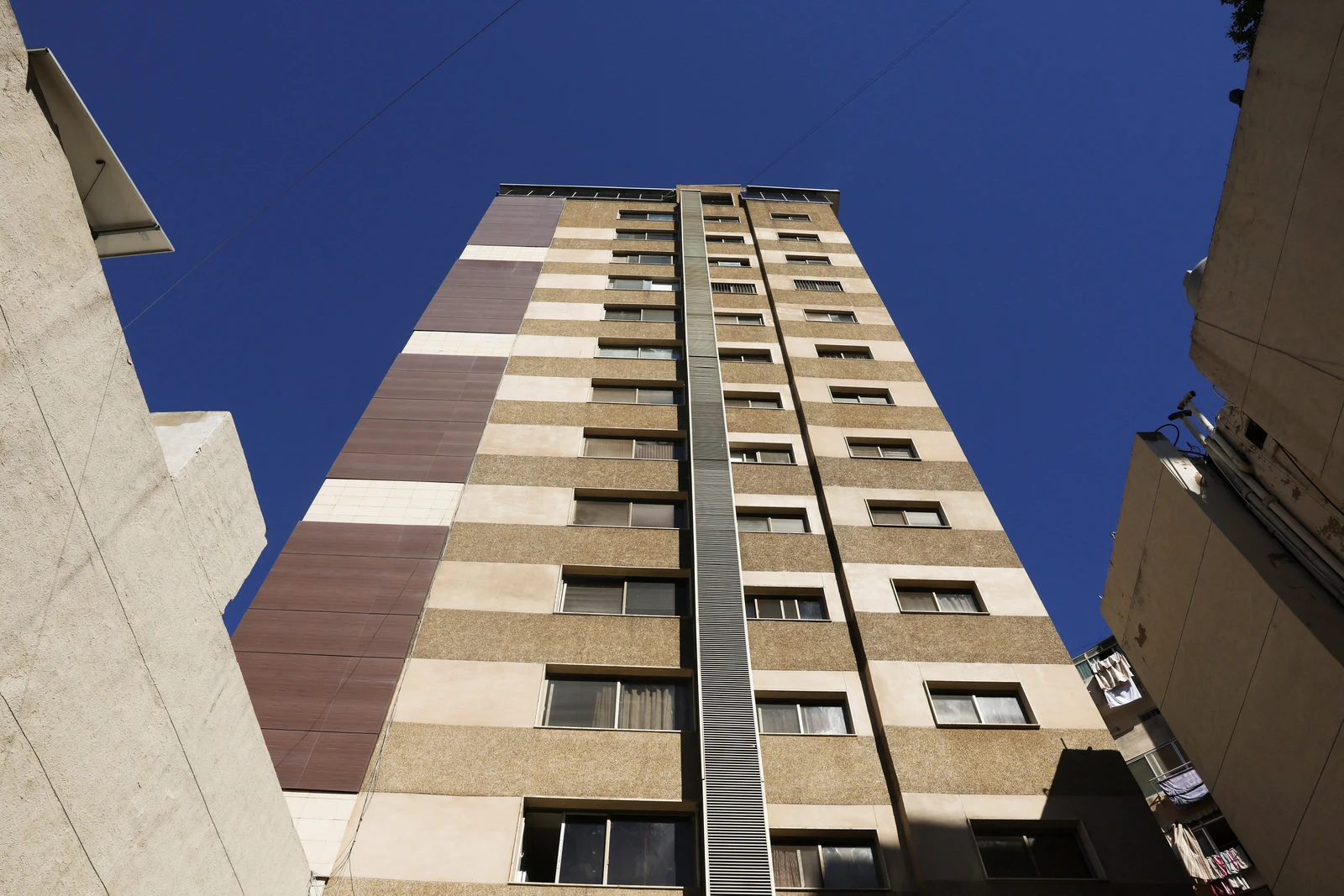
Suspicion has fallen on individuals who reportedly met Al-Alwani at Beirut’s Rafic Hariri International Airport following his arrival on Nov. 5 and accompanied him to an apartment in the Afif Al-Tibi area of Tariq Al-Jadideh.
Initial, unconfirmed reports suggested that three individuals were suspected of involvement in the killing. Subsequent information indicated that two people were under suspicion, while a third was believed to have been a taxi driver.
Lebanese security agencies have begun questioning individuals who were in contact with Al-Alwani and reviewing surveillance footage to track his movements from the time of his arrival in Beirut to the discovery of his body.
The apartment in which he was found had been rented for two days for $200. Communication with Al-Alwani reportedly ended on the third day after his arrival, when the real estate agent attempted to contact him to request an additional payment and extend the rental agreement.
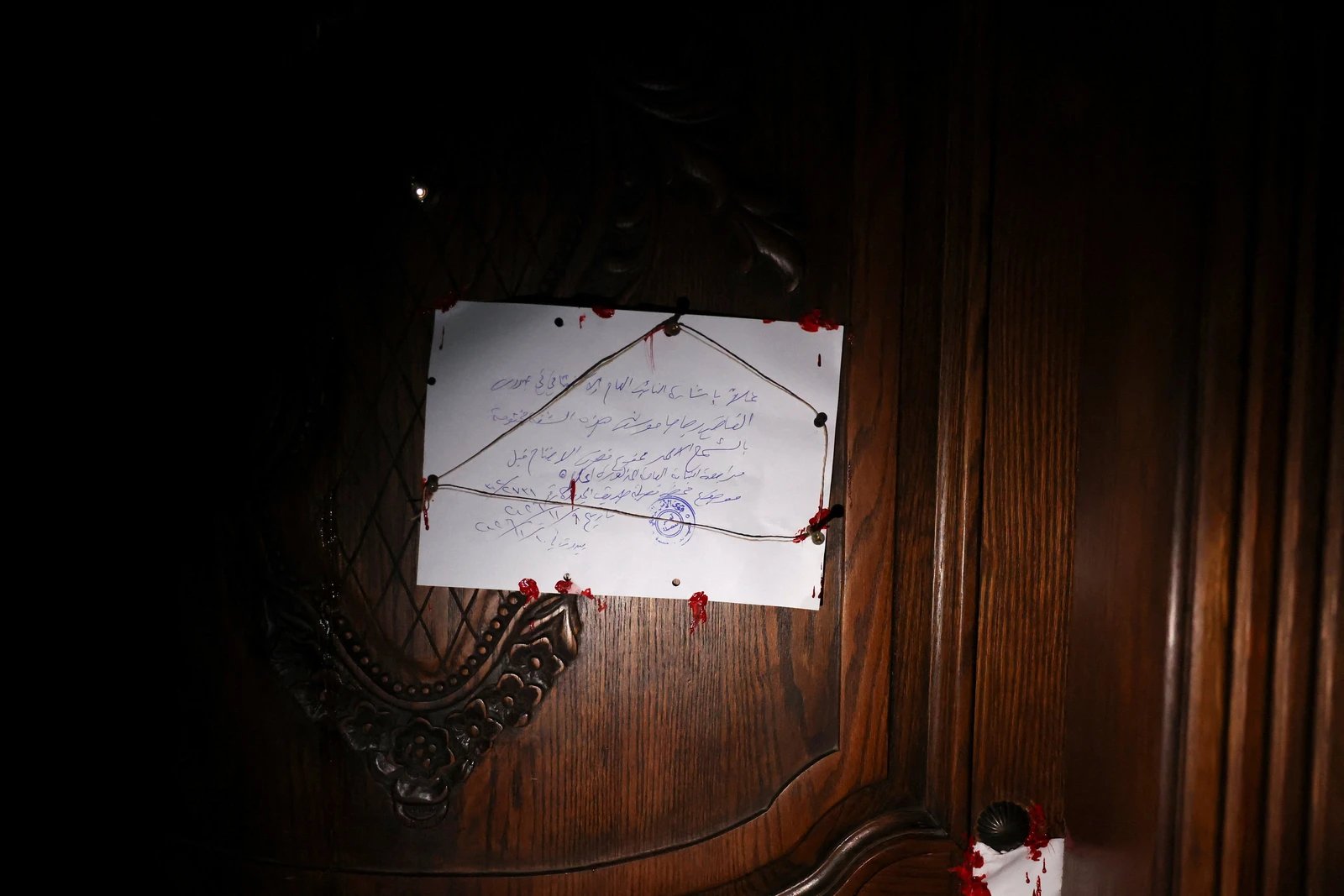
After receiving no response, the agent visited the building and went to the apartment on the 12th floor, where he noticed a foul odor. The smell led to the discovery of Al-Alwani’s body inside the bathroom.
The body was initially transferred to a hospital morgue while authorities worked to establish the deceased’s identity.
The Iraqi Embassy subsequently told Lebanese security agencies that Al-Alwani had been reported missing, prompting investigators to connect the unidentified body with the lawmaker.
Preliminary information also indicated that Al-Alwani’s family had received no ransom demands or requests for money following his disappearance.
The killing comes less than a week before Iraqi Prime Minister Ali Al-Zaidi is scheduled to visit Lebanon as part of a regional tour.
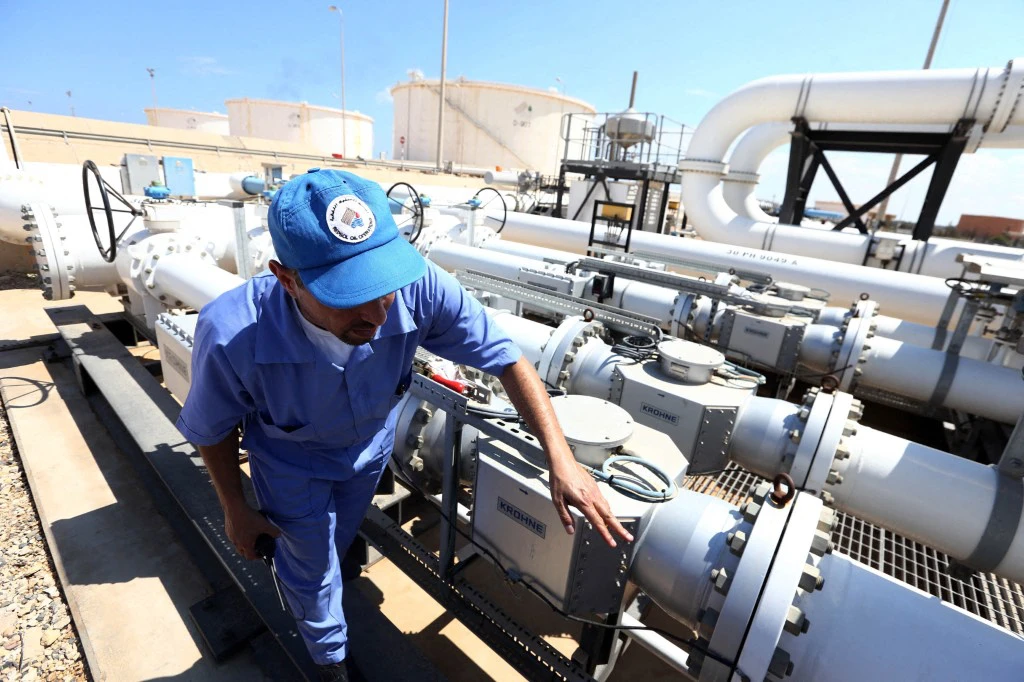
The visit is expected to address several outstanding issues between Baghdad and Beirut, including the potential reactivation of the Iraq Petroleum Co. pipeline extending to the northern Lebanese city of Tripoli.
Discussions are also expected to cover Lebanon’s outstanding debts related to Iraqi fuel supplies, alongside memorandums of understanding concerning the transfer of convicted prisoners and expanded trade and industrial cooperation between the two countries.
Lebanese Prime Minister Nawaf Salam condemned the killing and praised the efforts of the country’s judicial and security authorities to uncover the circumstances surrounding the crime and identify those responsible.
“Beirut cannot continue to be an arena for crime and lawlessness,” he said.
Protecting the security of the capital and ensuring the safety of everyone on Lebanese territory was a responsibility that could not be neglected, he said.
Al-Alwani, who represented Iraq’s western Anbar province, was widely known for his opposition to former Prime Minister Nouri Al-Maliki. He emerged as a prominent figure during the 2012-13 protests in Ramadi against Al-Maliki’s government, Iranian influence and armed factions operating in Iraq.
He was also known for his outspoken criticism of Hezbollah’s political leadership in Lebanon.
Al-Alwani was arrested in Ramadi in late 2013 following clashes during a security operation targeting his home. The confrontation resulted in the deaths of his brother and several other people.
He was subsequently sentenced to death, turning his case into an international human rights issue.
The Inter-Parliamentary Union took up his case, questioning the fairness of his trial and raising concerns over alleged violations of his parliamentary immunity and reports that he had been subjected to torture.
After spending more than 11 years behind bars, Al-Alwani was released following a decision to acquit him. He subsequently divided his time between Erbil and trips abroad.