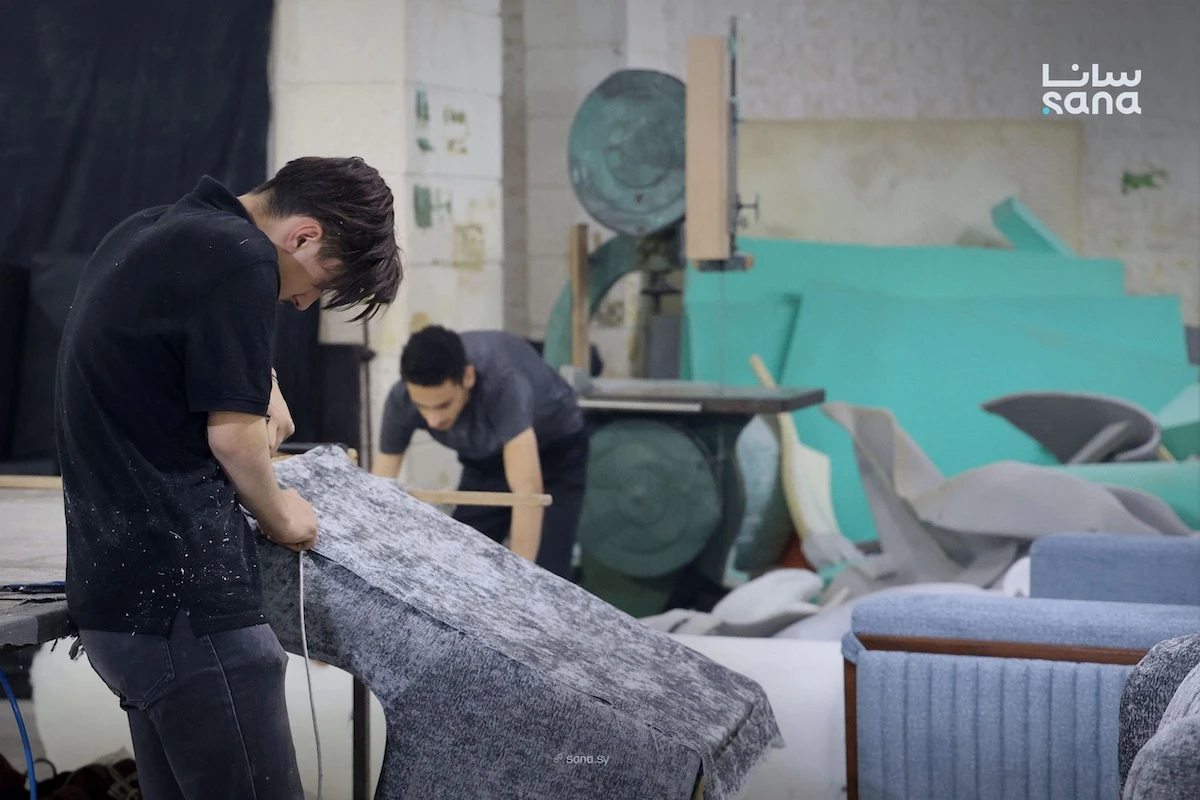
- Manufacturers say recovery depends on improved access to raw materials and modernized production methods
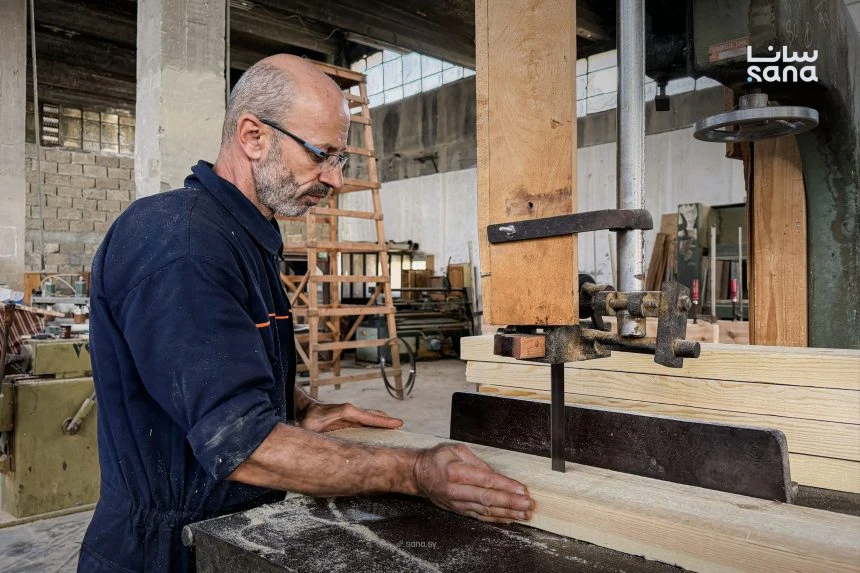
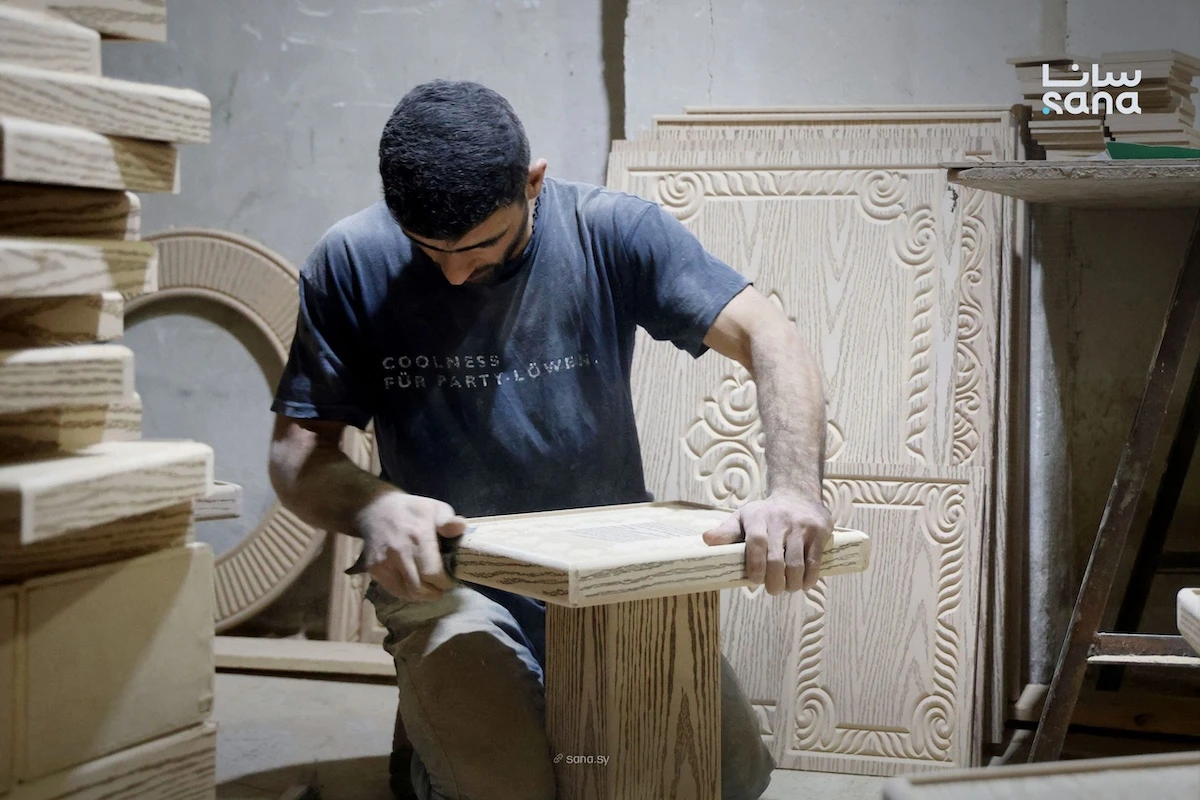
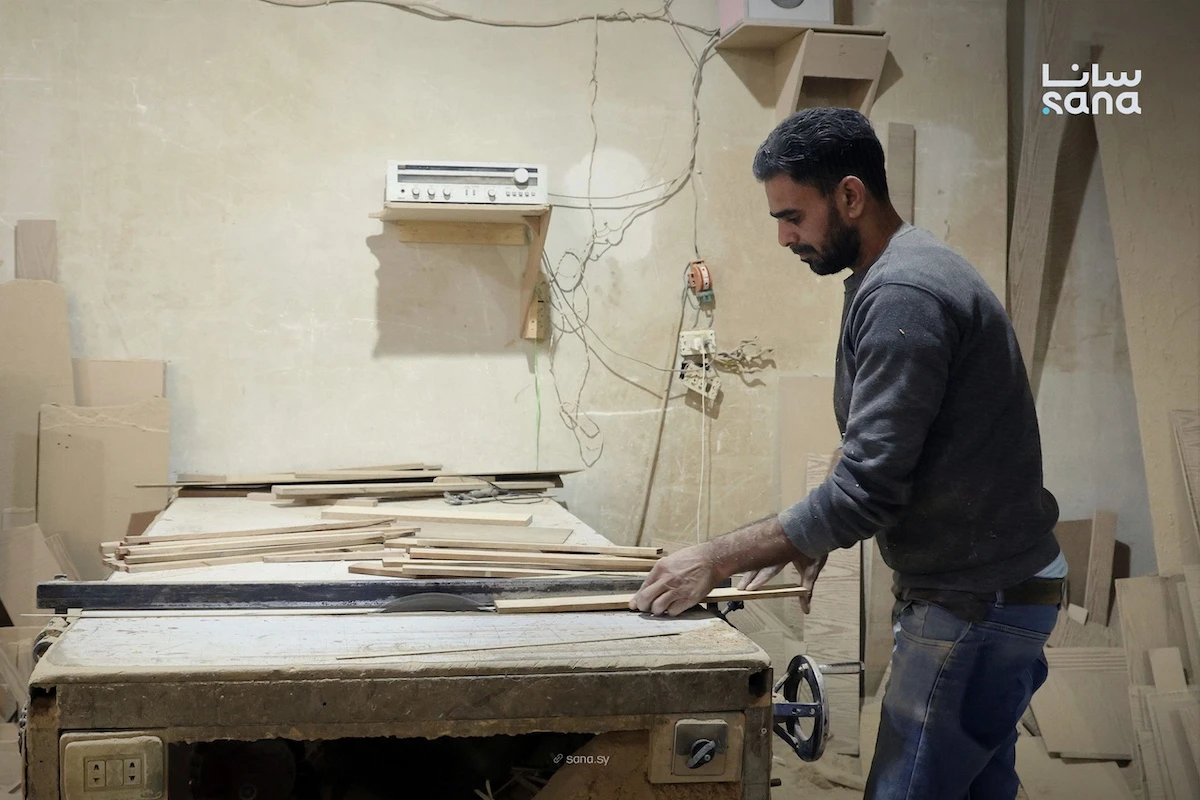
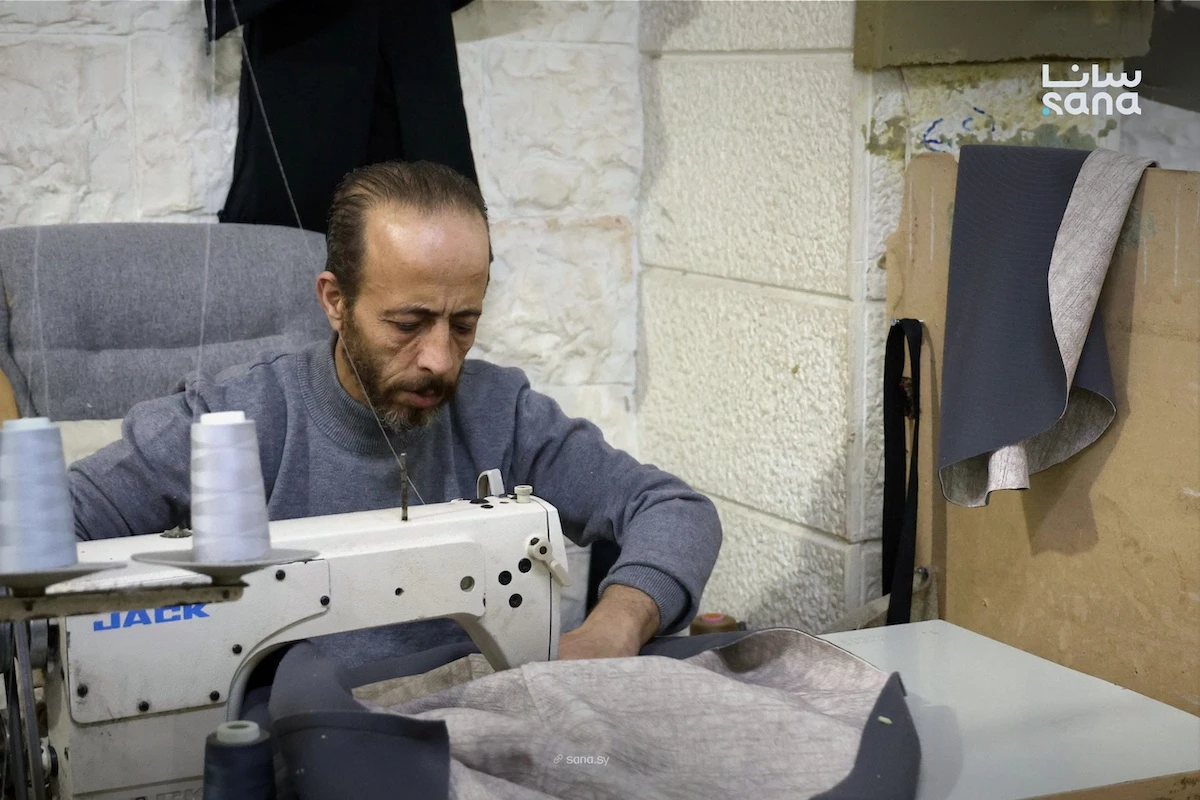
DAMASCUS: Furniture workshops and factories in the Damascus countryside are working to restore production and reestablish their presence in local and foreign markets despite challenges such as high production costs, limited access to raw materials, and competition from imported furniture.
The industry, traditionally based in towns such as Saqba, Arbeen, and Darayya, has also suffered from the loss of skilled artisans and business owners who left during the Syrian revolution due to the actions of the former regime.
Manufacturers say the sector’s recovery depends on better access to production materials, modernized manufacturing methods, and improved product quality to meet market demand.
Qassem Al-Mazal, a furniture manufacturer, noted that securing raw materials remains a major challenge for
workshops, especially medium-density fiberboard, which is widely used in bedroom sets and household furniture.
He said that the market sometimes experiences speculation and stockpiling, as some traders purchase large quantities of specific board types and thicknesses, then release only limited supplies for sale.
This practice reduces availability and raises prices, making it harder for manufacturers to obtain essential production materials.
The issue extends beyond pricing to the availability of materials with required specifications. Some workshops must delay furniture orders until they can obtain boards in suitable colors and thicknesses, disrupting delivery schedules and production continuity.
Al-Mazal added that increased transportation costs, electricity bills, and machinery expenses have further pressured manufacturers, raising overall production costs and the final prices of locally made furniture.
Furniture manufacturer Mohammed Ataya stated that competition from imported products, especially Turkish furniture, presents another significant challenge for Syrian producers.
He noted that foreign factories typically have greater production capacity and more advanced manufacturing lines, enabling them to produce larger quantities faster and at lower cost.
As a result, some Syrian workshops have tried to reduce production costs by scaling back internal fittings or using materials with different specifications, which may affect furniture durability and quality.
Ataya said that differences between locally made and imported products are not always visible externally but become evident during use, especially in the quality of cabinet interiors, drawer runners, bases, and other fittings.
He emphasized the need to combine traditional craftsmanship with modern manufacturing technologies, such as computer numerical control machines for cutting, engraving, and shaping.
This equipment can improve precision, speed up production, and reduce raw material waste, helping manufacturers improve product quality and competitiveness.
Ataya stated that Syrian furniture has opportunities to regain its presence in Arab markets, particularly Iraq, Jordan, and Kuwait, as well as Lebanon, Algeria, and Tunisia, which have previously imported Syrian products.
However, he noted that regaining these markets depends on manufacturers’ ability to upgrade their products, improve specifications, and meet importers’ requirements for quality, design, pricing, and delivery schedules.
The furniture industry’s recovery in the Damascus countryside ultimately depends on resolving raw material shortages, reducing production costs, modernizing equipment, and preserving skilled craftsmanship.
Progress in these areas could boost the competitiveness of locally produced furniture and expand marketing opportunities in both domestic and foreign markets.