- Palestinian farmers face mounting violence, restrictions as settler attacks threaten livelihoods, access to ancestral land
- Attacks on foreign observers raise questions about accountability, whether international scrutiny can protect Palestinians
LONDON/CHICAGO: The annual olive harvest is a time when Palestinian farmers return to their groves, often working land that has sustained their families for generations. But across the occupied West Bank, the harvest has increasingly brought the threat of settler violence and, this year, renewed international scrutiny.
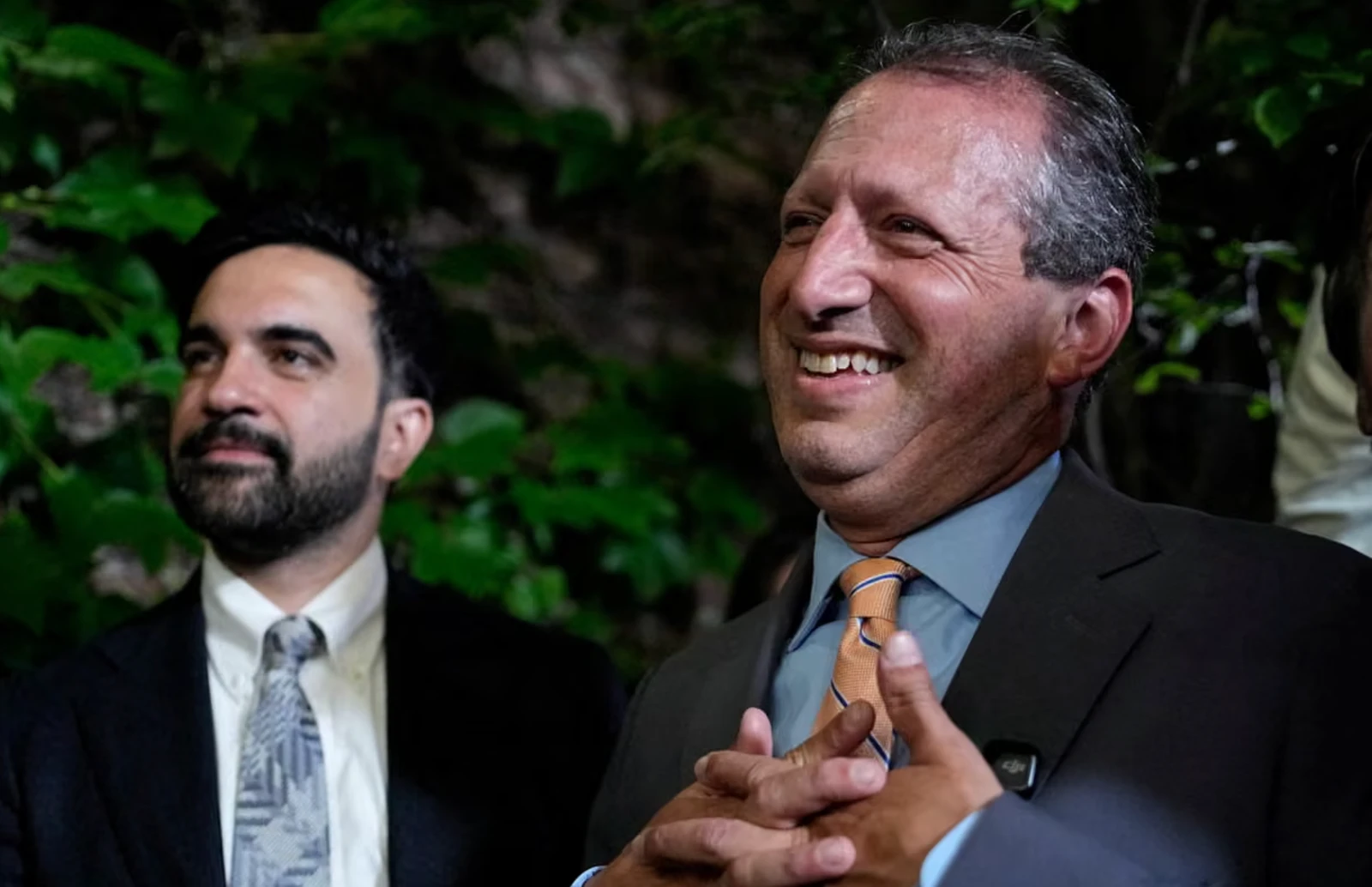
Brad Lander, a New York Democrat expected to win a seat in the US House of Representatives next month, experienced that tension firsthand when Israeli forces briefly detained him on Wednesday as he joined Palestinian farmers, rabbis and activists harvesting olives west of Bethlehem.
“The occupation is a crime under international law. Harvesting olives isn’t a crime under any law I know,” Lander wrote on social media.
After he was released he said that his prominence had helped secure his freedom and that Palestinians faced far worse consequences every day.
Israeli officials accused Lander of staging a political stunt, arguing that the landowner had not sought permission for the harvest and that coordination with the military was necessary to maintain security near a settlement.
But his detention came amid a series of attacks that have drawn growing international attention to the dangers facing Palestinians during the olive harvest, as well as those attempting to document or challenge settler violence.
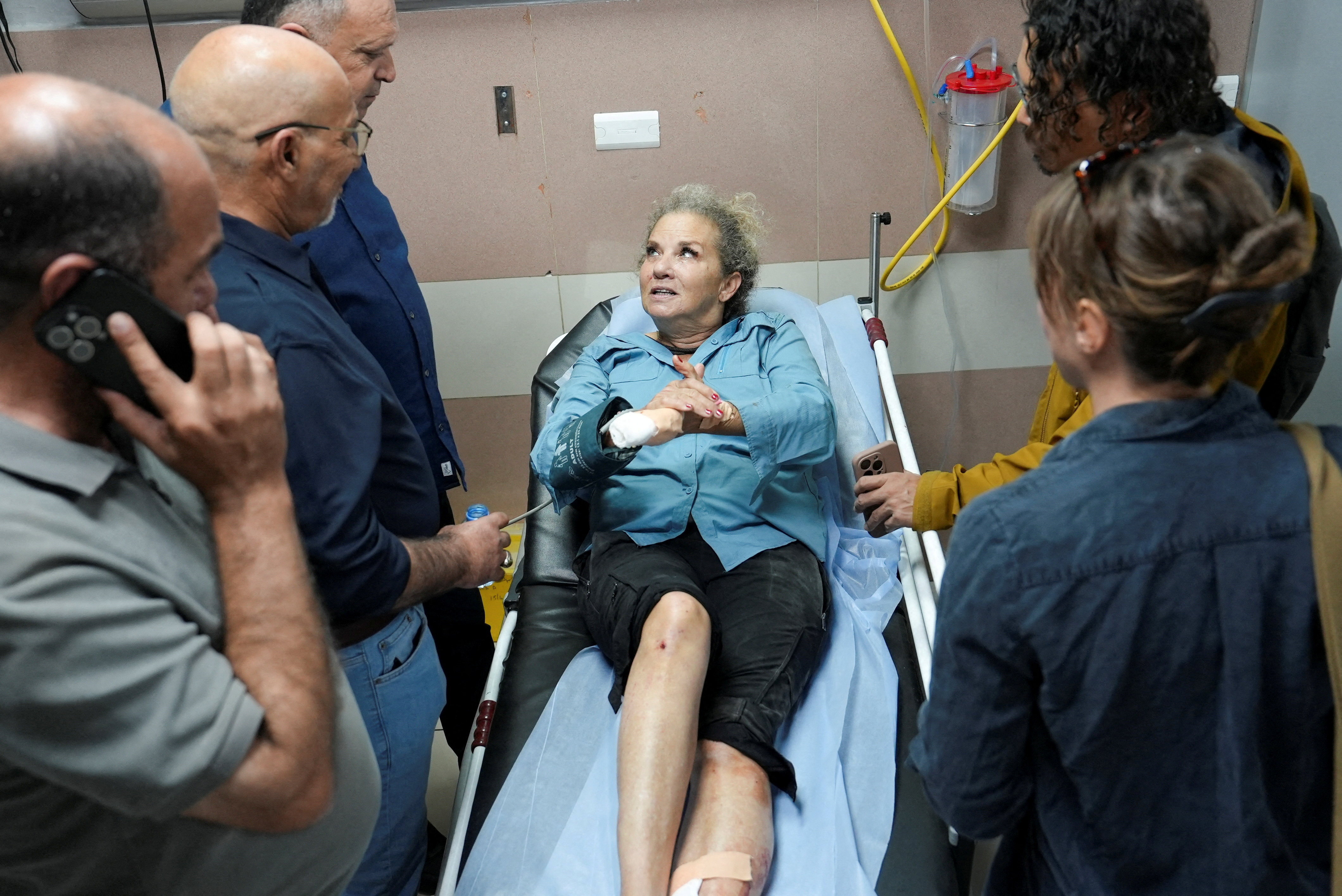
Heidi Levine, a 65-year-old American photojournalist working for The Washington Post, was hospitalized with broken vertebrae after settlers beat her while she was covering the harvest.
A day later settlers attacked a convoy of European diplomats visiting Palestinian communities, beating Bernard Baudoux, the 78-year-old mayor of the French town of Aulnoye-Aymeries.
Israeli police arrested 10 suspects in connection with the incidents but lawyers for the suspects said that all but one of them had been released to house arrest, prompting renewed questions about accountability.
The attacks came amid a wider escalation in violence. According to UN figures, at least 160 harvest-related settler attacks were recorded in the first two weeks of October.
For many Palestinians, the olive harvest is more than an annual celebration rooted in centuries of tradition, it embodies a sense of resistance and peace.
“The land means a lot to us and the olive tree is holy and sacred (and) is mentioned in all (major) religions as a symbol of peace,” Buthina Khoury, a Greek Orthodox filmmaker who grew up in Palestine, told Arab News.
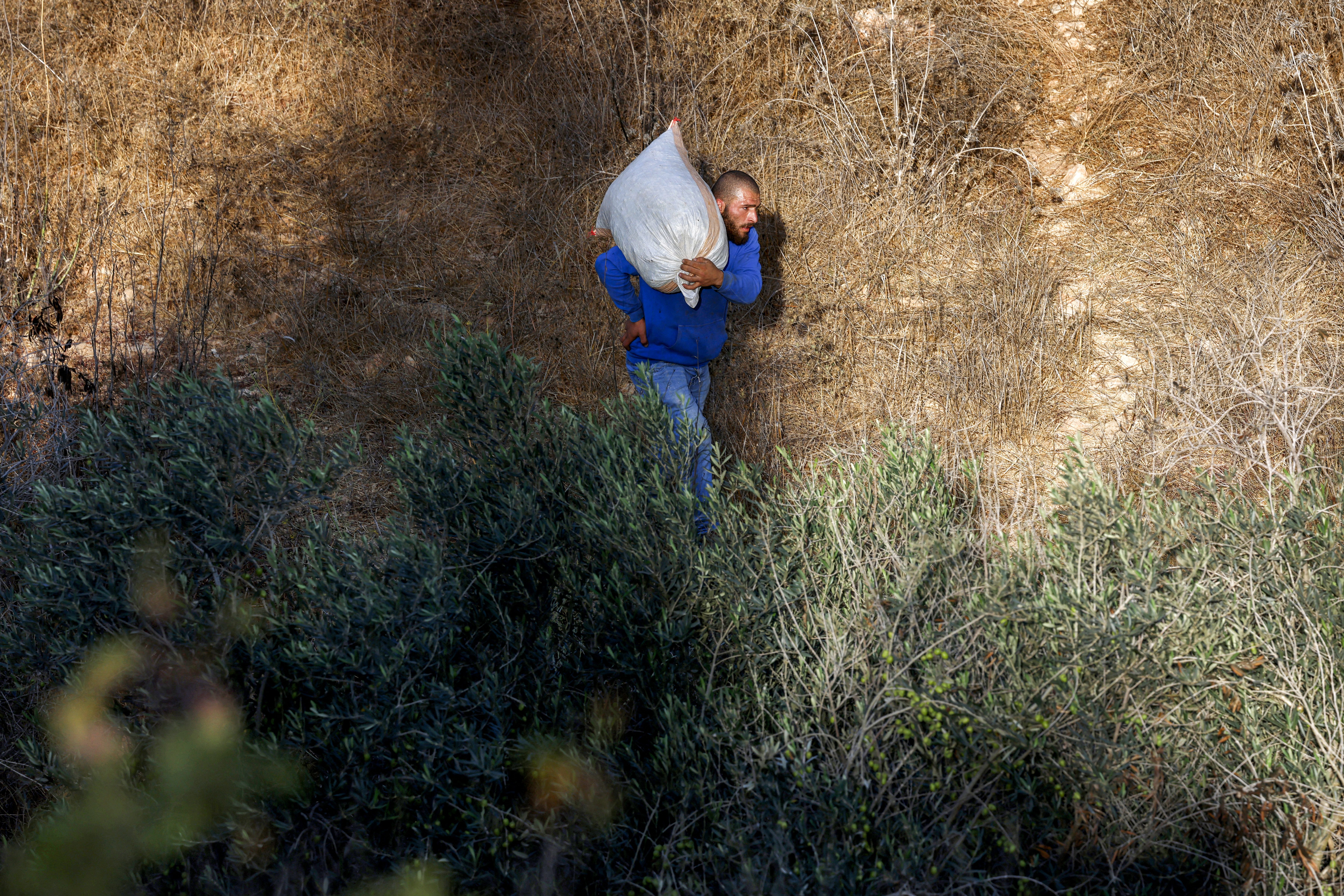
Speaking from the Christian-majority village of Taybeh, where the European delegation was attacked, she described the land as a source of “pride and honor” as well as a financial lifeline.
According to the Palestinian Farmers Union, about 110,000 families depend on privately owned olive groves for an income. The harvest also provides seasonal employment for tens of thousands of agricultural workers.
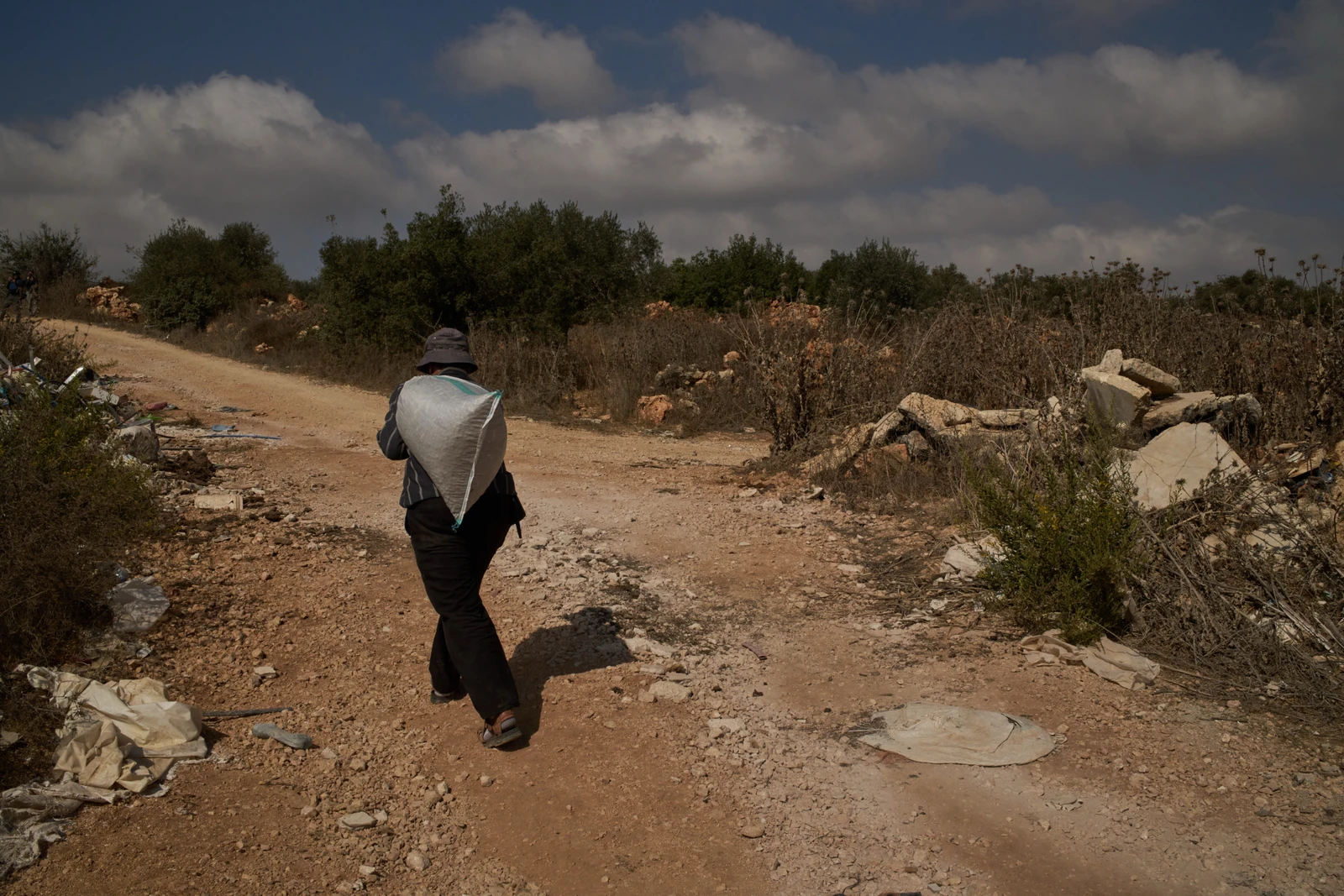
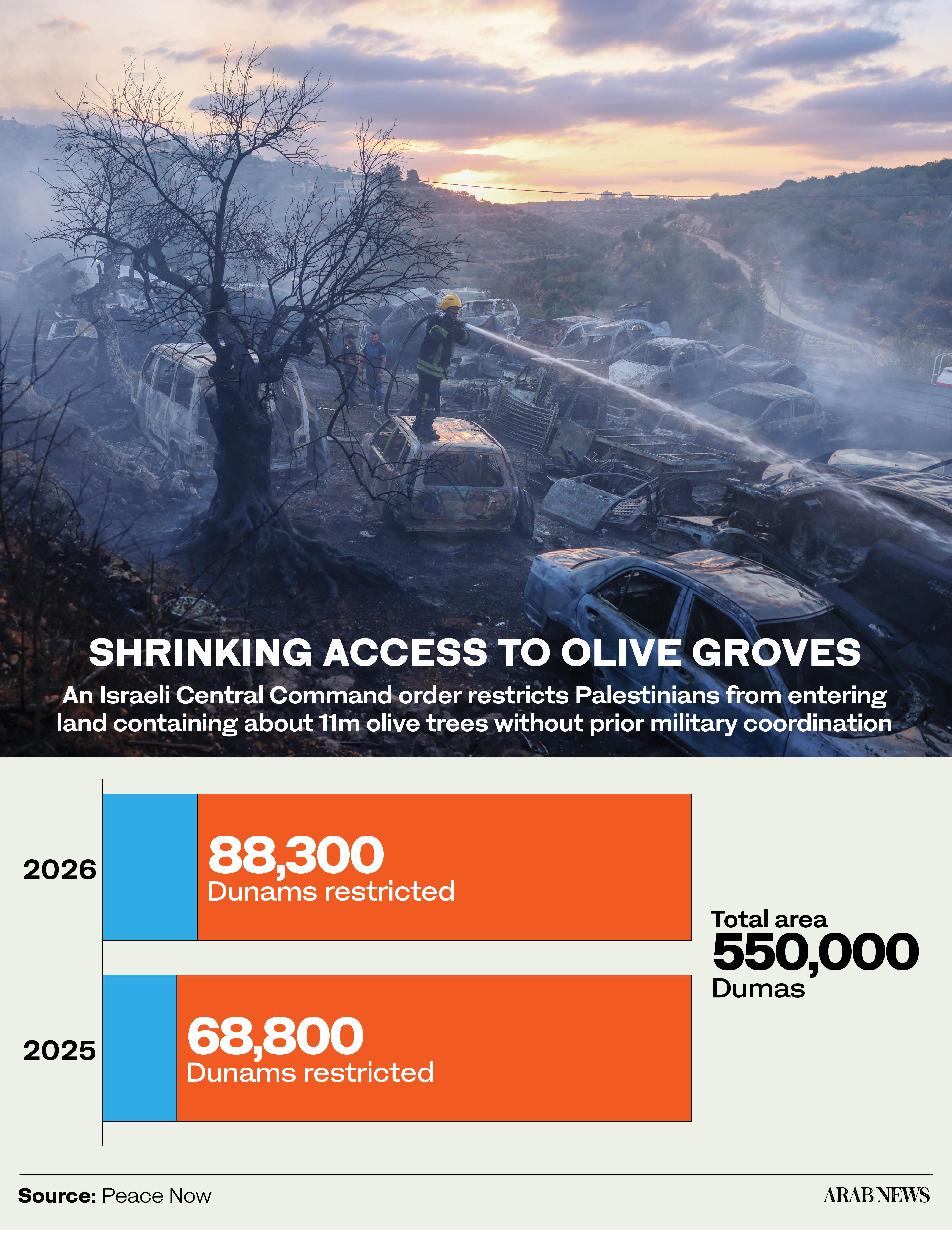
This year farmers have faced both violence and restrictions on access to their groves, including in Area C, which is under Israeli security control and contains much of the West Bank’s agricultural land.
About two-thirds of Taybeh’s territory lies in Area C, leaving many families particularly exposed to the restrictions, meaning some households will produce less olive oil than they need for their own consumption, let alone to sell.
For those already struggling, the losses threaten their ability to remain on their land.
Jeremy Ben-Ami, founder and president of J Street, an American progressive pro-Israel group, told Arab News that the escalating violence against farmers during the olive harvest was part of a much larger campaign by extremist Israeli settlers to seize land, intimidate residents and prevent the creation of a Palestinian state.
“I don’t use (the term) settler violence, I call it settler terror,” he said. “That in our view is counter to the interests of Israel. It’s counter to the interests of the Jewish people. It’s not a pro-Israel thing to do.
“I want to make sure that’s clear, what these settlers are doing. It is probably in the tens of thousands of settlers involved. It’s not hundreds like the prime minister says.”
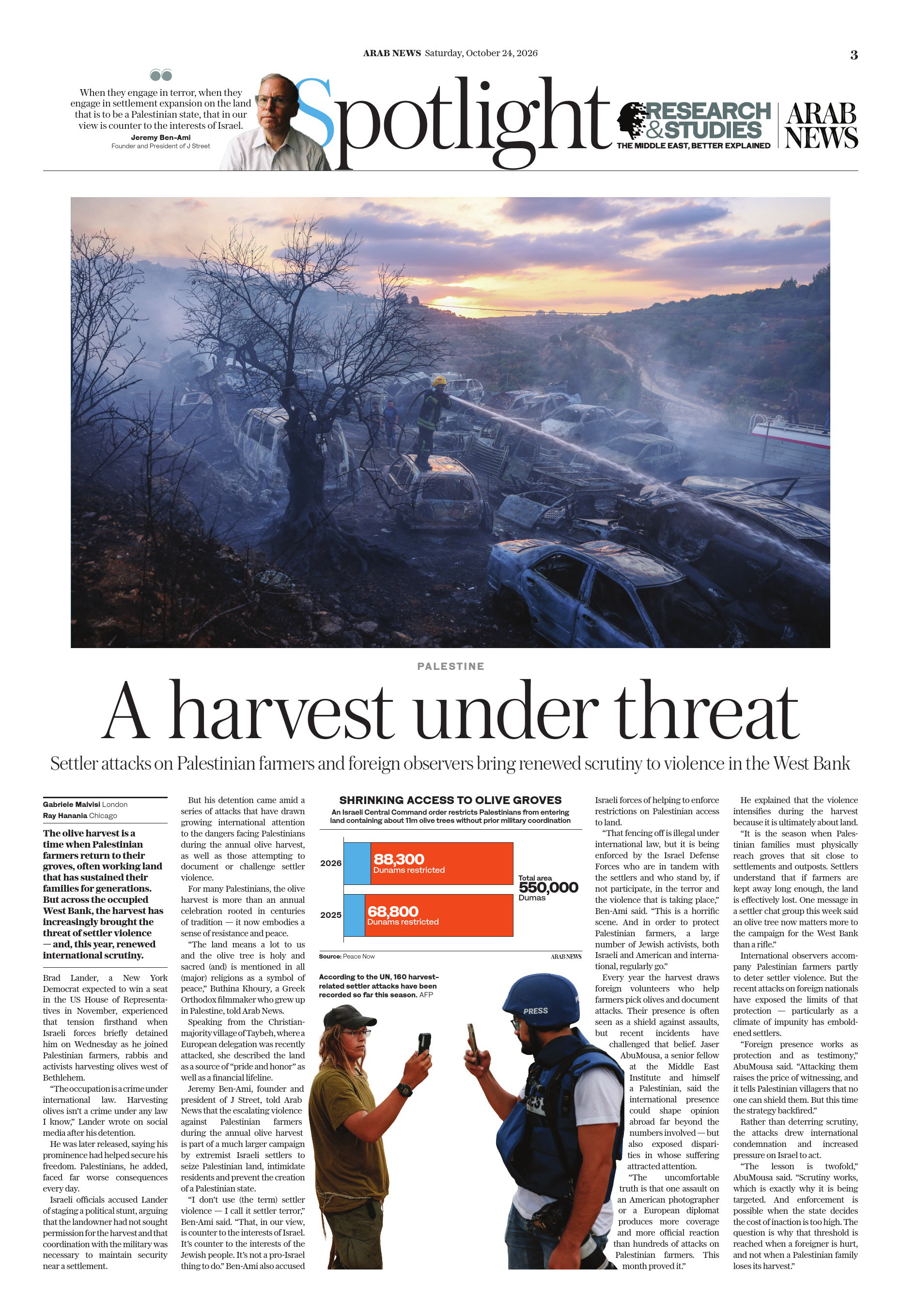
Several reports emerged this week that settlers had cut down or burned olive trees on Palestinian farms and stolen harvested olives.
Ben-Ami accused Israeli forces of helping to enforce restrictions on Palestinian access to land.
“That fencing off is illegal under international law but it is being enforced by the Israel Defense Forces who are in tandem with the settlers and who stand by, if not participate, in the terror and the violence that is taking place,” he said.
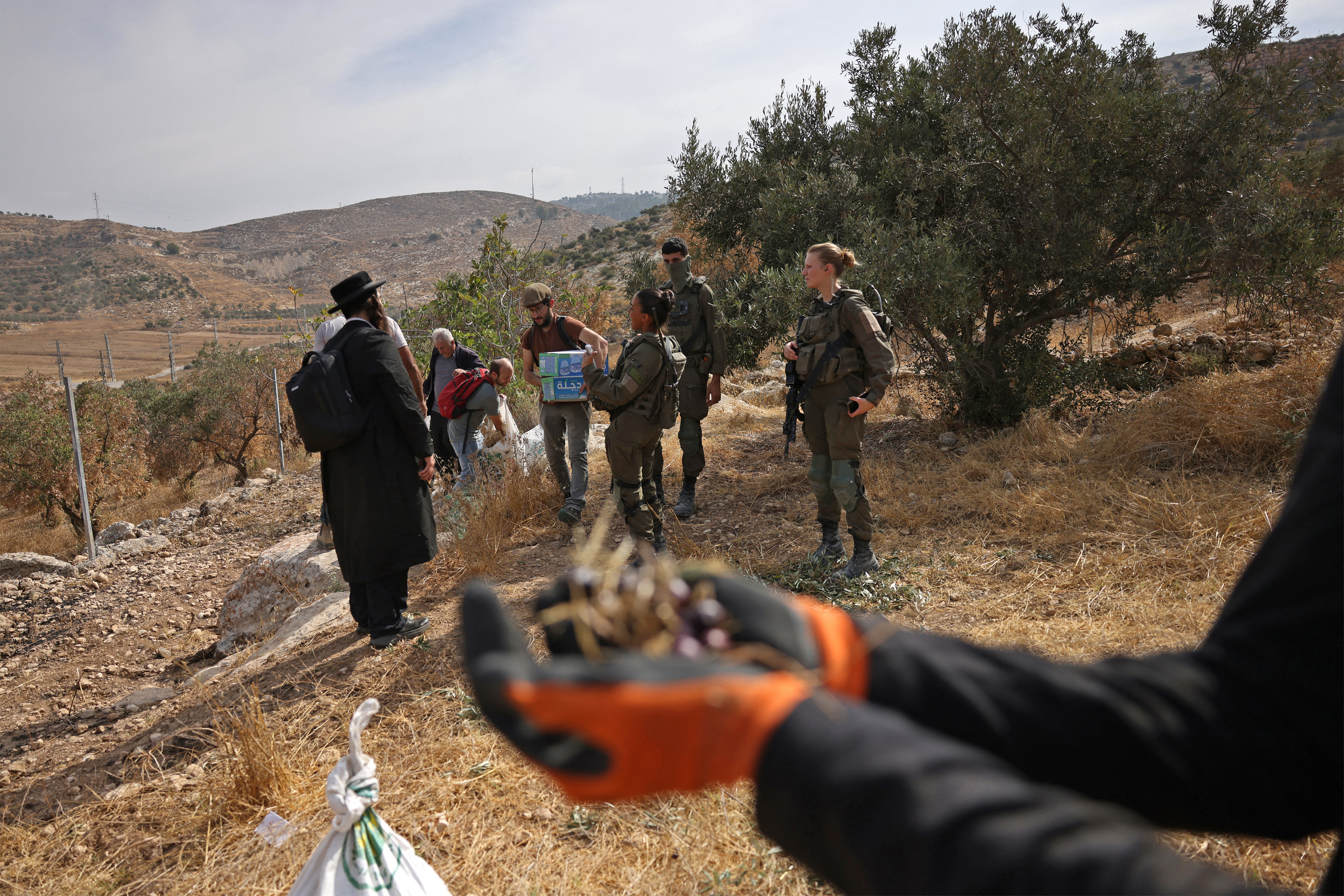
“This is a horrific scene. And in order to protect Palestinian farmers, a large number of Jewish activists, both Israeli and American and international, regularly go.”
Every year the harvest draws foreign volunteers who help farmers pick olives and document attacks. Their presence is often seen as a shield against assaults but recent incidents have challenged that belief.
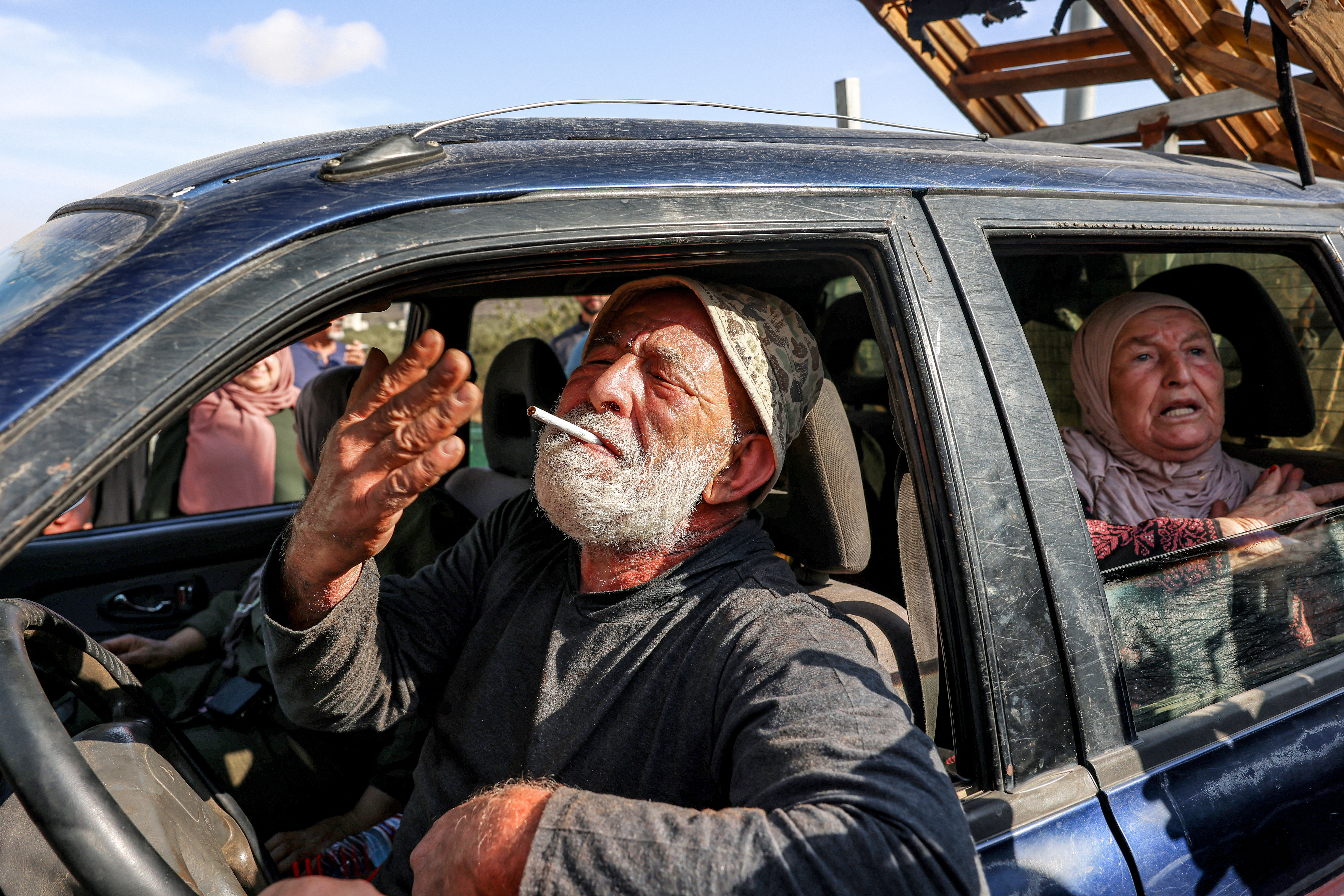
“The presence of the foreign nationals does not offer protection,” Khoury said. “It only opens the eyes and minds (of people) to witness (the situation) for themselves.”
For Palestinians, she said, the violence was not new.
Jaser AbuMousa, a Palestinian senior fellow at the Middle East Institute said that the international presence could shape opinion abroad far beyond the numbers involved but also exposed disparities in whose suffering attracted attention.
“The uncomfortable truth is that one assault on an American photographer or a European diplomat produces more coverage and more official reaction than hundreds of attacks on Palestinian farmers. This month proved it.”
He said that the violence intensified during the harvest because it was ultimately about land.
“It is the season when Palestinian families must physically reach groves that sit close to settlements and outposts. Settlers understand that if farmers are kept away long enough, the land is effectively lost. One message in a settler chat group this week said an olive tree now matters more to the campaign for the West Bank than a rifle.”
International observers accompany Palestinian farmers partly to deter settler violence. But the recent attacks on foreign nationals have exposed the limits of that protection, particularly as a climate of impunity has emboldened settlers.
“Foreign presence works as protection and as testimony,” AbuMousa said. “Attacking them raises the price of witnessing and it tells Palestinian villagers that no one can shield them. But this time the strategy backfired.”
Rather than deterring scrutiny, the attacks drew international condemnation and increased pressure on Israel to act.
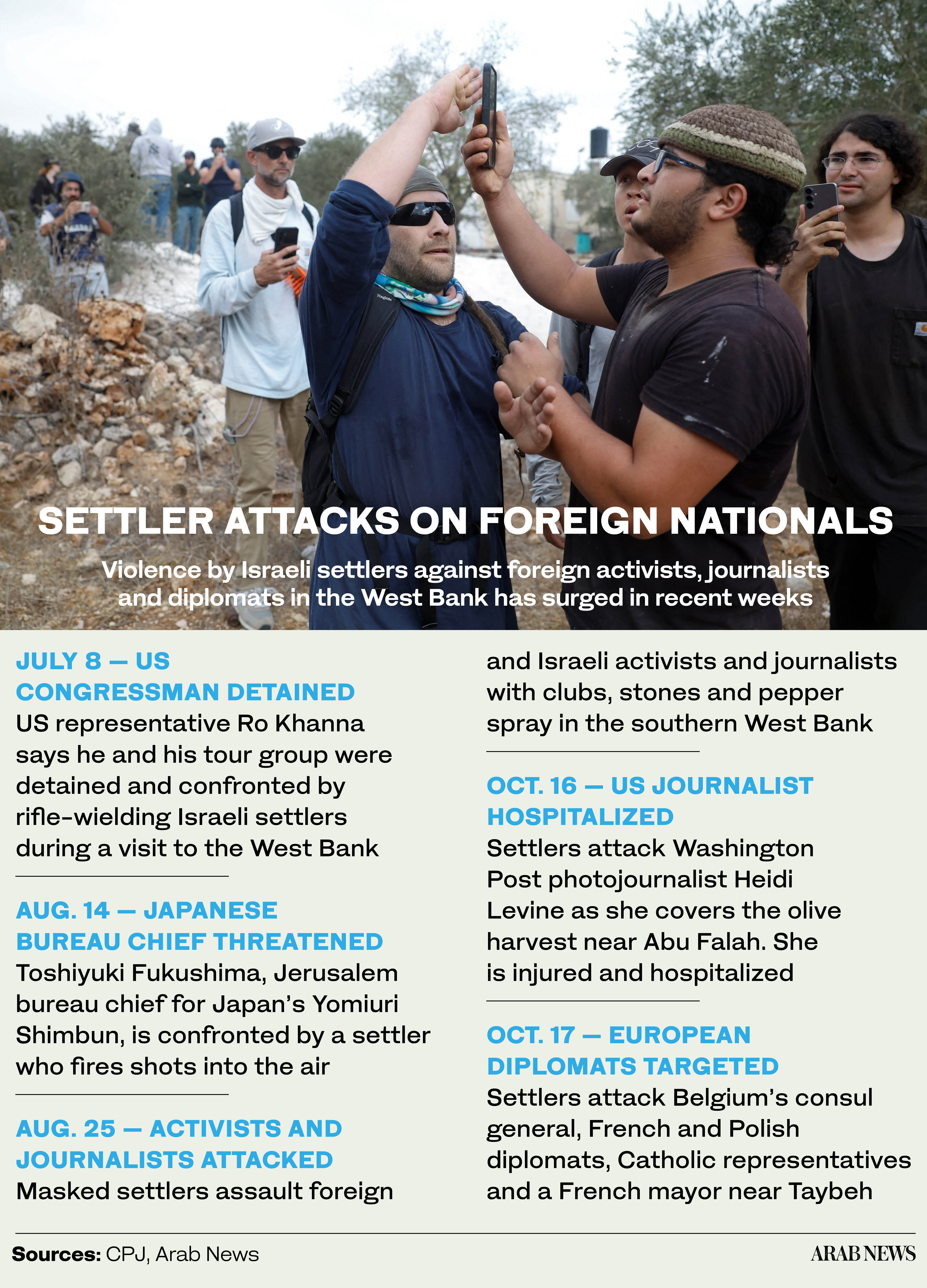
US Secretary of State Marco Rubio said that he was “very disturbed by those images and what we’re seeing” and urged Israel to rein in violent settlers.
“The lesson is twofold,” AbuMousa said. “Scrutiny works, which is exactly why it is being targeted. And enforcement is possible when the state decides the cost of inaction is too high. The question is why that threshold is reached when a foreigner is hurt and not when a Palestinian family loses its harvest.”
Israelis go to the polls on Tuesday in an election that could reshape the government’s response to settler violence. But AbuMousa drew a distinction between restraining attacks and reversing settlement expansion.
“The current government is making no serious attempt to restrain settlers before the vote,” he said.
“Netanyahu needs their base and his calculation is that this can be handled afterward. If he wins, he deals with it on his own terms and with his partners’ permission. If he loses, it becomes someone else’s problem. Meanwhile, the race to create facts is not only the settlers’. It is institutional.”
According to settlement watchdog Peace Now, the government allocated 36.3 million shekels ($11.6 million) ahead of the election to advance land registration and annexation in the West Bank, and declared 1,522 dunams as state land to facilitate the legalization of outposts.
With polls pointing to a stalemate, AbuMousa said: “There is a modest chance of curbing the violence and very little chance of reversing the expansion. That changes only if Israel’s partners, in Washington and in the region, treat enforcement as a condition rather than a request.”