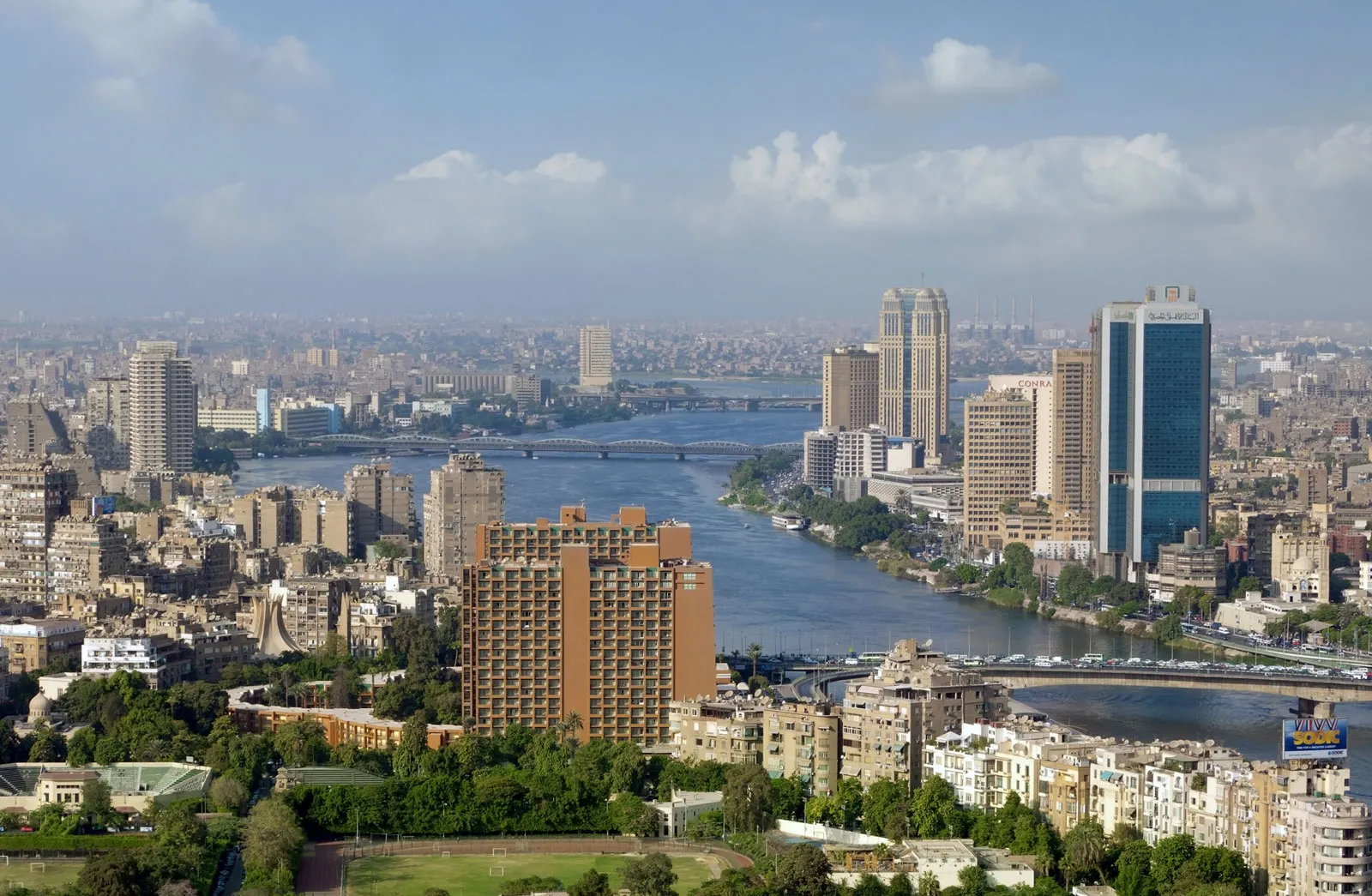
RIYADH: Egypt’s economy grew 4.3 percent in the second quarter of 2024-25, accelerating from 2.3 percent a year earlier, driven by structural reforms and rising private sector investment, Planning Minister Rania Al-Mashat said.
The improved performance reflects the government’s fiscal and monetary adjustments alongside a reduction in public investment, which Al-Mashat said has helped stabilize the economy and drive growth.
The minister previously forecast 4 percent growth for the full fiscal year, highlighting Egypt’s focus on improving its investment climate and securing $4.2 billion in macroeconomic support from global partners.
In a statement posted on the government’s official Facebook page, she said: “This is driven by structural reforms aimed at diversifying sources of growth and increasing the competitiveness of the Egyptian economy, which was evident in the strong performance of productive sectors such as manufacturing, tourism, and communications.”
Al-Mashat added that the government is working to shift toward tradable sectors like manufacturing to create a more diversified and sustainable economy, strengthening Egypt’s ability to navigate global economic challenges.
She also highlighted the positive outlook for gross domestic product growth, supported by ongoing structural reforms and economic diversification.
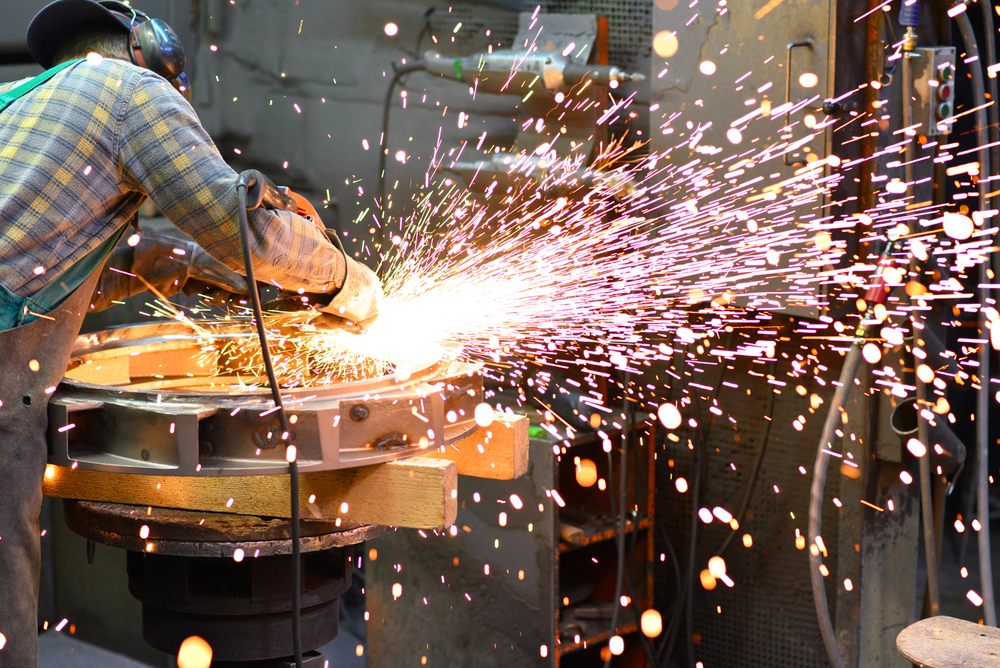
Non-oil manufacturing led economic growth, expanding by 17.74 percent — a sharp turnaround from an 11.56 percent contraction in the same period last year — driven by increased production and faster customs clearance.
The tourism sector maintained its strong performance with an 18 percent surge, while private investment rose, making up more than half of total investments. Public investment, however, declined by 25.7 percent.
The Information and Communications Technology sector grew by 10.4 percent, supported by digital infrastructure expansion and rising demand for services.
Despite ongoing geopolitical tensions affecting Suez Canal activity and a slowdown in the extraction sector, Al-Mashat underscored that economic reforms remain key to building a more competitive, sustainable economy and bolstering investor confidence.
She noted that net exports turned positive in the second quarter, driven by growth in commodity and service exports.
In January, Al-Mashat reiterated the government’s focus on disciplined investment management, stating that the public investment budget for the year is capped at 1 trillion Egyptian pounds ($19.78 billion), prioritizing projects that are at least 70 percent complete.
Between 2020 and 2024, Egypt’s private sector secured $14.5 billion in concessional development financing from global partners. For the first time, private sector access to international soft financing surpassed that of the government in 2024, Al-Mashat noted at that time.
She also revealed that negotiations are ongoing with the EU and other international partners for a second phase of macroeconomic support, including €4 billion ($4.10 billion) in budget aid and €1.8 billion in investment guarantees.