- Startup funding witnessed a 74% year-on-year increase in August
RIYADH: Startups across the Middle East and North Africa region witnessed multiple funding rounds in the past week, as companies across a wide range of industries continue to expand their operations.
The sustained momentum in early stage funding reflects continued investor interest in the region amid global economic headwinds.
A report released by Wamda revealed that startup funding in the MENA region witnessed a 74 percent year-on-year increase in August, with $337.5 million secured across 47 deals.
Saudi Arabia led the region for the second consecutive month, attracting $166 million across 19 deals, while the UAE followed with $154 million raised by 11 startups.
Spare secures $5m
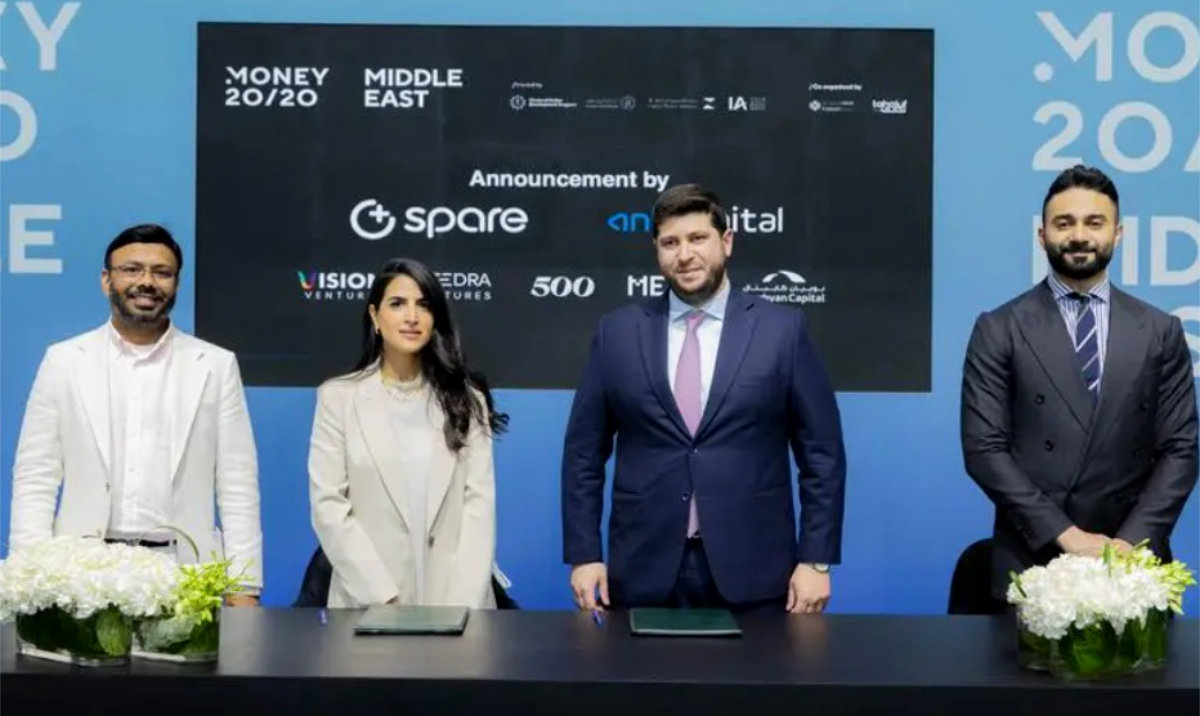
Riyadh-based Spare, an open banking infrastructure provider, raised $5 million in a pre-Series A funding round, led by anb Seed Fund, the venture capital fund of ANB Capital.
Other investors included Vision Ventures, SEEDRA Ventures, 500 Global, Boubyan Ventures, and Middle East Venture Partners, according to a press statement.
The company said that the new capital will be used to scale Spare’s Open Banking platform and API integrations, accelerate product development, and drive expansion across the Gulf Cooperation Council region.
“We’re building the financial rails for the next generation of businesses in MENA. This investment allows us to move faster, doubling down on product innovation, deepening our integrations with regional banks, and accelerating adoption of secure, localized fintech infrastructure solutions across the region,” said Dalal Al-Rayes, CEO and co-founder of Spare.
Omar Ardati of anb seed Fund said: “Spare is setting a new standard financial infrastructure in MENA. Their commitment to speed, simplicity, and security — combined with a deep understanding of local market dynamics — makes them a standout company in the region’s fintech landscape.”
HALA raises $157m
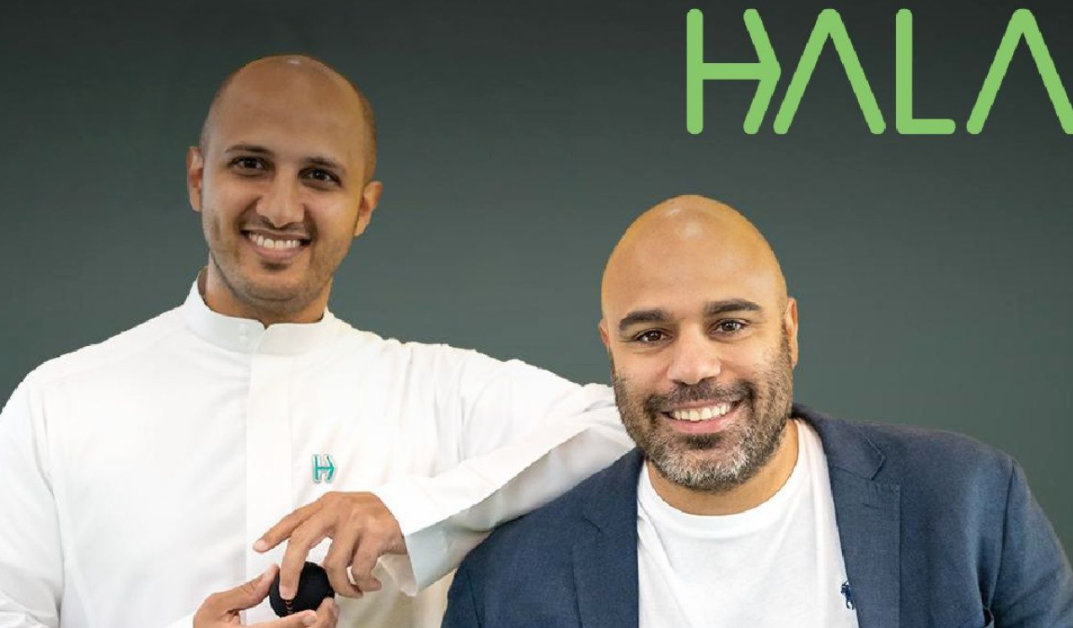
Saudi-based fintech firm HALA has raised $157 million in a series B round led by the Rise Fund, TPG’s multi-sector global impact investing strategy, and Sanabil Investments, wholly owned by the Kingdom’s sovereign wealth fund.
The funding round also witnessed the participation of QED, Raed Ventures, and Impact 46, as well as Middle East Venture Partners, Isometry Capital, Arzan VC, and BNVT Capital.
Other participants in the round were Kaltaire Investments, Endeavor Catalyst, Nour Nouf Ventures, Khwarizmi Ventures, and Wamda Capital.
In a press statement, the company said the funding will be used to position itself in the Saudi market and offer more embedded financial services and lending products catered to support the growth of MSMEs in the Kingdom.
The financial assistance will be also used to expand HALA’s presence regionally.
“This landmark investment is a turning point for HALA, reflecting on our relentless pursuit of innovation and excellence in serving small businesses. We are honored that our new investors recognize the potential of our vision and the impact we aspire to make in the MSME landscape. Our journey is just beginning, and this support fuels our drive to create meaningful change,” said Esam Alnahdi, co-founder and chairman of HALA.
“This investment underscores our belief in HALA’s potential to reshape the future of financial services for SMEs and aligns with Sanabil’s mission to support visionary companies with patient capital and strategic guidance. We look forward to partnering with HALA and the other investors in supporting their continued success and expansion,” said a spokesperson for Sanabil Investments.
LDUN secures $4.8m
LDUN, a Saudi Arabia-based fintech firm, raised $4.8 million in a seed round led by Sadu Capital, with participation from Suhail Ventures and Nomu Angel Investment.
The funding will be used to expand digital financial services for MSMEs across the Kingdom.
The financial assistance will also help LDUN grow its product suite, strengthen regional partnerships, and simplify complex financial processes with technology.
Founded in 2021 by Firas Al-Hamdan and Faisal bin Dukhail, LDUN focuses on offering factoring solutions for MSMEs.
The company also offers a range of financial services, including Shariah-compliant buy now, pay later, trade credit, factoring, and reverse factoring.
Fintologya closes $1m seed funding round
Bahrain-based Fintologya, a provider of cloud infrastructure solutions for payments, has successfully closed a $1 million seed funding round led by a Gulf holding company.
The funding is expected to help the company create secure, modular, cloud-native payment platforms that empower banks, fintechs, and financial institutions in the region.
The company is currently active in Saudi Arabia and Bahrain, and with such funding, it aims to expand further across Gulf markets.
Amaani raises $3m
Amaani, a beauty and wellness firm from the Middle East, has raised $3 million in seed funding for its debut Arab beauty brand AÏZA, according to a press statement.
The funding round was led by Peak XV’s Surge, formerly Sequoia Capital India & SEA, marking their first consumer and seed investment in the MENA region.

Founded by Shubham Poddar, a former Sequoia India investor who helped drive its expansion in the Middle East with investments across fintech, food tech, and property tech, Amaani is built on a vision to create global beauty brands from the Arab region.
“With the region boasting among the highest per capita beauty spend globally, growing online penetration, and an increasing demand for local relevance, Amaani is poised to meet a generational shift in how consumers shop and what they seek: brands that reflect their identity, values, and aspirations,” said Poddar.
GV Ravishankar, managing director at Peak XV, said that Amaani is well positioned to lead the beauty and personal care market in the Arab region.
“The GCC beauty and personal care market is already a $12 billion industry, growing at over 12 percent annually, with some of the highest per capita spends globally. We believe the region is now primed to produce the next wave of culturally resonant, globally admired consumer brands. Amaani is well positioned to lead this movement,” said Ravishankar.
Through the funding, Amaani plans to scale AÏZA across the region and globally, both online and through retail, while also developing a portfolio of future brands in the sector.
UAE-based Armoir raises $500k
UAE-based luxury luggage brand Armoir has raised $500,000 in a seed round led by Salica Oryx Fund, with participation from Plus VC and leading global angel investors.
The new capital will be deployed to launch additional collections, expand footprint across MENA and Europe, and scale the team to strengthen design innovation, customer experience, and global growth, according to a press statement.
“Partnering with Salica Oryx Fund, Plus VC, Chalhoub Group, and our angel investors brings world-class expertise in scaling consumer and lifestyle brands globally. This funding gives us the runway to accelerate design innovation, expand globally, and establish Armoir as a leading brand in premium travel,” said Martial Dahan, founder and CEO of Armoir.