JLL to manage leasing for 733 commercial units across Riyadh Metro 

JLL to manage leasing for 733 commercial units across Riyadh Metro 
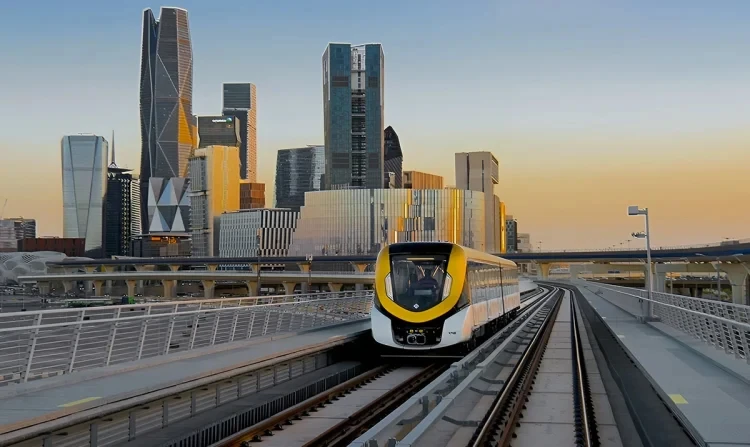
Riyadh Metro is designed to serve 3.6 million daily commuters. Supplied
Short Url
Updated 06 October 2025
Follow

JLL to manage leasing for 733 commercial units across Riyadh Metro 

JLL to manage leasing for 733 commercial units across Riyadh Metro 

RIYADH: Commuters across Riyadh will soon see enhanced shopping and dining options as the city’s metro network undergoes a major commercial transformation. 

The Royal Commission for Riyadh City has partnered with global real estate advisory firm JLL to develop a comprehensive retail strategy and manage leasing across the network, according to a press release. 

Under the agreement, JLL will implement a retail plan for Riyadh Metro covering tenant mix, rental analysis, and leasing cycles for 733 commercial units across 85 metro stations and 2,900 bus stops. 

The new development comes as the metro network completed a major milestone of carrying 100 million passengers in August, since its launch in December 2024. 

Dana Williamson, head of offices and business space for Middle East and North Africa at JLL, said: “Our strategic partnership as the leasing adviser for the Riyadh Metro commercial network is a powerful affirmation of JLL’s commitment to championing Saudi Arabia’s Vision 2030 and its ambitious urban transformation goals.” 

She added: “We look forward to working alongside the RCRC to attract leading brands and create unparalleled opportunities for their expansion and strategic market positioning within this landmark infrastructural project.” 

The retail units across prime locations within the metro network will establish new commercial corridors and enhance the daily commuter experience, providing access to a wide range of shopping and dining options for residents and tourists alike, the release added. 

Under the deal, JLL will conduct detailed rental analysis, prepare a comprehensive report outlining commercial outlet opportunities, and create a definitive Tenant Manual and Policies guide. 

The firm will also execute the full leasing program, managing competitive tender bids for retail units, ATMs, and click-and-collect kiosks under RCRC supervision. 

JLL will oversee tenant management from initial handover to opening and provide ongoing maintenance support. 

“JLL’s global and local leasing expertise will maximize commercial viability for businesses in line with RCRC’s visionary blueprint, setting new benchmarks for the commercial real estate industry in Riyadh,” added Williamson. 

Designed to serve 3.6 million daily commuters, Riyadh Metro operates a six-line network connecting business districts, residential communities, and cultural landmarks. 

Saudi Arabia’s non-oil sector posts strong growth as PMI hits 60.2 

Saudi Arabia’s non-oil sector posts strong growth as PMI hits 60.2 
Updated 8 sec ago
Follow

Saudi Arabia’s non-oil sector posts strong growth as PMI hits 60.2 

Saudi Arabia’s non-oil sector posts strong growth as PMI hits 60.2 

RIYADH: Saudi Arabia’s non-oil economy accelerated in October, with the Purchasing Managers’ Index climbing to 60.2, its second-highest level in more than a decade, signaling strong business growth momentum. 

The latest survey by Riyad Bank and S&P Global showed a sharp improvement in operating conditions across the Kingdom’s private sector, underpinned by solid demand, rising employment, and robust output growth.  

The October reading, up from 57.8 in September, highlights the sustained momentum of the non-oil economy as Vision 2030 reforms continue to drive diversification away from crude revenues. 

Speaking at the Future Investment Initiative in October, Saudi Arabia’s Minister of Economy and Planning Faisal Alibrahim said the Kingdom’s gross domestic product is expected to expand by 5.1 percent in 2025, supported by continued growth in non-oil activities. 

Commenting on the latest report, Naif Al-Ghaith, chief economist at Riyad Bank, said: “Saudi Arabia’s non-oil private sector recorded a solid improvement in business conditions in October, with the PMI rising to 60.2, marking one of the strongest readings in over a decade.”  

He added: “The acceleration was driven by broad-based gains in output, new orders, and employment, reflecting sustained demand momentum and continued strength in the non-oil economy.”  

Al-Ghaith noted that the latest survey results also indicate a strong start to the final quarter of the year, supported by both domestic and external demand. 

According to the report, the pace of growth in new orders received by non-oil companies accelerated for the third consecutive month in October, with 48 percent of surveyed firms reporting higher sales. 

Participating companies attributed the sales growth to improving economic conditions, a growing client base, and increased foreign investment. 

Output and employment also expanded sharply during the month, with job creation rising at the fastest pace in nearly 16 years.

Al-Ghaith said the persistent rise in new export orders highlights the growing competitiveness of Saudi firms and the progress achieved under ongoing diversification initiatives. 

“The rise in demand encouraged firms to expand production and workforce capacity at the fastest rate since 2009, as businesses expanded capacity to meet new workloads. Purchasing activity and inventories also increased, while suppliers’ delivery times continued to improve, reflecting efficient coordination and resilient supply chains,” he added.  

October data indicated a sharp rise in input costs for non-oil firms, driven mainly by wage increases from salary revisions and bonuses. 

On the outlook, companies remained optimistic, citing strong market demand, ongoing project work, and government investment initiatives. 

“Optimism is underpinned by solid domestic demand and the momentum of ongoing projects. Although some concerns persist around costs and competition, sentiment overall remains strongly positive, reflecting confidence in the economy’s continued expansion and the strength of the non-oil private sector,” concluded Al-Ghaith.