JEDDAH: Saudi Arabia and Morocco have signed an agreement to encourage and protect mutual investments, aiming to safeguard investors’ rights and boost cross-border capital flows as the two nations strengthen economic cooperation.
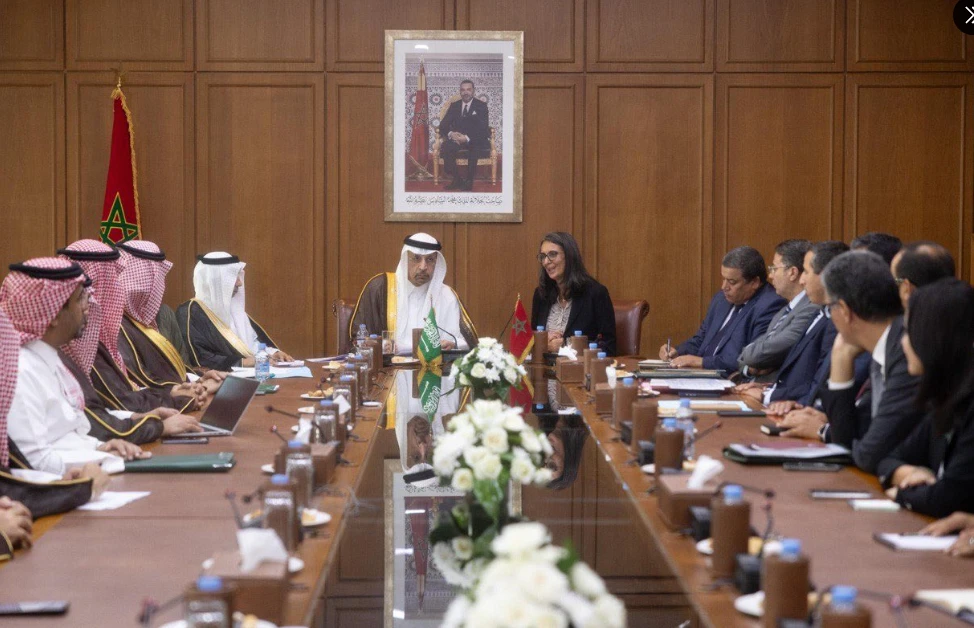
The deal was signed in Rabat by Saudi Investment Minister Khalid Al-Falih and Moroccan Minister of Economy and Finance Nadia Fettah Alaoui during the Saudi minister’s official visit to the North African nation.
This comes amid growing economic relations, with trade between the two countries reaching SR5 billion ($1.33 billion) in 2024. Saudi exports accounted for SR4.3 billion, while imports stood at SR640 million.
In a post on its official X account, the Saudi Ministry of Investment said both ministers signed “an agreement to encourage and protect mutual investments between the two Kingdoms, to strengthen the economic partnership between them, safeguard investors’ rights, and support the flow of investments in various sectors.”
Under the agreement, the two countries committed to creating a stable and transparent environment for investors. It guarantees fair and equitable treatment, freedom to transfer funds, and protection against expropriation without fair compensation. The pact also enables investors to seek international arbitration in the event of disputes
Al-Falih and Alaoui also discussed ways to enhance financial partnerships, economic policies, stimulate growth, and strategies for financing major developmental projects.
Morocco ranks as Saudi Arabia’s 57th largest export partner and 51st for imports, with key trade including vehicles, insulated wires, fertilizers, and clothing from Saudi Arabia, and refined petroleum, vehicles, accessories, and wheat from Morocco.
The deal also aims to promote sustainable economic growth and address challenges faced by investors, thereby strengthening bilateral economic cooperation and deepening the strategic partnership between the two countries.
In another post, the Investment Ministry said Al-Falih held a bilateral meeting with Moroccan Minister of Investment, Convergence, and Evaluation of Public Policies Karim Zidane.
“They discussed the strategic vision for sustainable development, the evaluation of public policies and the improvement of the business environment and explored ways to enhance economic cooperation between the two countries,” the post added.
During his visit, Al-Falih also met with Morocco’s Minister of Industry and Trade Ryad Mezzour, with whom he discussed strengthening industrial and commercial cooperation, developing manufacturing industries, and attracting new investments.
The Saudi minister also met with several Moroccan government officials and a group of business and financial leaders to strengthen investment relations and address challenges facing investors in both countries.