- Royal speech much anticipated by the protesters, who have taken to the streets almost every night since September 27
- Demonstrators have been calling for a change in government and for Prime Minister Aziz Akhannouch to resign
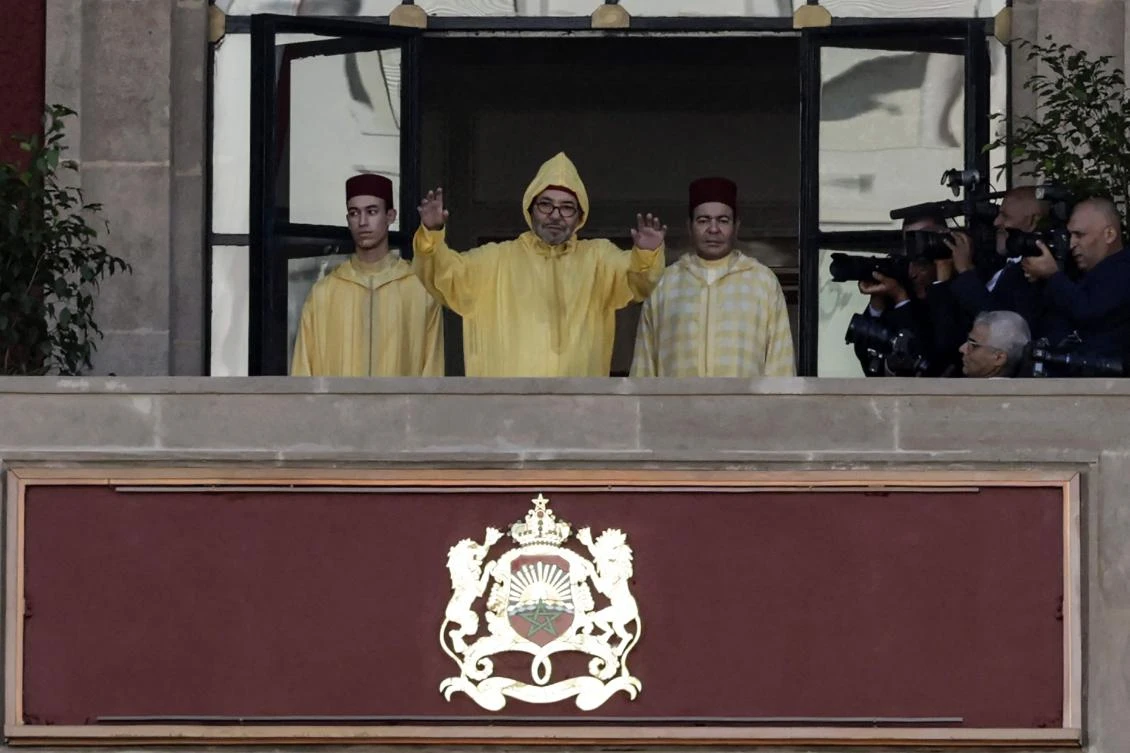
RABAT: Morocco’s King Mohammed VI on Friday said improving public education and health care was a priority, but made no reference to the youth movement that has been staging nationwide protests for sweeping social reforms.
“We have set as priorities... the creation of jobs for young people, and the concrete improvement of the education and health sectors,” the monarch said in his annual address to the opening session of parliament.
The royal speech had been much anticipated by the protesters, who have taken to the streets almost every night since September 27.
The unrest that has rocked the usually stable north African country has been fueled by recent reports of the deaths of eight pregnant women at a public hospital in the city of Agadir, which critics condemn as a symptom of a failing system.
Demonstrators have been calling for a change in government and for Prime Minister Aziz Akhannouch to resign.
Many Moroccans have also expressed frustration at public spending as Morocco pushes ahead with major infrastructure projects in preparation for the 2030 World Cup, which it will co-host with Portugal and Spain.
The king pleaded that “there should be no contradiction or competition between major national projects and social programs.”
‘Disappointed’
GenZ 212, the online-based collective calling the protests – whose founders remain unknown – made no immediate reaction to the speech.
Raghd, a 23-year-old sound engineer who had joined several demonstrations in Rabat, said she was “disappointed” that there was no explicit reference to the protests in the royal speech.
“I thought he would say something stronger,” she said without giving her last name.
The collective had urged its followers to refrain from protesting on Friday night “out of respect” for the king.
Yet Driss El Yazami, the former head of the National Human Rights Council, said the king’s speech might actually amount to “a national mobilization.”
He said the monarch “heard the call of the youth.”
In his speech, the king said Morocco was “charting a steady path toward greater social and territorial justice.”
He added that efforts must also ensure “that the fruits of growth benefit everyone.”
In July, he had declared that “there is no place, today or tomorrow, for a Morocco moving at two speeds.”
On Thursday, GenZ 212 demanded a “crackdown on corruption” and a “radical modernization of school textbooks.”
They also called for a national plan to renovate hospitals, recruit more doctors and health care workers, particularly in remote areas, and raise public health insurance reimbursement rates from 50 percent to 75 percent.
Official figures show a lack of education in Morocco is a key driver of the country’s poverty, which has, nevertheless, fallen from nearly 12 percent of the population in 2014 to 6.8 percent in 2024.
‘Shortfalls’
GenZ 212 has insisted it had no political affiliation and no formal leadership.
Members on the online messaging platform Discord where it was founded discuss issues openly and put every major decision up to a vote.
Sociologist Mehdi Alioua said it comes as “part of a long history of youth-led social mobilization in Morocco.”
The north African country had seen mass protests in February 2011 and in 2016 with the Hirak uprising in the Rif region.
Yet GenZ 212 has brought together “young, connected urbanites, from the middle or upper classes,” as well as “young rural and small-town workers, often exploited agricultural low-wage laborers with few rights.”
The government made a fresh call on Thursday for dialogue with the protesters, saying their “message has been received” and vowing to “work quickly to mobilize resources and address shortfalls.”
Rallies have been largely peaceful, though some nights have seen spates of violence and acts of vandalism.
Three people were killed in clashes with security forces last week, while police have made dozens of arrests.