- AI helping in Saudi World Cup stadium design, says Steven Schain
- Gulf is investing properly, unlike those that have ‘wasted’ millions
NASHVILLE, USA: Companies have blindly invested in artificial intelligence before establishing their actual needs, which has led to millions of dollars being “wasted,” a leading expert has told Arab News.
A recent survey revealed that sentiment in AI technology had dropped in the Middle East as companies began to realize they had onboarded the technology without first establishing its role within their organizations.
But in projects such as the design of Saudi Arabia’s 2034 World Cup stadiums, the technology was being put to good use, including how to give the perfect view from every seat. This is something many football clubs around the globe will admit has not been previously achieved.
Depending on who you listen to, the AI bubble is either about to burst or diversify.
Journalist Will Lockett wrote in Medium.com on Sept. 15 that the “AI bubble is ripe for bursting,” adding that the “AI models we have now are about as good as they will ever be.”
But Amazon founder Jeff Bezo took a more optimistic line, CNBC reported last week, saying the “technology is real” and would bring “big benefits to society.”
It is a view shared by Steven Schain, founder of AI Performance Partners, who speaking on the sidelines of the recent Autodesk University 2025 in Nashville.
Schain said Gulf nations were adopting the correct approach by properly training organizations and individuals in using AI.
Officials in Saudi Arabia and the UAE have said in recent months that they plan to invest heavily in AI training and education.
Schain said that if sentiment in AI had dropped, it was an indication that it was being overused in the first place. “What is happening now is that there is a more refined use of AI,” he said.
He added: “The design and building of the Saudi World Cup stadiums is being enhanced as a result.
“Because basically, rather than people messing around with AI, these guys are able to go and look at different stadiums and design the ultimate stadiums so that, for once, every single seat has the perfect view; they’re still doing the research work.”
There has been a slight decline in the region’s enthusiasm for the technology but the outcome has been quite positive, he added.
“From what I’ve seen, people are starting to finally realize what AI can do in their companies.”
He said that previously the view among certain firms had been to invest large amounts of money and working hours into AI without having any real direction to their approach.
And now “a lot of people are realizing they wasted a lot of time and money.”
“So what’s happening is now these companies are taking a step backwards and looking at where it fits.”
He said companies were starting to say: “‘We just did this all wrong. We put it out there too fast. We’ve wasted time, we wasted all this money.’”
Instead, Schain said, business chiefs were beginning to create teams of people that understand AI — ultimately saving time and potentially millions of dollars.
With any research there is a cost, but Schain said the Gulf was the perfect place because of its wealth.
“AI is a great tool because you can do 10 times the amount of work within the same amount of time. And you can solve problems that you would have never thought of.”
Schain said this was what was happening with AI in design.
“It’s coming up with concepts and ideas that an engineer or a product designer or architect would never have thought of, or not had the time to think of.”
As AI is developed, especially by companies such as Autodesk, he said the process of design to production and build had the potential to become more cost efficient.
Technology such as 3D imaging, made possible through AI, would help take a one-dimensional image from an idea on paper to its creation. AI was also useful for quality control.
He did not believe this would lead to widespread job losses. People would have to adapt and there would always be a role for them.
In the US alone there was a need for 500,000 new jobs in the trade professions over the next 10 years.
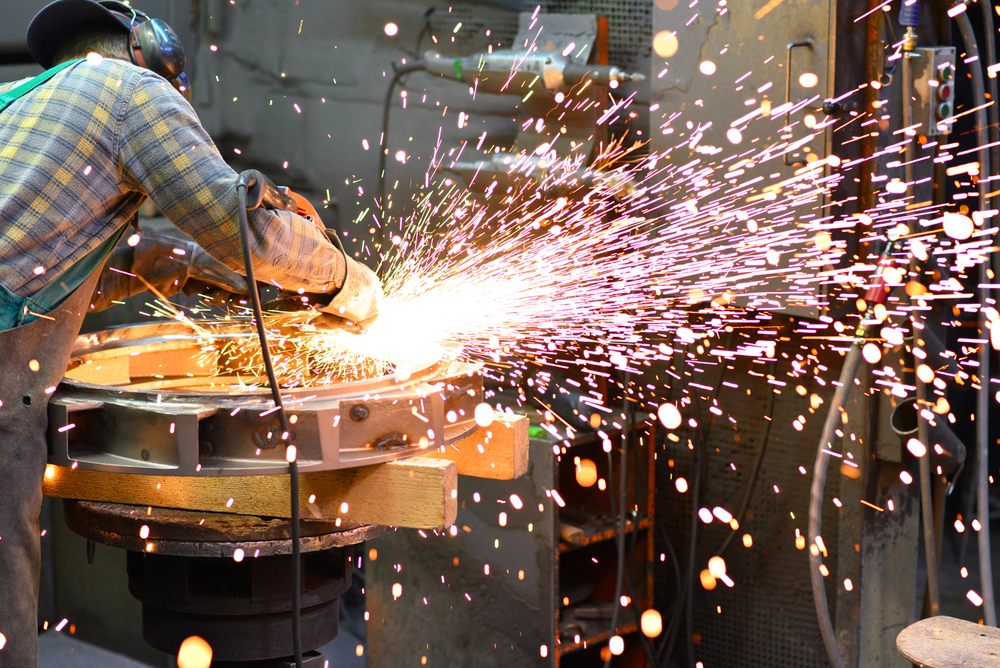
“AI can’t replace those jobs ... physical labor, such as plumbers, electricians, welders. Those are jobs that AI is not taking.”
Instead he said the first jobs starting to go are white collar roles such as programmers, artists and concept designers — those in conceptual fields and visual arts.