RIYADH: Saudi Arabia’s mineral exploration spending has jumped to SR487 ($130) per sq. km, more than double its Vision 2030 target of SR200, signaling the Kingdom’s push to become a global mining hub, a senior official said.
In an interview with Saudi newspaper Al-Eqtisadiah, Abdullah Al-Shamrani, CEO of the Saudi Geological Survey, said the Kingdom’s mineral exploration expenditure index has risen 600 percent over the past seven years.
He attributed the jump to an accelerated geological survey and exploration program in the Arabian Shield, supported by government funding and matched by private sector investment.
“In 2018, the exploration spending index in Saudi Arabia was about SR80 per sq. km, while the Vision’s target was to raise the index to SR200 per sq. km,” Al-Shamrani told Al-Eqtisadiah.
Spending reached SR226 per sq. km in 2023, already surpassing the Vision 2030 goal, before climbing to the current SR487.
Al-Shamrani added that the Kingdom’s mineral discoveries are delivering tangible results, with the estimated value of discovered mineral wealth reaching $2.5 trillion by the end of 2024 — double the 2017 estimates.
To boost investment, Saudi Arabia plans to launch quarterly mineral data packages, designed to update the national geological database and provide investors with the latest mining information.
“This unprecedented investment has enabled us to carry out our missions with remarkable success,” Al-Shamrani said, pointing to the expansion of exploration programs and advances in digital transformation.
As a result of this digital push, the Kingdom has released major new data packages, including surface geochemical survey data and aerial magnetic geophysical survey data, covering the Arabian Shield in a detailed 1:100000 scale.
By providing this pre-competitive exploratory data, the SGS aims to lower entry barriers and give investors the clarity needed to operate with confidence.
Saudi Arabia has also climbed global rankings for geological data, rising from 108th place in 2017 to 23rd currently. Al-Shamrani attributed the improvement to unified regulations, better investment laws, and proactive provision of geological information to investors.
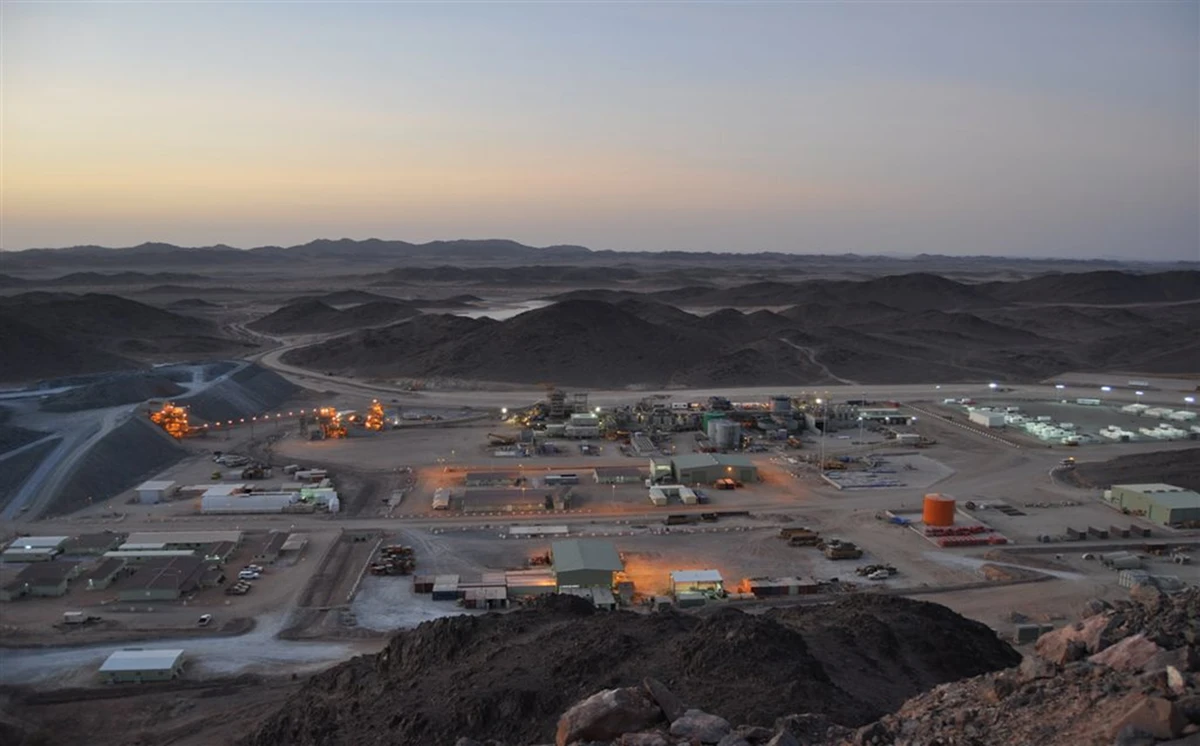
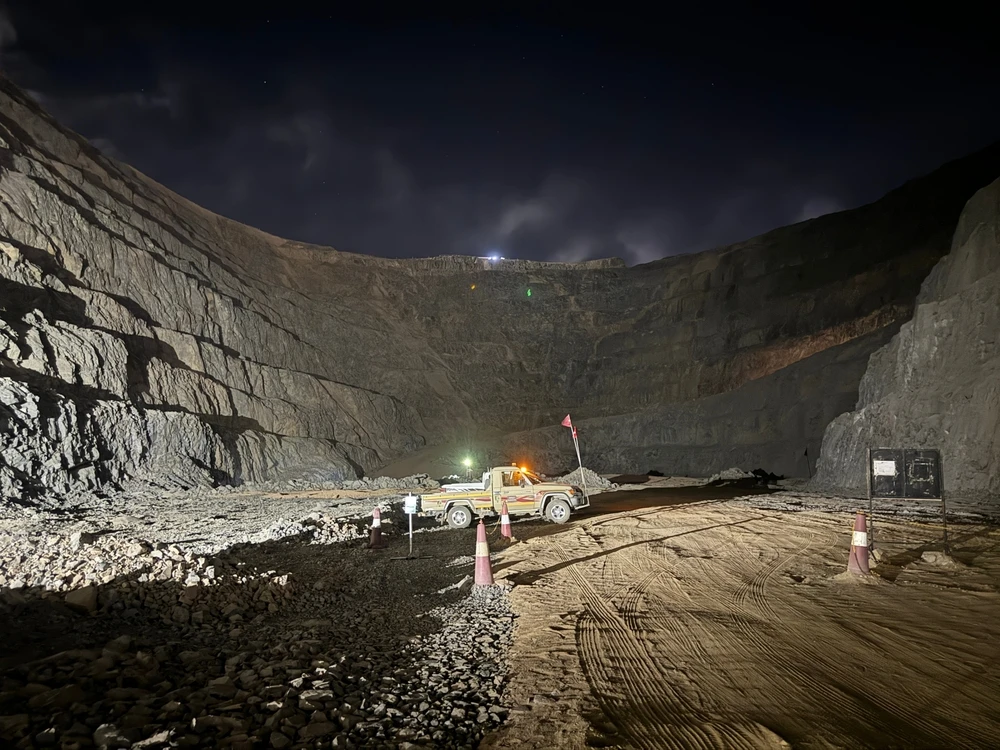
The primary focus of the exploration campaign is the Arabian Shield, an ancient geological formation rich in minerals like gold, copper, zinc, and iron that covers roughly a third of the Kingdom’s land area.
Al-Shamrani detailed the extensive work undertaken, stating that nearly 88,000 field survey samples have been collected from valleys across the Shield. Furthermore, a comprehensive aerial survey of the entire region is 93 percent complete and analyzed.
Speaking at the first GEOMIN forum, which attracted experts from over 30 countries, Al-Shamrani connected these national efforts to a global context. He emphasized that the worldwide drive toward decarbonization and the rising demand for critical minerals present a significant challenge.
The top official noted that it is essential for experts to innovate and transcend traditional methods to accelerate the discovery and supply of these essential resources to meet the needs of humanity.