- The remains of 19 hostages are still unaccounted for, with Hamas saying it would need specialist recovery equipment to retrieve the rest from the ruins of Gaza
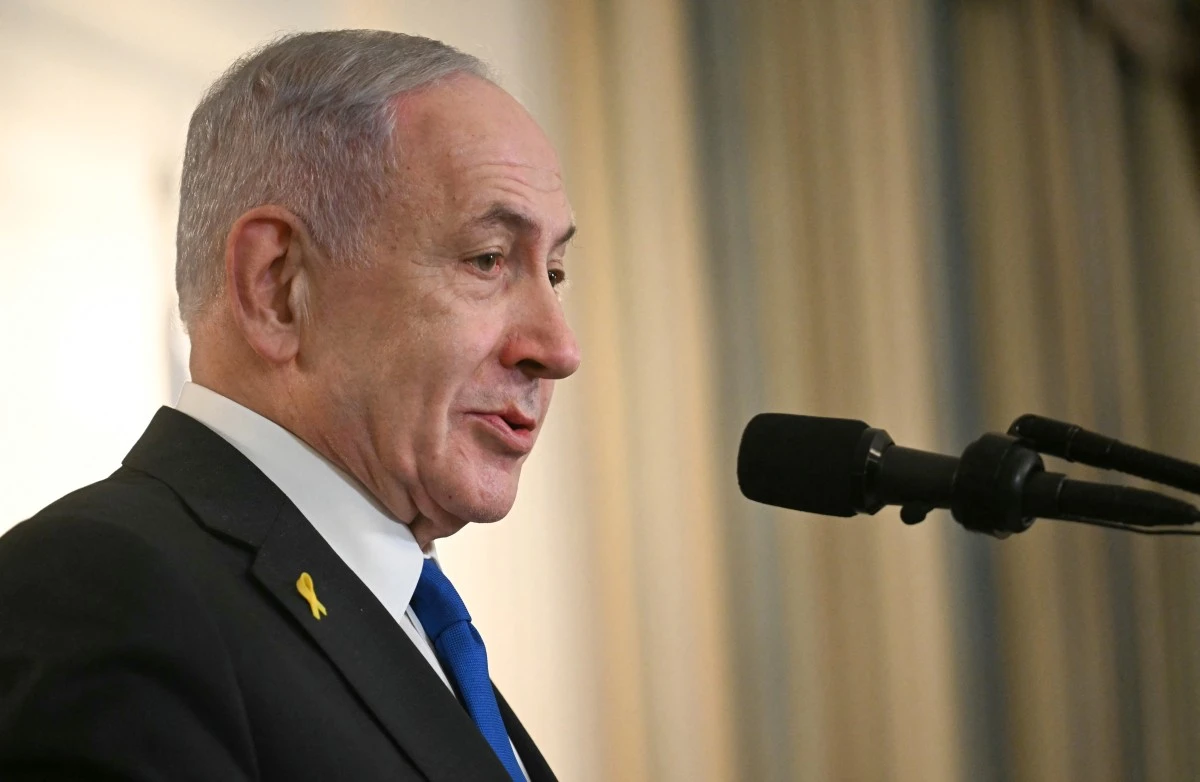
JERUSALEM: Israel’s Prime Minister Benjamin Netanyahu said on Thursday that he was determined to ensure that Hamas hands back the remains of hostages still in Gaza, adding that the fight “is not over yet.”
Under a ceasefire agreement spearheaded by US President Donald Trump, Hamas returned the last 20 surviving hostages to Israel, and said it had handed back all the bodies of deceased captives that it could access.
The ceasefire also saw the war, sparked by Hamas’s unprecedented October 7, 2023 attack on Israel, grind to a halt after two years of agony for the families of hostages, and bombardment and hunger in Gaza.
The remains of 19 hostages are still unaccounted for, with Hamas saying it would need specialist recovery equipment to retrieve the rest from the ruins of Gaza.
At a state ceremony to mark the second anniversary of the October 7 attack, Netanyahu said Israel was “determined to secure the return of all hostages.”
“The fight is not over yet, but one thing is clear — whoever lays a hand on us knows they will pay a very heavy price,” he said.
Earlier, an Israeli group campaigning for the return of the hostages demanded that the government delay implementing the next stages of the truce if Hamas fails to return the remaining captives’ bodies.
During the war, the Hostages and Missing Families Forum consistently demanded an end to the fighting to allow the return of those taken hostage during the October 7 attack.
“As long as Hamas breaches the agreements and continues to hold 19 hostages, there can be no unilateral progress on Israel’s part,” the Hostages and Missing Families Forum said.
‘Total defeat’
It urged the government to “immediately halt the implementation of any further stages of the agreement as long as Hamas continues to blatantly violate its obligations regarding the return of all hostages and the remains of the victims.”
According to Trump’s 20-point plan for Gaza, the next phases of the truce should include the disarming of Hamas, the offer of amnesty to Hamas leaders who decommission their weapons and establishing the governance of post-war Gaza.
Israel’s Defense Minister Israel Katz on Wednesday threatened to resume fighting if Hamas does not honor the terms of the agreement.
“If Hamas refuses to comply with the agreement, Israel, in coordination with the United States, will resume fighting and act to achieve a total defeat of Hamas, to change the reality in Gaza and achieve all the objectives of the war,” a statement from his office said.
But Trump appeared to call for patience in order to safeguard the deal.
“It’s a gruesome process, I almost hate to talk about it, but they’re digging, they’re actually digging,” he said of Hamas’s search for hostages’ remains.
“There are areas where they are digging and they’re finding a lot of bodies. Then they have to separate the bodies, you wouldn’t believe this. And some of those bodies have been in there a long time, and some of them are under rubble.”
The families of surviving hostages were able, after two long years without their loved ones, to rejoice in their return.
‘My children are home’
“My children are home! Two years ago, one morning, I lost half of my family. Two of my children, two of my daughters-in-law, and two of my granddaughters were lost on the face of the earth. The world collapsed on me and my family in an instant,” said Sylvia Cunio, mother of Ariel and David Cunio who were released from captivity.
“For two years, I didn’t breathe. For two years, I felt like I had no air. And today, I stand here, in front of you, and I want to shout out loud, David and Ariel are here!“
Kobi Kalfon, father of released hostage Segev Kalfon, said his son had suffered emotional and physical abuse while in captivity.
“We now start a new journey, his journey to rehabilitation. It will not be simple, but we will be with him, hand in hand,” he said.
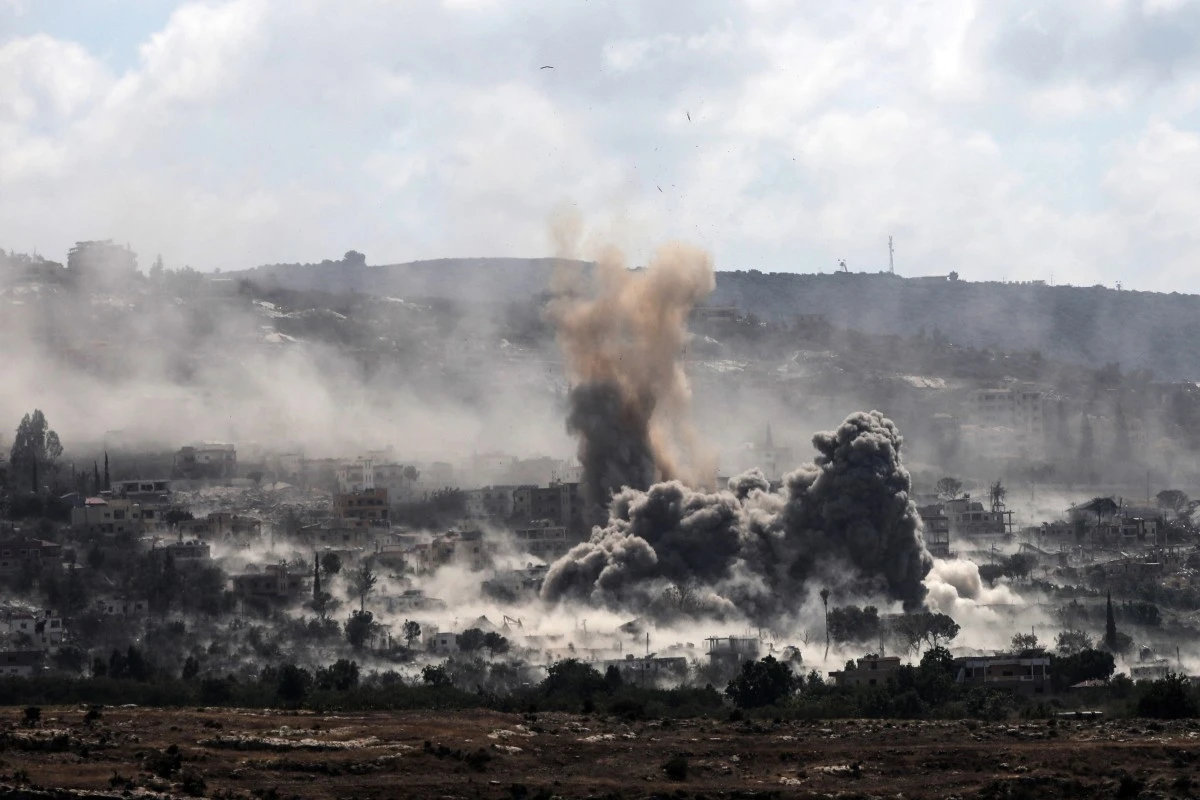
For many in Gaza, while there was relief that the bombing had stopped, the road to recovery felt impossible, given the sheer scale of the devastation.
“There’s no water — no clean water, not even salty water, no water at all. No essentials of life exist — no food, no drink, nothing. And as you can see, all that’s left is rubble,” said Mustafa Mahram, who returned to Gaza City after the ceasefire.
“An entire city has been destroyed.”
The war killed at least 67,938 people in Gaza, according to the health ministry in the Hamas-run territory, figures the United Nations considers credible.
The data does not distinguish between civilians and combatants but indicates that more than half of the dead are women and children.
The war was sparked by Hamas’s October 7 attack on Israel, which resulted in the deaths of 1,221 people, mostly civilians, according to an AFP tally based on official Israeli figures.