Saudi pharmacies charging up to 180% more than wholesalers, survey shows

Saudi pharmacies charging up to 180% more than wholesalers, survey shows
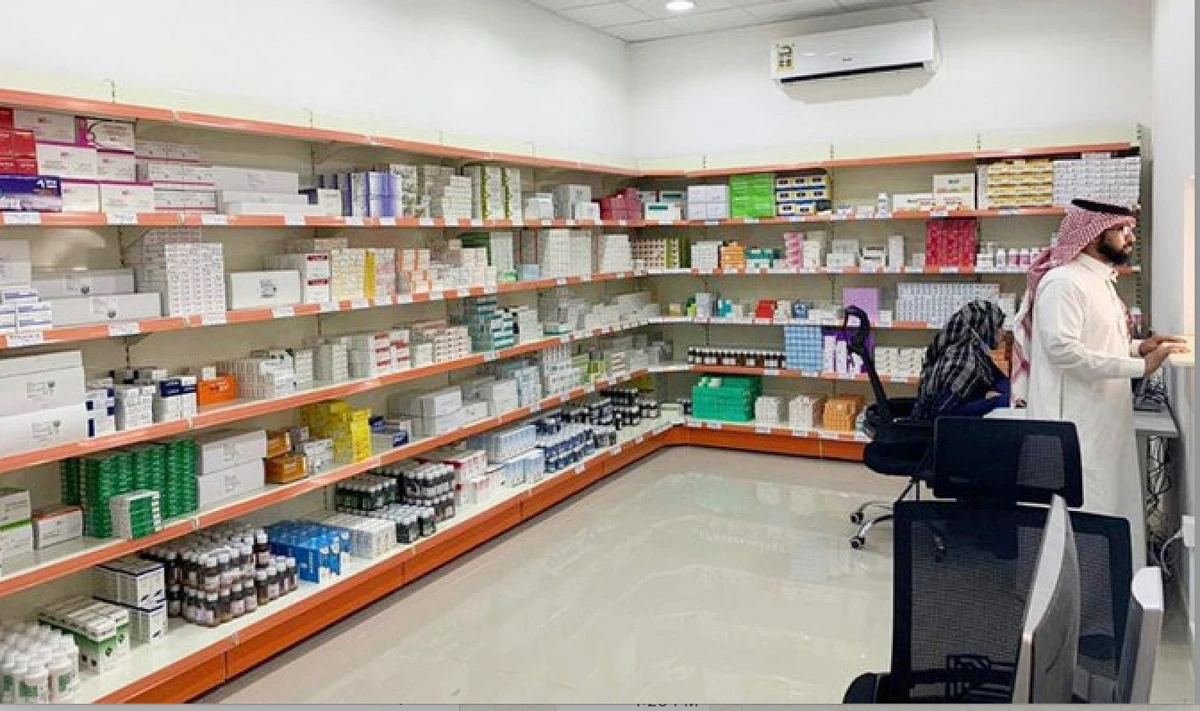
The sharp domestic price disparities highlighted by Al-Eqtisadiah come amid broader regional trends showing significant price-led growth in the beauty sector. File/SPA
Short Url
Updated 20 October 2025
Follow

Saudi pharmacies charging up to 180% more than wholesalers, survey shows

Saudi pharmacies charging up to 180% more than wholesalers, survey shows

RIYADH: Saudi consumers are facing steep price disparities for everyday personal care products, with retail pharmacies charging up to 180 percent more than wholesale outlets, according to a field survey conducted by Al-Eqtisadiah.

The investigation, which covered major pharmacy chains including Nahdi, Al-Dawaa, and Whites, as well as retail outlets such as Dar Al-Amirat and Enaya Stores, highlighted significant markups on popular items.

Cetaphil cream, for example, sold for SR42 ($11.20) at wholesale outlets, but fetched SR117 in pharmacies. Dettol soap and Koleston hair dye were similarly marked up, selling for 103 percent and 121 percent higher in retail settings, respectively.

The disparity, described by experts as irrational and unjustified, has drawn consumer complaints and prompted calls for regulatory intervention.

“Economic expert Mohammed Al-Abbas explained that differences of up to 150 percent exceed reasonable limits, noting that normal profit margins do not exceed 15 percent of the cost,” Al‑Eqtisadiah reported, adding that he urged the Competition Authority to study the market and regulate practices.

The Saudi Food and Drug Authority told Al‑Eqtisadiah it monitors pharmacies, including wholesale and private outlets, through direct inspections and joint campaigns with other government entities.

Professor Saad Al-Talhab, a dermatology consultant, said consumers struggle to make purchasing decisions amid these price gaps and called for closer monitoring of pricing mechanisms.

Abdulwahab Al-Qahtani, professor of economics at Al Yamamah University, said low consumer awareness enables some pharmacies to impose significantly higher prices.

The sharp domestic price disparities highlighted by Al-Eqtisadiah come amid broader regional trends showing significant price-led growth in the beauty sector.

According to NielsenIQ, the beauty industry recorded a 7.3 percent increase in value year on year, with the Africa–Middle East region posting a 27.1 percent surge. Analysts attribute much of this growth to inflationary pressures rather than a corresponding rise in product volume, indicating that higher unit prices are driving revenues across the region.

According to the General Authority for Statistics, Saudi Arabia’s imports of beauty and personal care products reached SR48.8 billion over the past five years, with an annual average of SR9.7 billion. Imports in the first half of 2025 totaled SR5.4 billion, suggesting this year’s figures may exceed the five-year average.

France was the largest supplier during the period, exporting SR9.4 billion worth of products to the Kingdom, accounting for 19 percent of total imports.

The Kingdom’s dependence on diverse international sources has placed greater responsibility on storage facilities and distributors to ensure uninterrupted supply and compliance with transportation and storage standards.

Sector analysts indicate that a rise in commercial registrations points to growing investor interest and a widening distribution network across both major cities and peripheral regions, according to Al-Eqtisadiah.

As of September, the Ministry of Commerce reported approximately 6,700 commercial licenses for wholesale pharmaceutical sales and 6,300 licenses for cosmetic product storage, reflecting the expansion of the sector and its increasing reliance on organized distribution channels.
Global startups connect with Saudi vision at Biban Forum 2025 

Global startups connect with Saudi vision at Biban Forum 2025 
Updated 07 November 2025
Follow

Global startups connect with Saudi vision at Biban Forum 2025 

Global startups connect with Saudi vision at Biban Forum 2025 

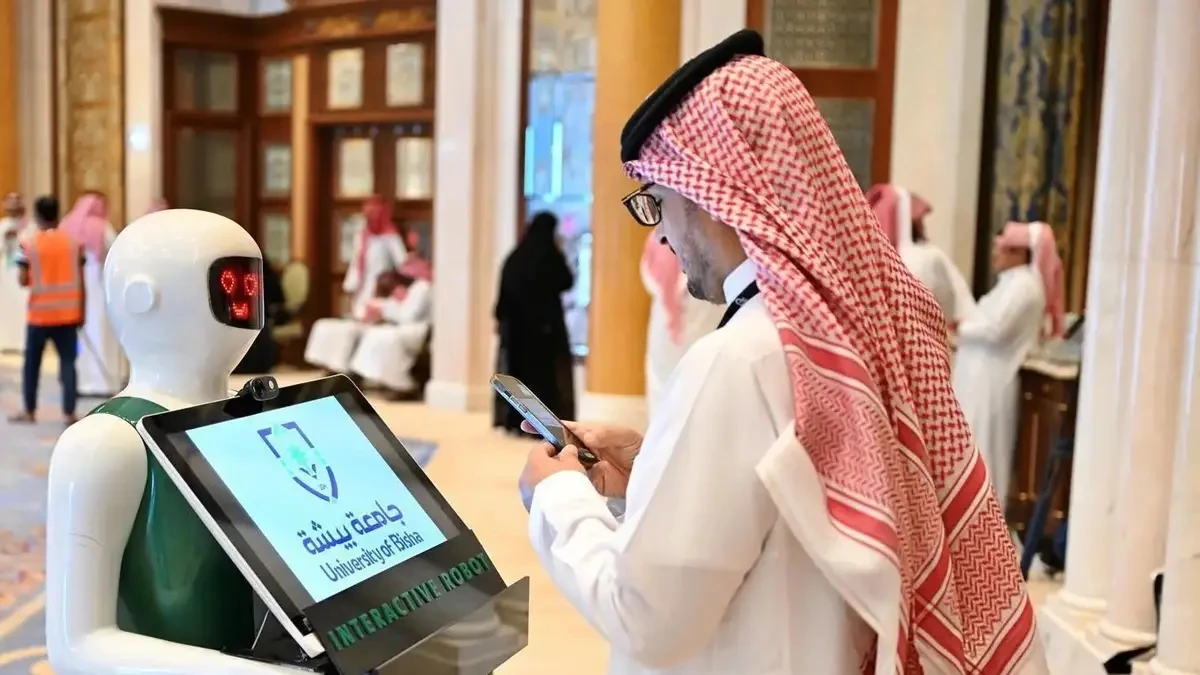
RIYADH: Biban Forum 2025 has once again cemented Saudi Arabia’s role as a global hub for entrepreneurship and innovation, gathering startups, investors, and business leaders from around the world under one roof at Riyadh Front Exhibition and Conference Center. 

Organized by the Small and Medium Enterprises General Authority, known as Monsha’at, under the theme “A Global Destination for Opportunities,” the event aimed to empower entrepreneurs and strengthen the Kingdom’s position as a destination for business and investment in line with Vision 2030. 

Since its inception in 2017, Biban has grown into the Middle East’s largest entrepreneurship forum. 

The 2025 edition featured representatives from more than 150 countries and over 200 speakers from around the world, alongside thousands of local and international exhibitors. 

The forum’s diverse “doors,” or thematic sections, covered every stage of the entrepreneurial journey — from funding and e-commerce to franchising and global expansion — creating a platform for collaboration and growth across industries and borders. 

Biban 2025 underscores the growing confidence in Saudi Arabia’s entrepreneurial landscape. AN/Jafa Al-Saleh

Among the international participants was South Korea’s technology giant Naver, part of a Korean delegation of startups supported by the Korea Institute of Startup and Entrepreneurship Development. 

Interpreter Jeongmin Han, representing the group, said it was his first time in Saudi Arabia and emphasized the potential for cooperation between the two countries. 

“I think it’s very important for Korean companies to have a base here,” he said. “Saudi Arabia offers a great opportunity and serves as a bridge for expanding business across the Middle East. It’s the best place to start.” 

Also participating was Ager Point, a US technology company specializing in artificial intelligence and data solutions for the agriculture and natural asset markets. 

CEO Kevin Lang described the experience as “an exciting time to be in Saudi Arabia.” He said: “We think it’s really important to be at Biban. It’s our first time in the Kingdom, and it’s such an exciting moment to contribute to Vision 2030 goals — especially around food security and the management of critical resources like water.” 

Lang added that the forum’s collaborative atmosphere provided valuable opportunities to meet entrepreneurs, government representatives, and investors eager to implement technology-driven solutions. 

“If we can find proof-of-concept or pilot projects that allow us to showcase what we can do,” he said, “we can evolve our technology alongside the challenges being addressed here in Saudi Arabia and across the Arabian Peninsula.” 

The forum connects local innovators with global investors. AN/Jafa Al-Saleh

Local talent was equally prominent at the forum. Saudi entrepreneur Hadi Al-Yami, founder of The Bees Basket, showcased his startup dedicated to honey and hive-based products. 

“We are a new company in Saudi Arabia working to prove ourselves and expand,” he said. “We produce high-quality honey and participate in international competitions, and now we want to grow into the medical and tourism sectors.” 

Al-Yami praised Biban for providing a platform for emerging Saudi entrepreneurs to network and gain visibility, encouraging others to take part in future editions. 

Biban has become a cornerstone of Saudi Arabia’s strategy to diversify its economy and nurture a vibrant SME ecosystem. 

The forum not only connects local innovators with global investors but also reinforces the Kingdom’s image as a destination where ideas can evolve into sustainable enterprises. 

By attracting participants from every continent, Biban 2025 underscores the growing confidence in Saudi Arabia’s entrepreneurial landscape and its alignment with Vision 2030’s goal of positioning the Kingdom as a global hub for innovation and opportunity.