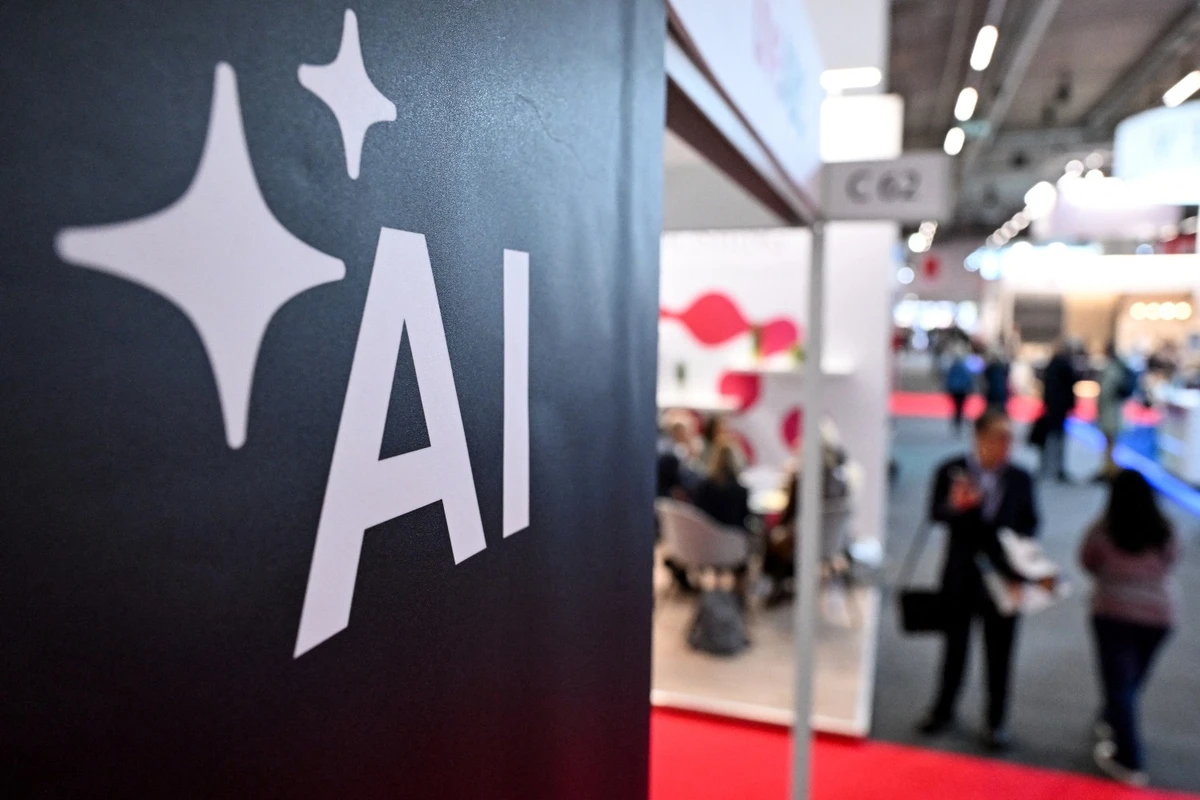

It was refreshing to hear the head of Google’s parent company, Alphabet, last week warn that us mortals ought not to “blindly” trust everything artificial intelligence tools throw at us, as they are prone to errors. But the real problem is how much anyone in our tech giant and AI-dominated world — which has little in the way of regulation — can question the tools that are multiplying every day. Do any of us have the time to think critically in ways that oppose the machine?
Society has been moving at breakneck speed toward dependence on tech tools — whether we like it or not and whether or not this damages the cornerstones of knowledge and education.
People young and old are being left increasingly at the mercy of the machine: in the workplace, at home and at school. They are even seeking ChatGPT’s advice on critical questions concerning school lessons and exams or how to manage their lives. Hence, we should beware how far the line between AI-generated “knowledge” and genuine human knowledge has become blurred. Especially when you hear that not only are students using AI to cheat, but also that educators are increasingly relying on such tools to create coursework and exam material.
Just last week, students at the University of Staffordshire in England claimed that they felt “robbed of knowledge and enjoyment” after investing in a course they hoped would help launch their digital career, only for it to be taught in large part by AI.
Society has been moving at breakneck speed toward dependence on tech tools — whether we like it or not
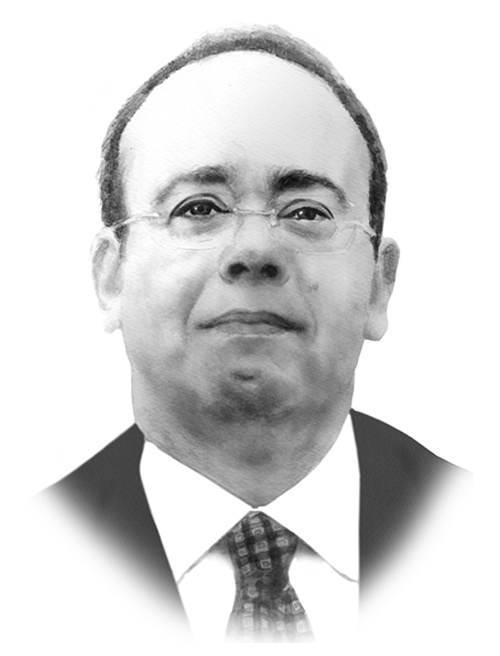
Mohamed Chebaro
Those students are not alone, as academic institutions around the world are, like other sectors, increasingly using AI tools to do their work for them. While some teachers applaud this innovation, claiming it is transforming education, many students are posting negative online reviews about professors who use AI to write their feedback or generate material for their course.
Teachers — and society generally — should be careful what they wish for. As the machines get smarter due to our usage, after scraping and digitizing human knowledge, today’s trends will only grow. People use them not only to summarize complex legal texts, explain wordy and obscure guidelines, or diagnose health problems and the side effects of certain medicines, but some are also relying on the machine to break their loneliness or enlighten them with behavioral tips and dating advice.
Reliance on such tools is infiltrating every aspect of human life and most people are welcoming them, despite the warnings that knowledge and critical thinking are in danger. And no one suffers more than the youth, who at their tender age are impressionable and could easily be at the mercy of AI tools. Research has shown that many young people remain guarded about not following the advice of AI tools blindly, but until when? And what are the guarantees that the knowledge anchors these tools have relied on so far will remain available tomorrow?
One should legitimately ask the likes of Alphabet’s Sundar Pichai how people can guard against blindly believing what AI tools are telling them at a time when we can hardly differentiate between what is real and what is machine-aggregated in terms of data, images and even speech.
Reliance on such tools is infiltrating every aspect of human life and most people are welcoming them, despite the warnings
Mohamed Chebaro
It is fine for tech companies to be sensitive about regulation in the early stages of their product development but, as these innovations take center stage, should they not do more to warn about what is artificial and what is not? And should they not take responsibility for errors when they occur and not just blame the poor judgment of the victims of the intrusion of super-fast digital tools into our lives?
Those executives used to hide behind their uncertainty and the new applications they live-tested on humans. And it is true, people everywhere are lapping up the novelty for fear of missing out. But those executives increasingly know where the world of tech is headed.
One of them, Dario Amodei, CEO of the AI startup Anthropic, asked companies to be transparent about the risks posed by their newly launched tools or be in danger of repeating the mistakes of tobacco and opioid firms, which failed to raise red flags over the potential health damage caused by the products they created. Amodei warned that he expects AI tools to become smarter than “most or all humans in most or all ways.” He also warned this year that AI could eliminate half of all entry-level white-collar jobs — such as in accounting, law and banking — in less than five years.
Unlike others, Amodei is known for voicing concerns about online safety, accountability and responsibility. He has flagged various concerns and even revealed how his company’s Claude code had been used in intrusion and blackmail cases. He said that Anthropic was concerned that Claude had operated largely independently throughout a September attack on 30 entities worldwide by a China-based group, with up to 90 percent of the operations performed without any human involvement.
In their infancy, AI tools seem to be able to blur the line between fact and fiction. After a few more years of development, the words uttered casually by AI executives might become reality, with these tools overtaking humans in every aspect. They are not far from leading rather than being led.
- Mohamed Chebaro is a British-Lebanese journalist with more than 25 years’ experience covering war, terrorism, defense, current affairs and diplomacy.