


Ethiopia’s completion of the Grand Ethiopian Renaissance Dam in 2025 marked a turning point in the long-standing dispute over the Nile River. For Egypt, the dam poses a serious threat to its water supply, which relies almost entirely on the Nile. Ethiopia, on the other hand, sees the dam as a necessary step for its development and energy needs.
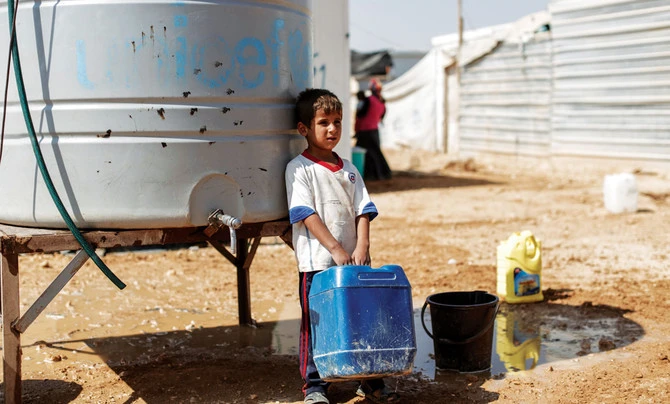
This growing tension is just one example of how water scarcity is becoming a major issue in the Middle East and North Africa region, with countries competing for control over increasingly limited resources. As water becomes scarcer, the risks of conflict over shared resources are rising, threatening regional stability.
Water has always been a central factor in the development of civilizations. Ancient Sumerians, Egyptians and other early societies depended on river systems like the Tigris, Euphrates and Nile to thrive. These rivers were more than just natural resources, they were the backbone of agriculture, trade and the very survival of these civilizations. For them, water was a source of life.
The ancient Egyptians referred to the Nile as the “Gift of the Nile,” viewing it as the divine source of all life. Similarly, the ancient Iranians held water in reverence as the source of life, nourishing plants, animals and humans alike. In their cosmology, water was considered the second of the seven “creations” that divided the world. This intimate connection between water and power continues today, with nations in the MENA region fiercely vying for control over shared water resources.
The ongoing dispute over the Grand Ethiopian Renaissance Dam is a clear example of how water, once seen as a source of life, is now viewed as a tool of power and leverage. As such, the issue is not just about dam construction, it is about sovereignty over a river that is vital to the survival of multiple nations.
This dispute has escalated despite years of diplomatic efforts to find common ground. Ethiopia completed the filling of the dam’s reservoir but, as yet, no binding agreement on water release schedules or dispute resolution has been reached between Ethiopia, Egypt and Sudan.
For Sudan, the issue is complicated. In fact, the dam promises hydroelectric power, but there are concerns about its impact on water availability, particularly during droughts. Tensions have been exacerbated by the broader issue of water scarcity in the region, which is only intensifying with climate change.
MENA is home to some of the world’s most water-stressed countries, with per capita water availability well below the threshold of absolute water scarcity. Iraq and Syria, for instance, are highly vulnerable to water shortages, especially as upstream countries such as Turkiye and Iran control the flow of key rivers.
Turkiye’s damming of the Euphrates and Tigris has drastically reduced water flow to Iraq and Syria, contributing to water shortages and ecosystem degradation. In 2025, Turkiye agreed to temporarily release additional water to Iraq amid severe drought conditions, but such gestures fail to address the underlying issue of water allocation. As the flow of the Tigris and Euphrates diminishes, Iraq’s agricultural sector, already reeling from conflict, faces the prospect of further collapse. Meanwhile, Syria is unable to invest in long-term water solutions, exacerbating the country’s vulnerability.
The absence of a unified regional strategy has made it difficult for MENA countries to tackle the growing crisis effectively.
Zaid M. Belbagi
The effects of climate change, coupled with rapid population growth and poor water management, are driving the region toward a critical juncture. By 2050, water scarcity in MENA is projected to result in a significant reduction in gross domestic product, with Iraq and Syria expected to bear the brunt of the economic fallout. Agriculture, a key pillar of these nations’ economies, is already experiencing a decline due to water shortages. With water becoming a more valuable commodity, the risk of conflict over this scarce resource is growing.
However, despite the growing tensions, there are efforts to address these challenges through regional diplomacy. Organizations such as the Arab Water Council and the Arab League’s Council of Water Ministers are playing an important role in fostering dialogue between countries. But these efforts have been largely limited in scope and the region has yet to achieve a comprehensive framework for managing shared water resources.
The lack of formal agreements on transboundary water governance, such as those for shared groundwater aquifers, remains a major obstacle. The 1997 UN Watercourses Convention, which aims to regulate the use of shared water resources, has yet to be ratified by most countries in the region, leaving water disputes largely unmediated and prone to escalation.
One of the few examples of successful cooperation can be seen in the relationship between Jordan and Syria, as these two countries have made progress in reengaging over shared water resources. Similarly, Turkiye and Iraq have made strides in addressing water infrastructure challenges. But these efforts remain piecemeal and fail to address the broader issues of transparency and long-term climate resilience. The absence of a unified regional water strategy has made it difficult for MENA countries to tackle the growing crisis effectively.
The need for a more robust regional water diplomacy framework has never been clearer. With water becoming an increasingly strategic resource, cooperation is the only viable path forward. The failure to resolve disputes such as the Grand Ethiopian Renaissance Dam crisis or the Tigris-Euphrates tensions could lead to larger, more destabilizing conflicts in the future. The region must overcome its historical political divisions and commit to shared water governance models that prioritize sustainability and equitable distribution. The role of regional forums, such as the Arab Water Forum, which brings together governments, civil society and international organizations, will be crucial in facilitating dialogue and building trust among nations.
Water scarcity is not just an environmental issue, it is a political, economic and security issue. The future of the MENA region depends on the ability of its nations to work together to ensure that this vital resource is managed sustainably. Without stronger political will and international cooperation, the region risks a future where water conflicts become the norm, rather than the exception.
The price of inaction will be high, not only in terms of economic losses but in the potential for violence and instability that could spill across borders. Now is the time for the region to prioritize water diplomacy and ensure that its future is not defined by scarcity and conflict but by cooperation and shared prosperity.
- Zaid M. Belbagi is a political commentator and an adviser to private clients between London and the Gulf Cooperation Council. X: @Moulay_Zaid


