- 4 Palestinians, an Israeli soldier and an Israeli settler were killed during the violent confrontation
- Investigators unable to rule out possibility the settler was killed by friendly fire from Israeli forces
LONDON: An Israeli military probe found that an unauthorized settler “hike” preceded a deadly clash on July 24 in the occupied West Bank village of Tell, southwest of Nablus, and that not enough troops were deployed to respond to the violence.
Investigators also said they could not rule out the possibility that Israeli forces shot one of the two Israelis who were killed, a member of a nearby settlement’s civil defense squad who rushed to the scene, The Times of Israel reported.
The army’s Samaria Regional Brigade learned of the planned hike by settlers the night before it took place but could not determine the route or contact its organizers. A military official said it would not have been approved because it passed through the restricted Areas A and B of the West Bank, including a Palestinian village. Israeli police were said to be investigating the organizers.
Israeli activist Aviv Tatarsky said settler hikes through Palestinian villages were “not very rare.”
He told Arab News: “They may take place weekly, often with an explicit declaration: ‘We are showing ownership. This land is ours and maybe Palestinians should not be here at all.’ So calling it a ‘hike’ is, of course, misleading.”
There can be incidences of vandalism or assaults on Palestinians during such activities, he added, and the very use of the term “hike” also obscures a fundamental imbalance.
“In any case, do Palestinians have the right to tell armed settlers, ‘We don’t want you in our village. By what right are you coming here?’” Tatarsky asked.
“You would never have a Palestinian hike allowed into an Israeli settlement.”
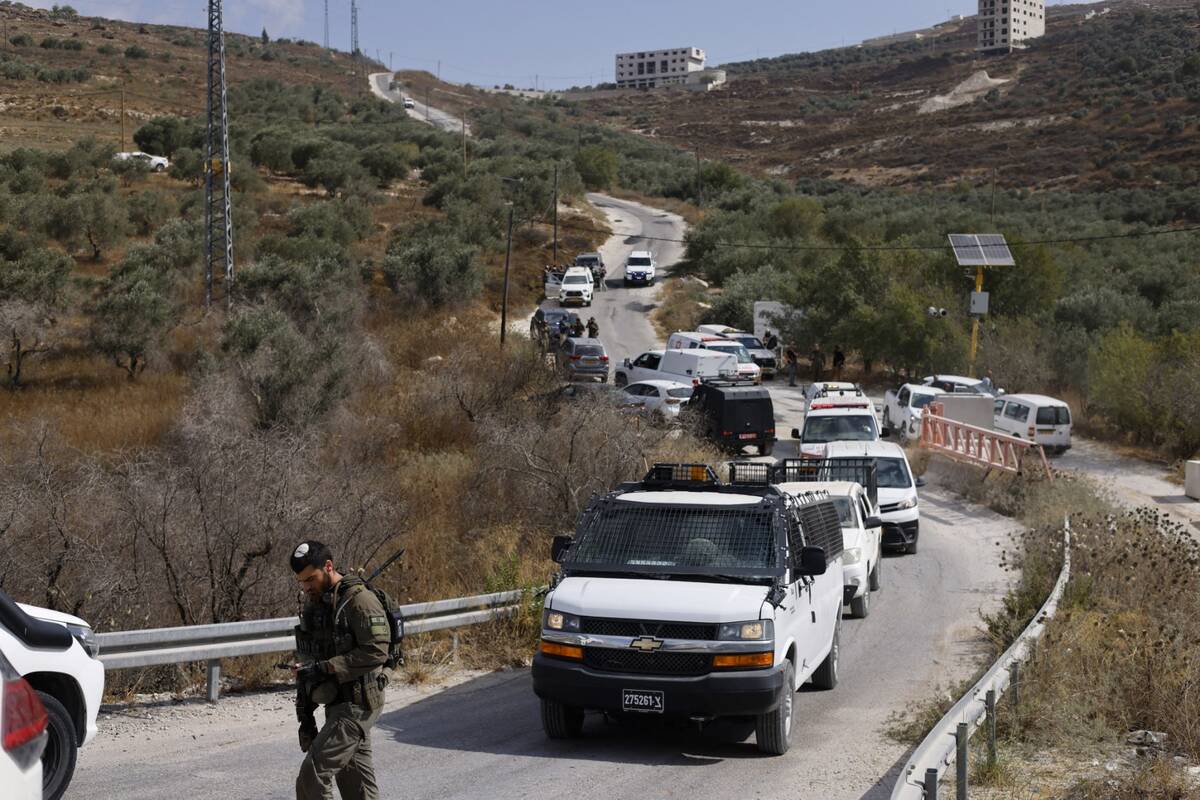
In fact, Israeli forces and settlers also prevent many Palestinian farmers from accessing land close to settlements, he said, “so the term ‘hike’ is highly dubious.”
Witnesses interviewed by Human Rights Watch said between 40 and 50 settlers, including children, entered Tell from the east on July 24, threw stones at Palestinian homes and attempted to force their way inside. A confrontation ensued during which, the witnesses said, an armed settler wounded a Palestinian man before the group retreated.
About 30 minutes later, the settlers returned from the southwest, accompanied by Israeli soldiers, a resident told Human Rights Watch. The troops did not intervene until a Palestinian man disarmed a settler and began firing at the soldiers and settlers.
“The army fired back and killed point-blank the (Palestinian) carrying the weapon, and settlers and soldiers shot the other three unarmed Palestinians,” the resident said.
In addition to the four Palestinians, an Israeli soldier and settler were also killed, and several Palestinians were wounded.
The military investigation found that the settlers had briefly entered the more heavily restricted Area A before returning to Area B as they headed toward the Havat Gilad settlement. Investigators said soldiers were authorized to use live ammunition, but concluded that the force sent to the scene of the confrontation “was too small relative to the scale of the violent incident, the number of hikers, and the number of attackers.”
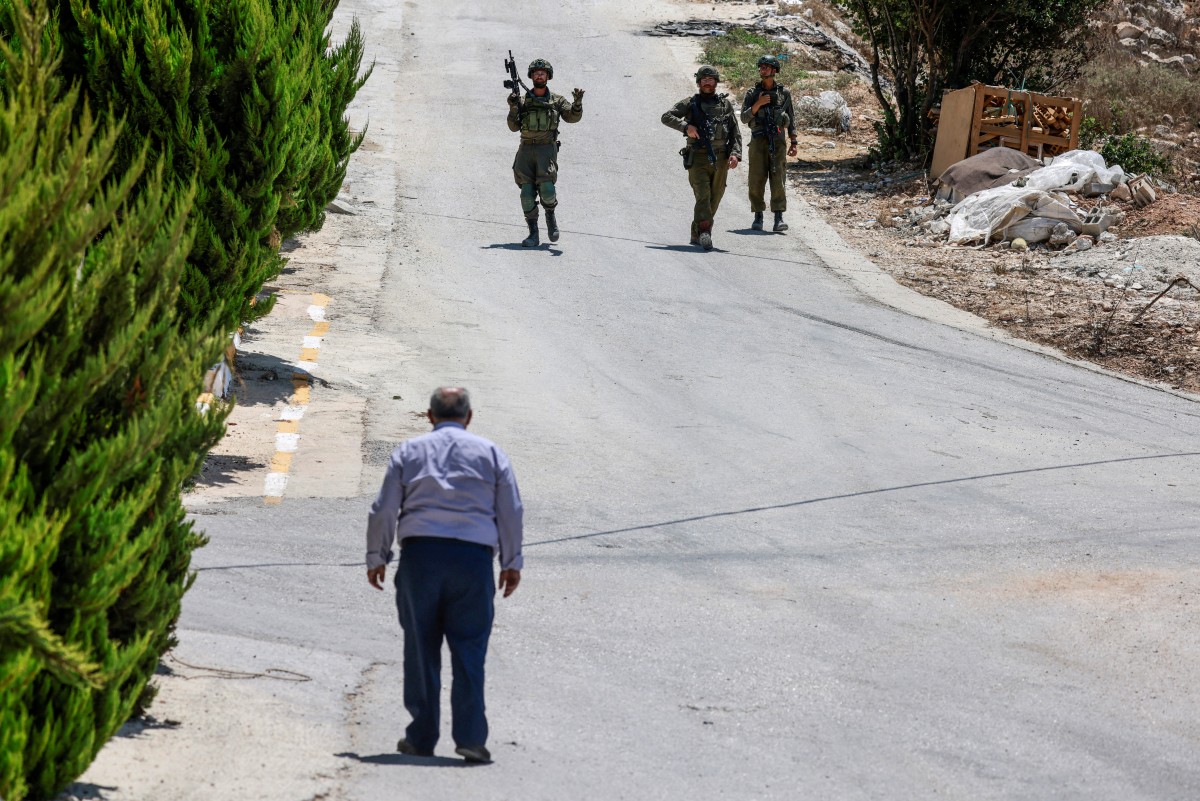
To Palestinians, such incursions are “a clear manifestation of apartheid,” Tatarsky said
“Israelis can do whatever they want, including entering Palestinian space,” he added. “Maybe they will cause damage, maybe they will not. Maybe they will attack someone, maybe they will not. They are allowed to do anything, Palestinians are allowed to do nothing.”
He questioned whether Palestinians should be expected to simply accept such incursions.
“Are Palestinians allowed to be angry at extreme settlers walking through their villages?” Tatarsky asked. “Or are they expected to contain that anger and accept whatever happens?
“If anyone believes there was something legitimate about the settler raid on the village, their answers to those questions may follow from that. If people understand apartheid, they may answer them differently.”
In the aftermath of the incident in Tell, raids by Israeli forces and settlers, attacks, demolitions and road closures intensified across the occupied West Bank, according to media reports.
Israel’s prime minister, Benjamin Netanyahu, also pledged to accelerate the legalization of settler outposts and establish new ones. Since July 24, settlers have established 13 new outposts in the area around Tell, some close to the village, The Times of Israel reported.
The Israeli finance minister, Bezalel Smotrich, has called for the destruction of Palestinian homes and villages, saying that they “should look like the refugee camps in Nablus and Tulkarem,” a reference to areas in the West Bank that were devastated in January 2025 during an Israeli military operation that Human Rights Watch said amounted to “war crimes, crimes against humanity and ethnic cleansing.”