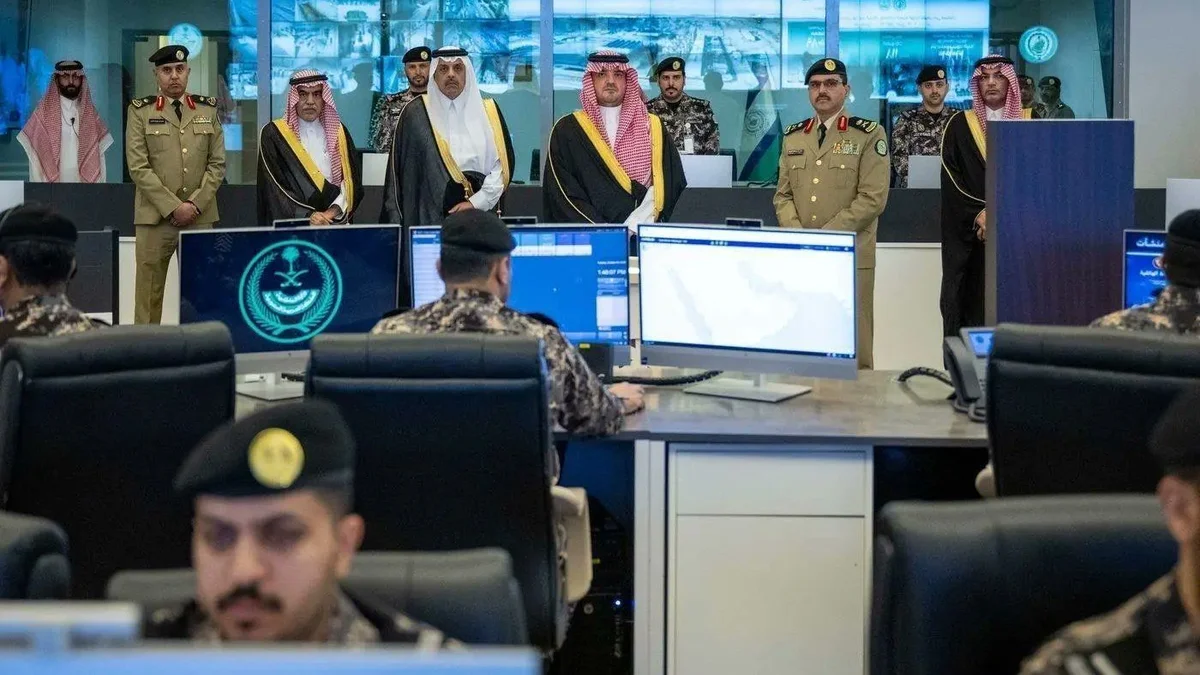

- The findings come from Coursera’s latest AI-Human Skills Synergy Index, which ranked Saudi Arabia third in MENA
RIYADH: Saudi Arabia’s accelerating investment in artificial intelligence is increasingly reflected in how people learn and work, with new data showing surging demand for AI-related skills and professional credentials across the Kingdom.
The findings come from Coursera’s latest AI-Human Skills Synergy Index, released this month, which ranked Saudi Arabia third in the Middle East and North Africa, and 25th globally among 98 countries.
According to the report, enrollments in AI courses in the Kingdom grew 39 percent year on year, driven by strong interest in machine learning, data analytics and large language model applications. More advanced areas saw even faster growth, with generative AI enrollments rising 76 percent, agentic workflow courses increasing 182 percent and AI security enrollments jumping 224 percent.
The figures come as Saudi Arabia continues to expand its ambitions under Vision 2030, which include developing a larger pool of AI specialists and growing the Kingdom’s technology ecosystem.
Coursera attributed the Kingdom’s performance to a combination of government support, business adoption and sustained investment in artificial intelligence talent.
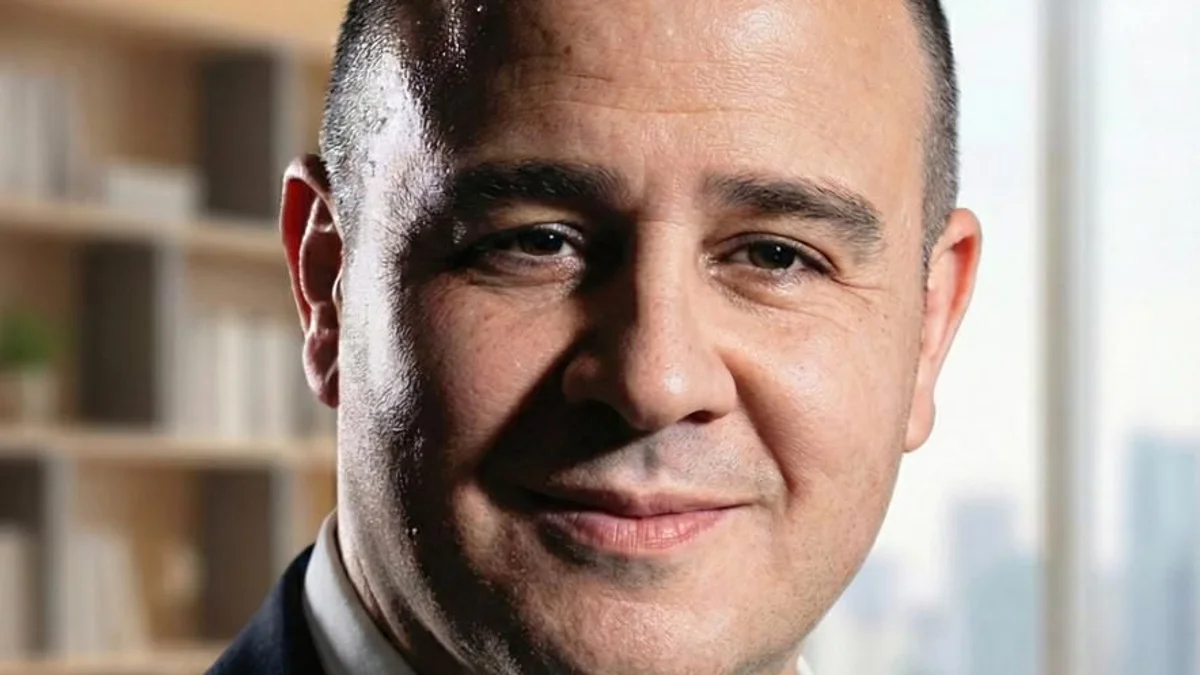
“Several factors help explain these results: strong national support for AI, access to technical talent, and collaboration between technology and business teams,” said Kais Zribi, Coursera’s general manager for the Middle East and Africa.
The report suggests that Saudi learners are not focusing solely on technical expertise. Instead, many are pairing AI capabilities with skills traditionally associated with leadership and decision-making.
Among the most common combinations identified were generative AI and people management, AI and machine learning foundations with emotional intelligence, and data analytics with strategic thinking.
The trend reflects a growing recognition that as AI tools become more widely available, employers are increasingly looking for workers who can combine technical knowledge with business judgment and communication skills.
The report also found growing demand for micro-credentials, short, skills-focused certifications that allow learners to demonstrate competency in specific areas.
Micro-credential enrollments in Saudi Arabia rose 28 percent over the past year, while AI-related micro-credential enrollments increased 62 percent.
With 69 percent of employees now using AI in their work, Zribi said organizations should pay close attention to how workers are already interacting with the technology.
“For employers, employees’ experience is an important starting point for understanding where the technology is useful, what obstacles people encounter and which applications deserve wider support,” he said.
He added that closer coordination between universities, employers and government institutions will be essential as demand for AI talent continues to grow.
“Learning pathways should help people build strong technical foundations, apply them to relevant industry challenges and demonstrate their readiness for specialist roles,” Zribi said.
While enthusiasm around AI remains high, experts warn that success depends less on adopting tools than integrating them into everyday work.
“Experimentation asks whether AI can do a task. Integration asks whether the process now runs better, every day, with someone accountable for it,” said Yash Thakker, founder and CEO of AISOLO Technologies, and an instructor on Udemy.
Thakker said organizations often achieve better results when they focus on solving a specific problem rather than chasing the latest technology trend.
“My advice is to start with one specific problem and define success before choosing the tool,” he said.
For workers seeking to build careers in AI, the most valuable skill remains the ability to break complex challenges into manageable steps and evaluate outcomes critically, he added.
“The first skill I would prioritize is structured problem-solving: Breaking a task into manageable steps and deciding what a good result looks like,” he said.
The report suggests Saudi Arabia’s AI ambitions are now moving beyond government strategy and investment plans into classrooms, workplaces and professional development programs, as businesses and workers prepare for an economy increasingly shaped by artificial intelligence.