- Saudi presidency focused on reforms to enhance ALECSO's governance, operations and responsiveness since May 2024.
- Saudi Culture Minister Prince Badr condemned Houthi attacks as violations of international law threatening regional security.
RIYADH: Saudi Arabia handed the presidency of the Arab League Educational, Cultural and Scientific Organization’s General Conference to Oman on Thursday, highlighting institutional reforms and calling for Arab solidarity amid what it described as continuing Houthi attacks.
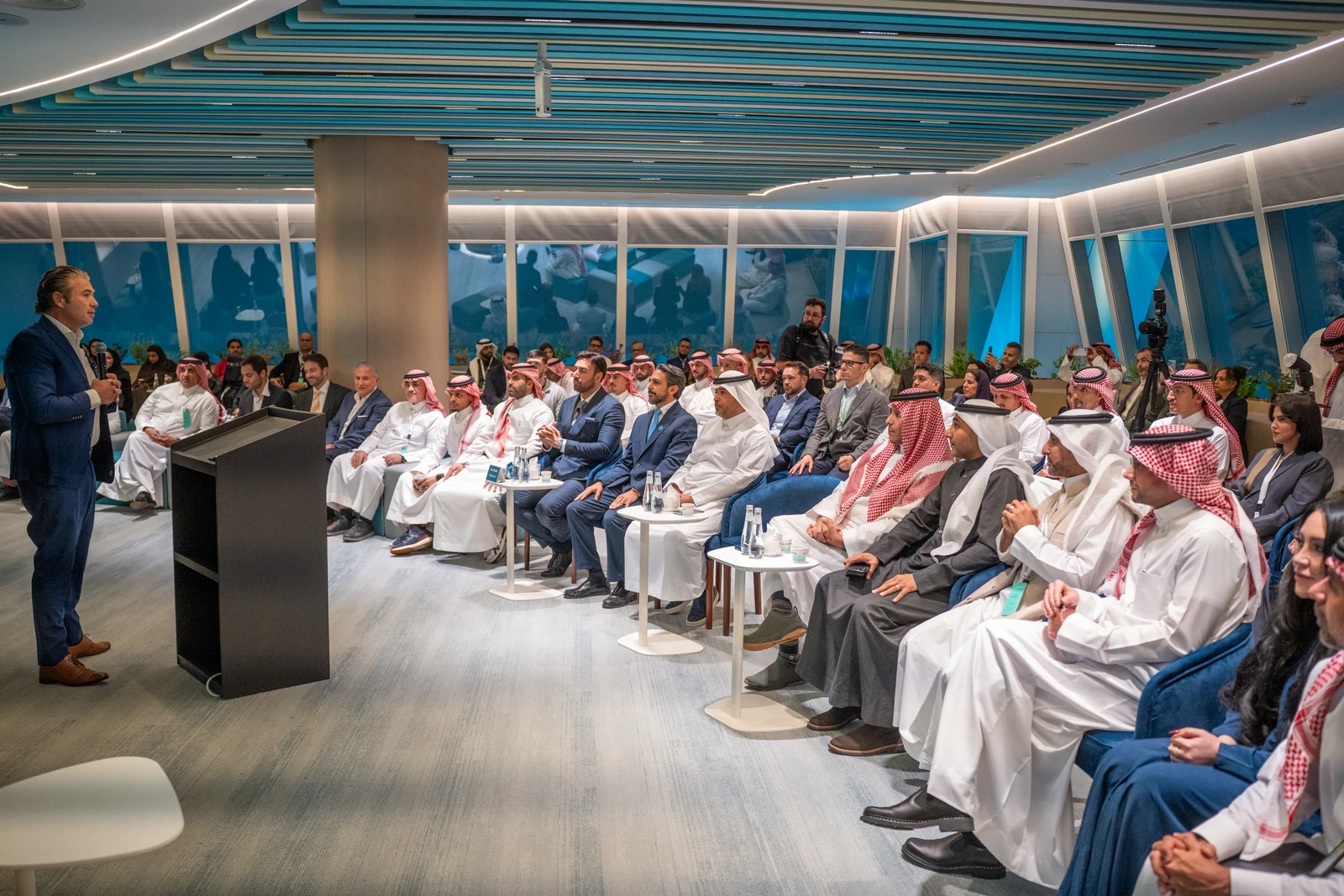
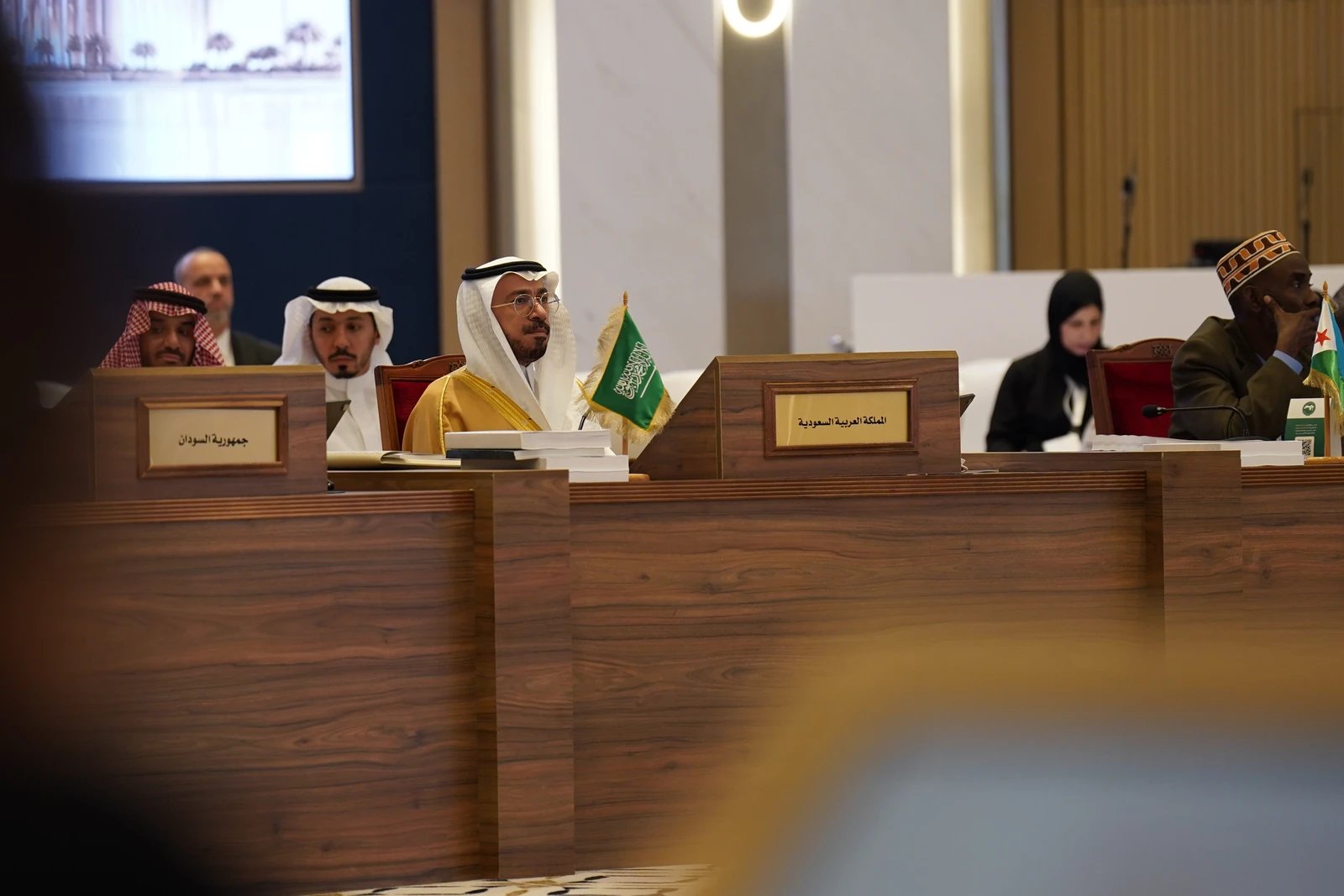
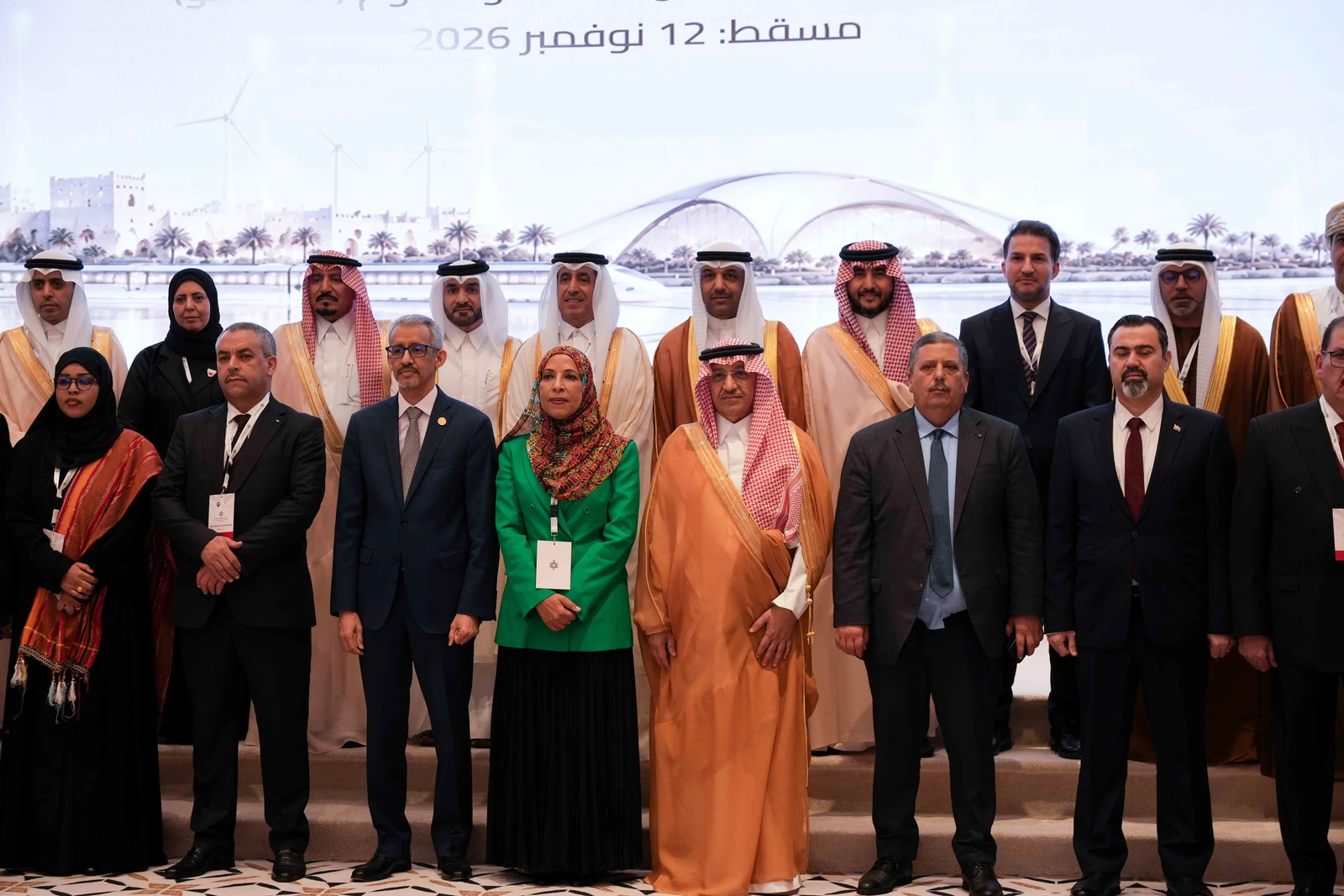
The handover took place at the opening of the conference’s 28th session in Muscat, attended by ministers and delegation heads from Arab member states.
In a speech delivered on his behalf by Education Minister Yousef bin Abdullah Al-Benyan, Saudi Culture Minister Prince Badr bin Abdullah bin Farhan condemned attacks by Yemen’s Iran-backed Houthi militia against the Kingdom’s territory, civilian infrastructure and holy sites.
He described the attacks as violations of international law that threatened regional security and international shipping.
“The Kingdom affirms its inherent right to protect its security, sovereignty, citizens and residents,” he said, adding that protecting Islam’s two holiest mosques and their visitors was a “non-negotiable priority.”
Prince Badr thanked countries and organizations that had expressed solidarity with Saudi Arabia, saying “the security and stability of Arab states are a shared responsibility.”
Turning to ALECSO’s work, Prince Badr said the Saudi presidency had focused since May 2024 on making the organization more responsive to changing priorities, strengthening governance and decision-making, improving operations and managing resources more effectively.
“After more than two years, and with the participation of member states, tangible results have been achieved,” he said, citing new rules of procedure for the General Conference, a review of ALECSO’s 2023-2028 plan, a staff training strategy for 2027-2028 and a framework for overseeing the organization’s performance.
The reforms also included establishing a conference bureau and preparatory, strategic and legal committees.
For the first time, ALECSO allocated $500,000 over two years to support countries affected by crises, disasters and emergencies, he said. Eleven member states — half the organization’s membership — submitted 25 proposals and initiatives.
“This is clear evidence that modernizing the organization is a shared responsibility,” Prince Badr said.
Saudi support also extended to education, scientific research, early childhood learning, literacy and digital transformation, Prince Badr added. He highlighted partnerships with the Saudi Ministry of Culture and the King Salman Global Academy for Arabic Language, including projects on culture and environmental sustainability, language policy data and standardized Arabic terminology.
He also sought support from Arab states for Saudi Arabia’s bid for re-election to UNESCO’s executive board for the 2027-2031 term.
Omani Education Minister Madiha Al-Shaibani, who chairs her country’s National Commission for Education, Culture and Science, praised Saudi Arabia’s leadership and its efforts to strengthen Arab cooperation.
She said the conference came amid mounting humanitarian and security challenges, with the Palestinian cause remaining a central responsibility for the Arab and international communities.
She highlighted the humanitarian crisis and its effects on educational, cultural, health and scientific institutions, as well as heritage sites.
Beyond its leadership of the General Conference, Saudi Arabia highlighted a separate, five-year chairmanship of ALECSO’s executive council. During that period, the organization launched 69 initiatives and established 15 committees, with all 22 member states participating in their work.
Those efforts included international gatherings on the future of educational, cultural and scientific organizations and on business partnerships.
ALECSO also adopted strategies covering media, partnerships and training, introduced $70,000 in annual funding for staff development and signed partnership agreements valued at $7.6 million.