- Platform aims to support relevant agencies and decision-makers by providing reliable sources of information
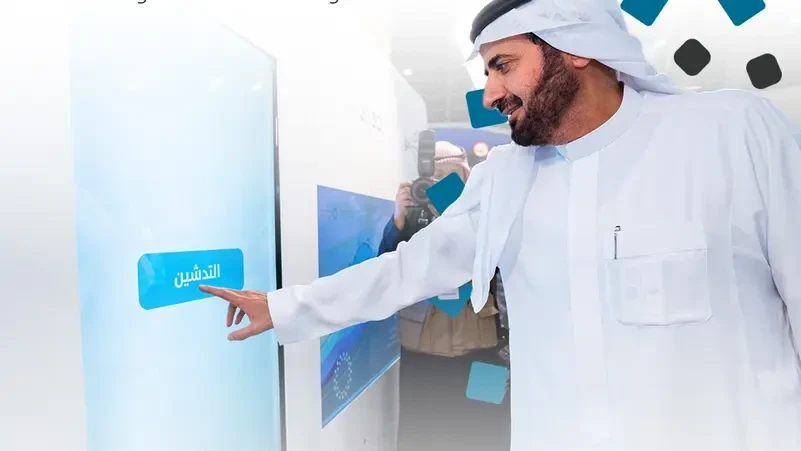
RIYADH: Saudi Arabia has launched the “Ufuq” system, designed to enhance the utilization of data from the Hajj and Umrah sector by transforming it into knowledge-based tools that support decision-making.
The Pilgrim Experience Program described the program as “a step toward enabling stakeholders to access and benefit from data on the Hajj and Umrah sector through products that enhance knowledge and support data-driven decision-making, going beyond the numbers.”
The PEP is one of the programs through which Saudi Arabia plans to actualize Saudi Vision 2030. It aims to enable the largest number of Muslims possible to perform Hajj and Umrah in the best manner.
According to the PEP, the Ufuq system includes more than 100 annual reports specialized in the Hajj and Umrah sector, in addition to more than 15 information panels, allowing government agencies to view relevant data and indicators, and benefit from them in building knowledge and supporting decisions.
More than 55 government agencies will benefit from these products, within the framework of enhancing integration and exchange of knowledge between entities associated with the system of serving pilgrims.
The system was launched by Dr. Tawfiq Al-Rabiah, minister of Hajj and Umrah, and chairman of the Pilgrim Experience Program Committee, at the program’s pavilion during the sixth Hajj and Umrah Conference and Exhibition in Jeddah, which concluded on Wednesday.
The scheme aims to support relevant entities and decision-makers by providing reliable sources of information, thereby contributing to the development of sector-related knowledge and improving the planning of services offered to Hajj and Umrah pilgrims.
Through the national open data platform, Ufuq provides more than 15 high-value open datasets, thereby broadening access to information and enhancing its utility.
The ecosystem’s offerings — which include reports, dashboards, open datasets and foresight tools — are presented under the theme “Data Beyond Numbers.”
This approach focuses on leveraging data to support planning and informed, evidence-based decision-making.
The launch of Ufuq comes as part of efforts by the PEP to enhance the accessibility of data within the Hajj and Umrah sector, and broaden its utility.
PEP seeks to provide pilgrims with a rich experience by making necessary arrangements in the Haramain (the Two Holy Mosques in Makkah and Madinah), to actualize Islam’s universal message, to prepare the tourist and cultural destinations, and to deliver high-quality services before, during and after their visit to holy places in Makkah and Madinah.
Speaking at a session titled “Serving the Guests of God: An Integrated National System” during the Hajj Conference and Exhibition on Monday, Al-Rabiah said that the PEP, launched in 2019 under Saudi Vision 2030, has brought about a transformation in managing the journey of Hajj and Umrah pilgrims, starting from facilitating access to the Two Holy Mosques, through the quality of services, and leading to enriching the religious and cultural experience.
He added that the number of Umrah pilgrims arriving from abroad rose from 8.4 million in 2022 to 18 million in 2025, while the number of visitors to the Al-Rawdah Sharif, a sacred area inside the Prophet’s Mosque in Madinah, grew from 6 million to about 16 million during the same period.