- Afghan commentator Zakir Jalaly said the US had previously not shown an interest in Russia’s “Moscow Format” process, which began in 2016, since the Americans would refuse to take part in meetings in Russia.
ISLAMABAD: China, Russia, the US and Pakistan will hold talks on the Afghan peace process in Moscow on Thursday, officials at Pakistan’s Ministry of Foreign Affairs said.
Additional secretary at the ministry, Muhammed Aejaz, is expected to represent Pakistan at the meeting.
Afghan commentator Zakir Jalaly said the US had previously not shown an interest in Russia’s “Moscow Format” process, which began in 2016, since the Americans would refuse to take part in meetings in Russia.
“The US has now realized that it cannot make any progress without Russia, China and Pakistan and that is why it is now involved in regular consultations with key players,” Jalaly told Arab News from Kabul on Wednesday.
He said after the Taliban visited Russia, Iran, China and Pakistan — and took advantage of the regional consensus on a political solution to the conflict — “the US has been compelled not to ignore major players in the peace process.”
Afghan Taliban spokesman Suhail Shaheen said on Wednesday that Russia and China were making efforts to revive peace talks aimed at striking a deal for the US and other foreign troops to withdraw from Afghanistan in exchange for Taliban security guarantees.
Last month, US President Donald Trump halted talks with the Taliban after the militants carried out a bomb attack in Kabul that killed 12 people, including an American soldier.
Shaheen said there was no decision yet to restart the talks but “Some efforts by the Americans, Russia, China and other countries are underway to revive the process,” he added.
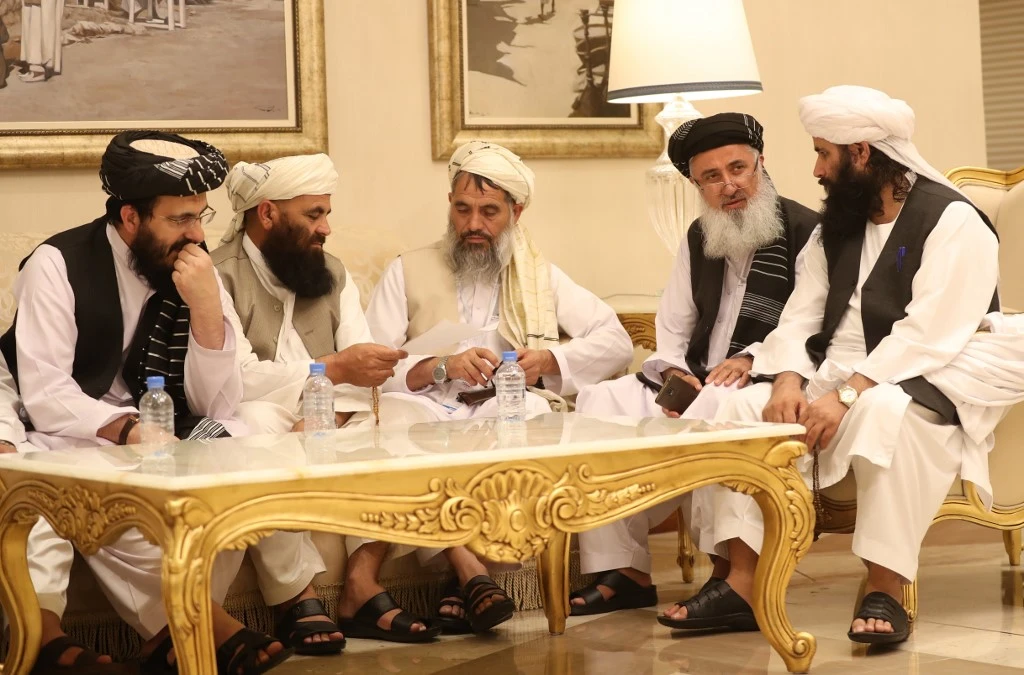
Late on Tuesday, Shaheen tweeted that a Chinese delegation led by special envoy for Afghanistan, Deng Xijun, met the head of the Taliban political office, Mullah Abdul Ghani Baradar, in Qatar and invited him to participate in talks. He said Baradar accepted the invitation and a large delegation of the political office would travel to Beijing for talks scheduled to be held on Oct. 28-29.
The intra-Afghan dialogue, rounds of which have also been held in Moscow and Doha this year, is aimed at reconciliation between the country’s warring parties and has been running parallel to the talks between the insurgents and the US.
China, which shares a short border with Afghanistan, has been trying to encourage peace efforts and last month a Taliban delegation visited Beijing for talks with government officials.
Shaheen said the Taliban were ready for talks with the US to restart.
“The way is open if the Americans plan to return to the peace agreement. If they continue war, we are also ready for that. Now it is up to them,” Shaheen said. “We will not beg to anyone. They have violated commitments, not us.
“If they cannot agree to a cease-fire during these very important peace talks, and would even kill 12 innocent people, then they probably don’t have the power to negotiate a meaningful agreement anyway,” Trump had said on Twitter last month when he called off talks.
The surprise announcement left in doubt the future of the draft accord worked out by Zalmay Khalilzad, the special US envoy for peace in Afghanistan, for a withdrawal of thousands of US troops over the coming months.