- The campaign addresses Bangladesh's worst-ever measles outbreak
- Health experts attribute the crisis to disruptions in routine immunization programs in 2024 and 2025
DHAKA: Bangladesh launched a nationwide measles-rubella vaccination campaign on Saturday, targeting 3.4 million unvaccinated and missed children, amid its worst-ever measles outbreak, which has killed more than 1,000 people and infected tens of thousands.
The month-long campaign aims to vaccinate children aged 6 months to 59 months who missed earlier immunization efforts after authorities lowered the minimum vaccination age from the usual 9 months because of the outbreak.
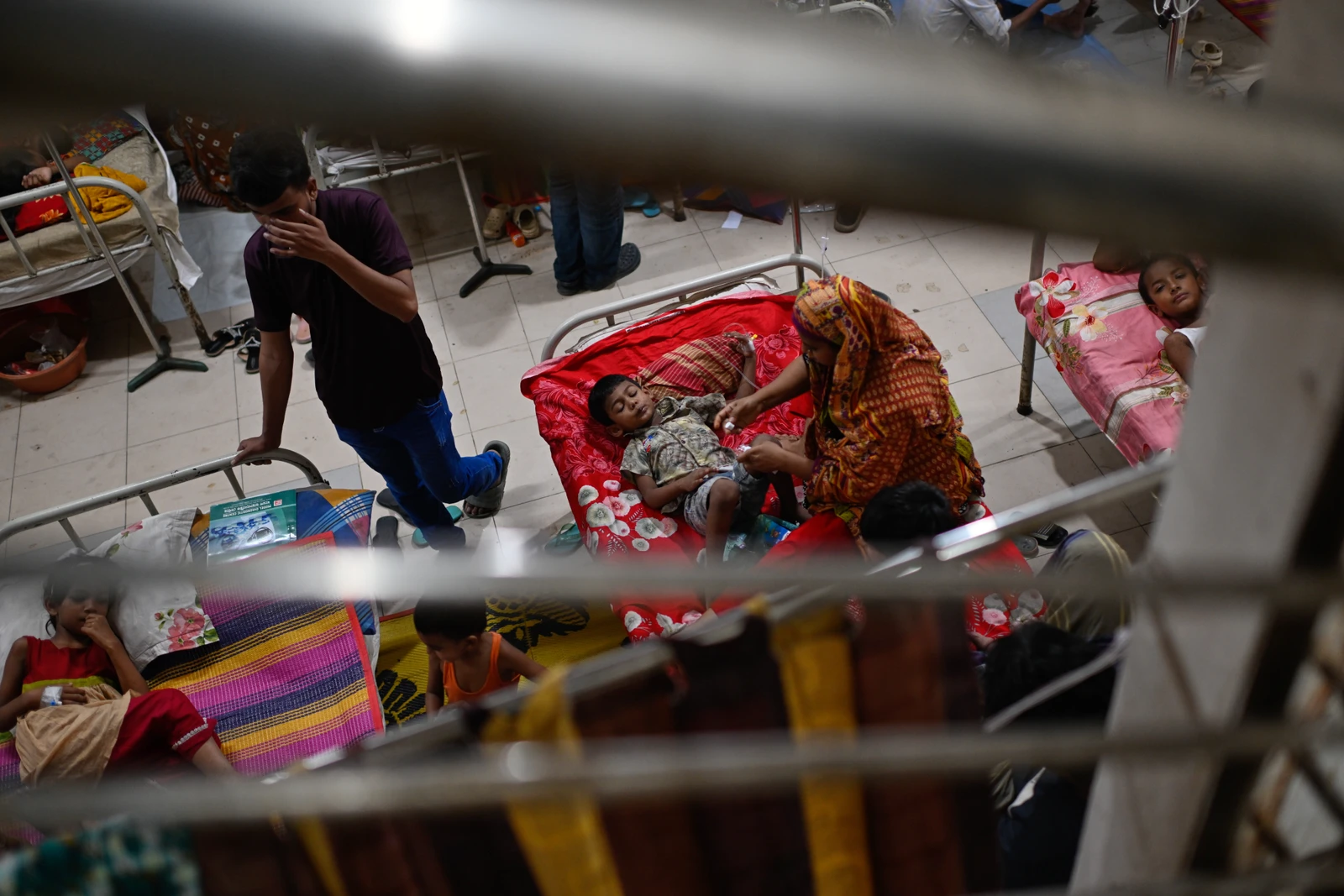
The outbreak has exposed gaps in childhood immunization and put growing pressure on health services, already grappling with a seasonal surge in dengue infections.
Bangladesh is currently experiencing the world’s largest measles outbreak, according to the US Centers for Disease Control and Prevention. It has recorded 1,087 confirmed and suspected measles-related deaths, including 101 laboratory-confirmed fatalities.
Since March 15, authorities have reported nearly 187,000 suspected cases and 21,099 confirmed infections, with more than 165,000 people hospitalized, health ministry data showed.
Health experts attributed the crisis to disruptions in routine immunization programs in 2024 and 2025, when political turmoil, changes to vaccine procurement and the postponement or cancelation of vaccination campaigns left many children unprotected.
Missed vaccinations and vaccine supply disruptions left children vulnerable to infection, particularly infants under 9 months who are too young to receive routine measles immunization, helping fuel transmission across age groups.
Since April, Bangladesh has vaccinated nearly 20 million children through emergency and follow-up campaigns. However, experts say significant immunity gaps remain, with many eligible children still unvaccinated or missed during previous drives.
They say reaching every eligible child in the latest campaign will be critical to slowing transmission and preventing future outbreaks of the highly contagious disease.
Authorities said the campaign will help close immunity gaps, reduce severe illness and deaths, and break chains of transmission across Bangladesh.