- As world leaders gather in Turkiye for COP31, UN says world is on course to breach the 1.5 C warming limit agreed under Paris deal
- Climate experts warn against major powers reducing financial support for developing, poorer countries amid economic pressures, geopolitical tensions, conflicts
CAIRO: When sudden floods inundate Bangkok’s streets, Panupong Wattanasereekul sees more than traffic gridlock.
For him, they are evidence of a new and increasingly dangerous normal: extreme weather that overwhelms cities, disrupts lives and exposes weaknesses in infrastructure that governments have long failed to address.
“Climate change is no longer a distant theoretical concept, it’s a harsh reality knocking on our doors,” Wattanasereekul told Arab News.
“We are caught in a cycle of reacting to severe weather rather than preventing it.”
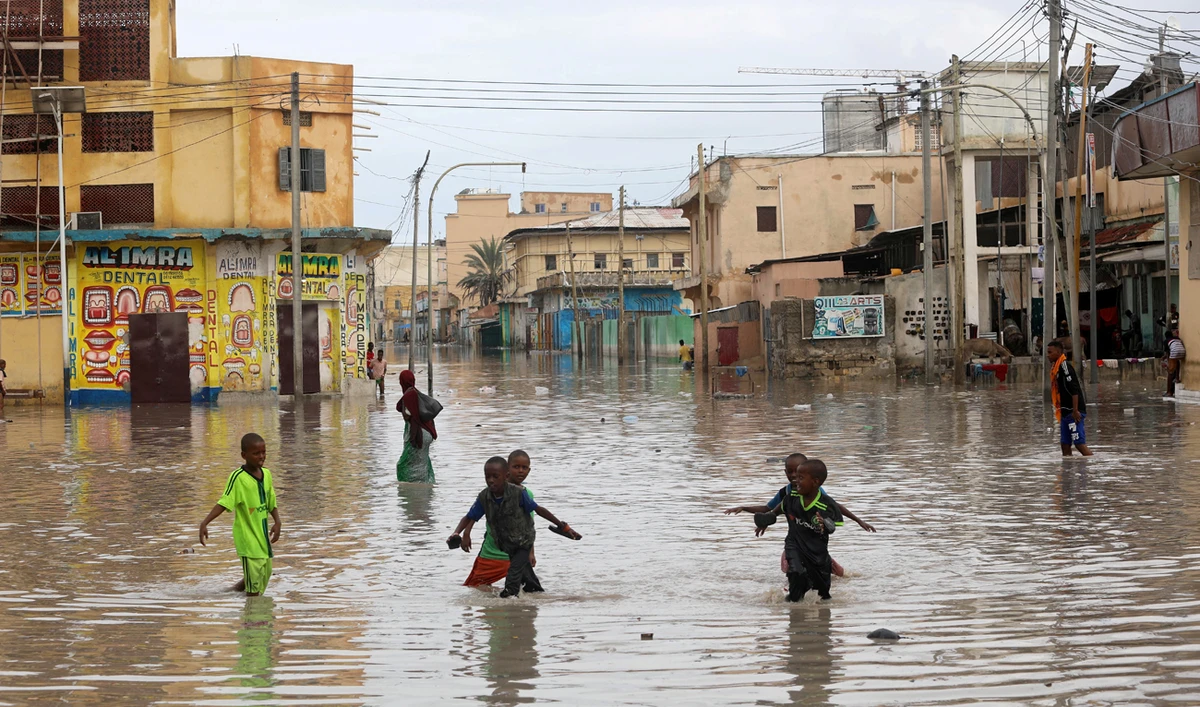
More than 6 million people have been affected by flooding in Thailand, according to reports. But the country’s experience is far from unique.
From southern Africa to small island states, developing countries are confronting climate shocks with limited resources, growing debt and shrinking international support.
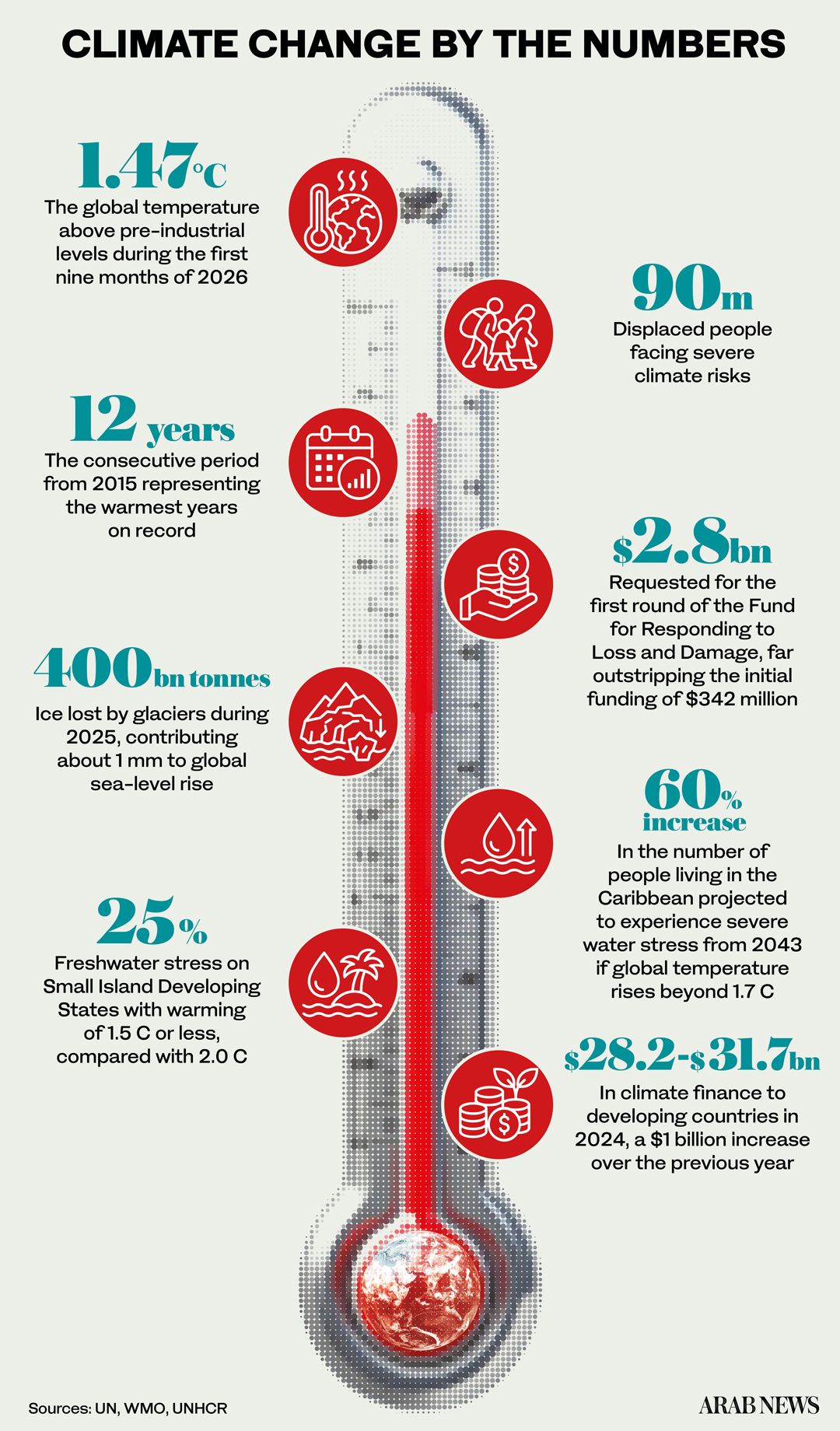
A report issued this month by the World Meteorological Organization said that 2026 continued a prolonged streak of exceptional global temperatures, melting ice and rising sea levels.
It also warned that a very strong El Nino — the naturally occurring climate pattern characterized by warmer than average sea surface temperatures in the central and eastern tropical Pacific — was expected to unleash further heat and extreme weather well into next year.
The US Climate Prediction Center is expected to officially upgrade the phenomenon. It said that El Nino would reach “super” status — when water temperatures are at least 2 degrees Celsius above average in the equatorial Pacific for at least three consecutive months — a condition expected to persist through the coming winter.
The warning comes as major powers reduce financial support for developing and poorer countries amid economic pressures, geopolitical tensions and conflicts, including Russia’s war in Ukraine and the US-Israel war with Iran.
At the same time, world leaders have gathered at the UN Climate Change Conference, COP31, in Antalya, Turkiye, to seek solutions, while the US — the world’s largest historical emitter — has skipped the talks for a second consecutive year.
“Poor countries are doubly affected by the consequences of global warming,” said Olivier Da Lage, a researcher at the French Institute for International and Strategic Affairs.
“First, most of them are located in regions that are already hot, or even arid. Second, because they are poor, they have few or no material resources to combat the effects of global warming — and this at a time when there is a widespread decline in development aid from wealthy nations, most notably the United States.”
Da Lage said that wars worsened the problem because many conflicts occurred in regions already severely affected by global warming.
Military spending, he said, placed further pressure on budgets that might otherwise support environmental protection.
“Climate change is a global phenomenon that does not stop at national borders,” he said.
According to Oxfam, between 1850 and 2015, the Global North — home to 14 percent of the world’s population — was responsible for 92 percent of excess global carbon dioxide emissions, while the Global South accounted for 8 percent. The US alone was responsible for 40 percent of excess emissions, while countries in the Global South bear the brunt of climate impacts.
While rich countries have long faced criticism for their contribution to climate change, a growing body of research shows that emissions vary sharply not only between countries but also within them, with wealthy people contributing far more to the problem, wherever they live.
Highlighting the vast wealth and emissions gap within regions, Oxfam’s new Disaster Divide report found that the world’s richest 0.1 percent produce more carbon pollution than nearly half of humanity.
The findings underscore the unequal distribution of climate impacts, echoing what outgoing UN Secretary-General Antonio Guterres described as “climate apartheid.”
A UN report last month found that the world is on course to breach the 1.5 degrees C warming limit that countries agreed to pursue under the Paris Agreement to prevent the worst impacts of climate change.
Katherine Stodulka, an Australian specialist in climate change, told Arab News that climate-related crises were taking a toll on countries that were already economically fragile, indebted and increasingly short of international humanitarian support.
“Climate change is making existing crises considerably harder to manage, recover from and finance,” she said.
“The wars in Sudan, Ukraine and the Middle East are creating additional pressures through disrupted trade, higher fuel and food prices and constrained government spending.”
Stodulka said that the economic cost of climate shocks often exceeded the immediate physical damage.
That includes lost agricultural production, livestock deaths, disrupted trade, reduced household incomes, damaged infrastructure, higher food prices and increased government spending.
Recent losses in Mozambique illustrate the scale of the problem. According to government figures, flooding during the 2025-26 rainy season is estimated to have cost the country about 2 percent of its gross domestic product, with physical damage of about $955 million and additional economic losses of about $569 million.
The total estimated economic impact is about $1.52 billion. Mozambique subsequently revised its 2026 growth forecast down from 2.8 percent to 0.59 percent, attributing much of the deterioration to the floods.
More than 1 million people were affected in Mozambique, according to Stodulka. About 260,000 homes were damaged, along with 9,735 km of roads, bridges and other infrastructure.
In southern Africa, the 2024 drought reduced aggregate cereal yields by 16 percent from the five-year average. In Zambia, yields were 43 percent below average. In Zimbabwe, 50 percent below.
“These are not simply agricultural statistics,” Stodulka said. “They represent lost income for millions of smallholder farmers, higher food prices for consumers, reduced employment across agricultural supply chains, increased government expenditure on food assistance and reduced tax revenues and economic activity.”
The risks are particularly acute for small island developing states, which face rising seas, freshwater stress and increasingly severe drought.
The UN Intergovernmental Panel on Climate Change said in 2022 that changes in aridity were expected to place freshwater stress on many small islands, especially small island developing states.
It estimated that with warming of 1.5 degrees C or less freshwater stress on small islands would be 25 percent lower than at 2 degrees.
It also projected that a 1 degree rise in temperature could increase by 60 percent the number of people in Caribbean small island states facing severe water stress between 2043 and 2071.
Under Article 9 of the Paris Agreement, developed countries are required to provide financial resources to assist developing countries with both mitigation and adaptation.
Da Lage said that several countries, including France, had partially met their commitments but that those efforts fell short of what was needed to reverse the trend.
“Many countries are not even making that effort,” he said.
Alaa Sarhan, an Egyptian professor and expert in climate economics, told Arab News that developed nations had a moral obligation to support developing countries facing climate risks.
Conflicts in the Middle East had created a domino effect, with higher energy prices and disrupted supply chains adding to the pressure on developing economies, he said.
“Developed countries have scaled back their financial support, whether in the form of loans or grants, to the developing nations they previously funded.
“Some developed countries have begun exploring alternatives, such as cancelling part of the debts owed by developing nations.”
Many countries were increasingly recognizing the need to invest in renewable energy, including solar power, as well as water desalination, Sarhan said.
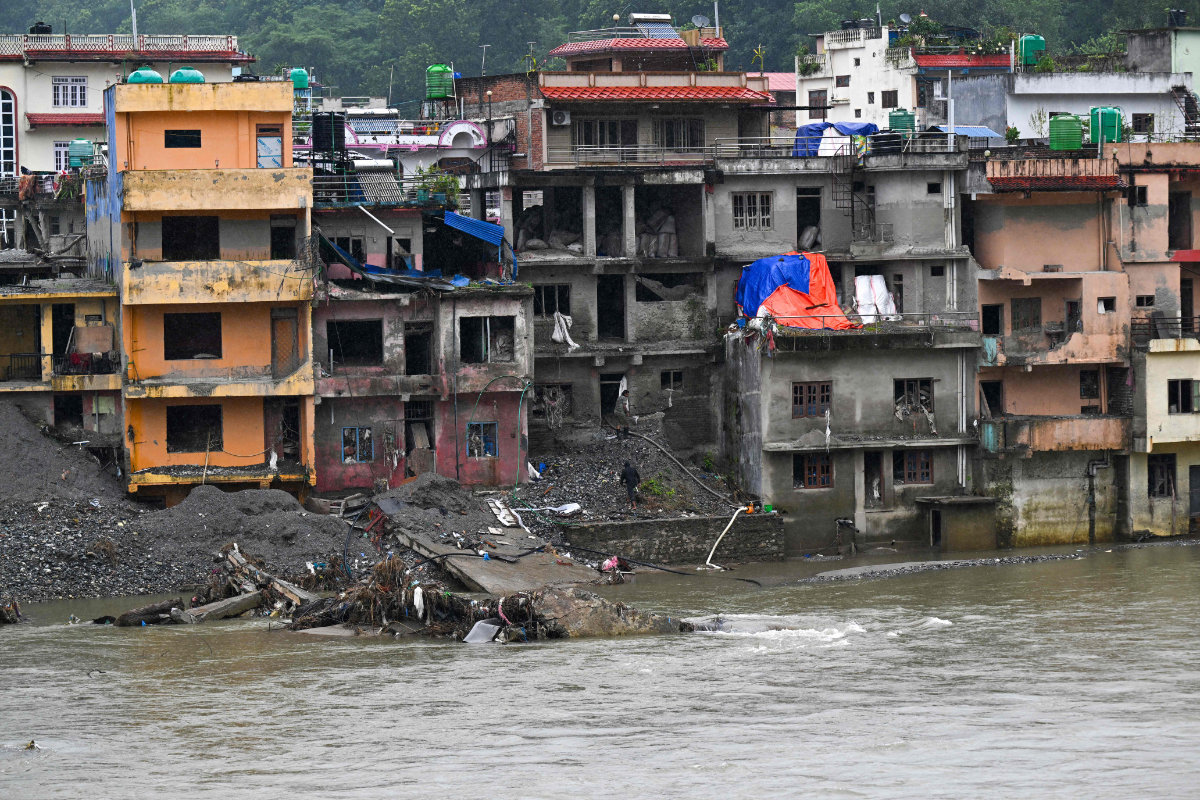
One of the year’s most devastating climate disasters unfolded in Nepal. On Aug. 26, an avalanche and flash floods devastated communities along the Bhote Koshi-Trishuli river corridor, erasing homes, roads and vital infrastructure.
The UN Development Programme has recorded 1,451 deaths and 5,745 people missing, while estimating recovery and reconstruction costs at $4.7 billion.
Nepal is now demanding $20 million in climate compensation, with a senior minister calling on the world’s most polluting countries to “wake up” and accept shared responsibility for a disaster.
As the itinerant COP enters its 31st edition in Turkiye, delegates continue to grapple with a central question: whether the talks will produce meaningful support for countries least responsible for climate change but most exposed to its consequences.