- UK says Israel will remain important trading partner
- US ambassador to Israel criticizes plans, Israel reacts angrily
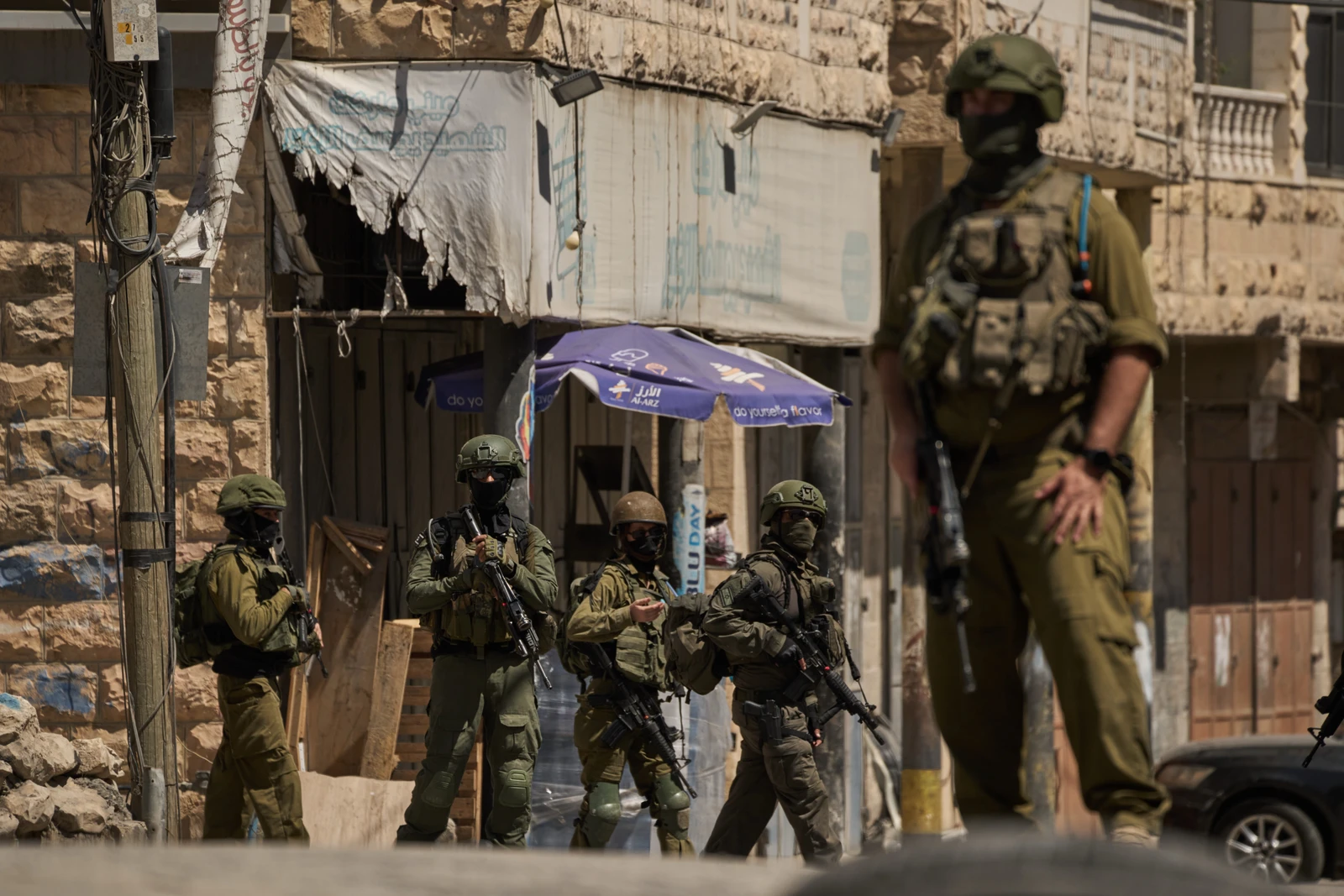
LONDON/TEL AVIV: Britain on Tuesday announced a trade ban on goods made in Israeli settlements in the occupied West Bank in coordination with France and Canada, the latest sanctions to target Israel as it faces growing diplomatic isolation. The US, through its ambassador to Israel, has already criticized Britain’s new sanctions, while two Israeli ministers called for measures to be taken against Britain. Israel said it would also expel British diplomats at a center monitoring the US-brokered ceasefire plan in Gaza and bar British training for Palestinian Authority forces, as well as banning 12 British officials from visiting Israel. “The accusations made today by the foreign secretary in the British Parliament were outrageous lies,” Foreign Minister Gideon Saar said, after his British counterpart Ed Miliband accused Israeli settlers of “ethnic cleansing” in the West Bank. “The British move is morally distorted and constitutes blatant interference in the affairs of a sovereign state and in its electoral process,” he said, ahead of close-fought October 27 elections in which Prime Minister Benjamin Netanyahu is championing settlements in the West Bank. Saar said Israel was closing the British consulate which lies in east Jerusalem, part of the historically Palestinian area that Israel captured in the 1967 Six-Day War. Israel considers Jerusalem its undivided capital, a stance that is not internationally accepted, with the exception of a handful of countries including the United States under President Donald Trump. “United Jerusalem is the capital of Israel and is under its full sovereignty,” Saar said. “Any foreign activity in the area must be conducted through accepted and agreed channels and without violating Israel’s sovereignty.” Finance Minister Bezalel Smotrich called for the British ambassador in Tel Aviv to be expelled, while National Security Minister Itamar Ben-Gvir asked Netanyahu to close the British Consulate in East Jerusalem. |