- Tinubu and his All Progressives Congress, won Rivers at the last vote in 2023, but opposition candidate Peter Obi — then of the Labour Party and now a candidate for the Nigeria Democratic Congress — polled strongly
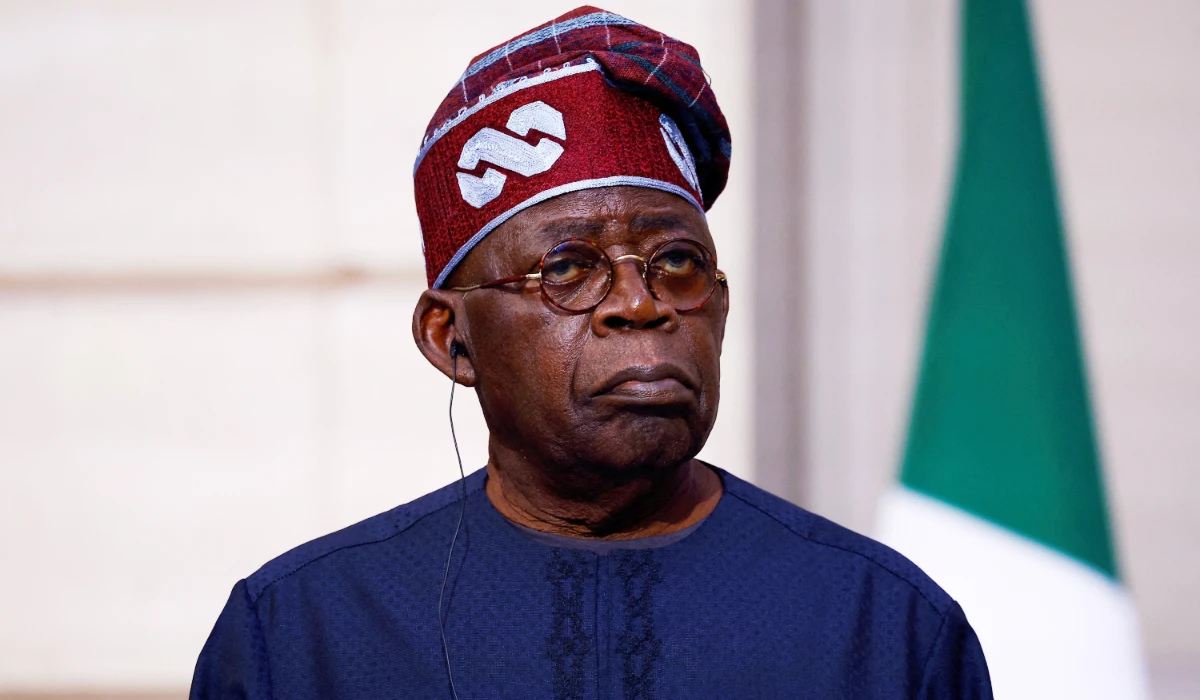
PORT HARCOURT: Nigeria’s President Bola Tinubu has taken his campaign for reelection to the city of Port Harcourt, seeking to secure another victory in the key state of Rivers in the oil-rich Niger Delta
Tinubu and his All Progressives Congress, won Rivers at the last vote in 2023, but opposition candidate Peter Obi — then of the Labour Party and now a candidate for the Nigeria Democratic Congress — polled strongly.
A slew of defections to the All Progressives Congress in the six states that make up the south-south geopolitical zone since then has put the president in a strong position.
“Thank you for the last election. 2022, 2023. I looked very hopeless. But you trooped out to support me, gave me the mandate,” said Tinubu, who appeared alongside his ally Nyesom Wike, nominally a member of the Peoples Democratic Party but who has backed the president as minister of Federal Capital Territory.
Wike, a former Rivers governor, still holds sway in the state, which has the fifth-largest number of registered voters. His Rainbow Coalition, a group of opposition figures, is working for Tinubu’s victory.
Rivers has more than 3 million registered voters, according to the Independent National Electoral Commission, making it one of the most electorally significant states in southern Nigeria, behind Tinubu’s home state of Lagos.
“Rivers state has already concluded, already agreed that come Jan. 16, they will vote for you,” Wike said in front of tens of thousands of supporters at a packed stadium.
Still, the state is shaping up to be a key battleground, with Atiku Abubakar of the African Democratic Congress also in the race, alongside his running mate, Rotimi Amaechi, a Rivers state native.
Although analysts say Tinubu is the favorite to win the Jan. 16 election, a string of grueling economic reforms he introduced after coming to power in 2023 has had drastic effects.
Investors have praised the reforms as long overdue but ordinary Nigerians have felt the pinch from soaring inflation as fuel and other costs have skyrocketed.