NAIROBI: A prominent opposition politician in Burundi called on the UN on Friday to send a peacekeeping quickly to help deal with a surge in violence, after the Security Council said it was looking at ways to boost its presence there.
Highlighting growing concerns about unrest in Burundi, which emerged from civil war a decade ago, the European Union mission in Bujumbura said it was temporarily making a small reduction in staff and pulling out foreign family members.
Burundi has been mired in a political crisis that has raised fears of slide in ethnic conflict in a region where memories of the 1994 genocide in neighboring Rwanda are still raw.
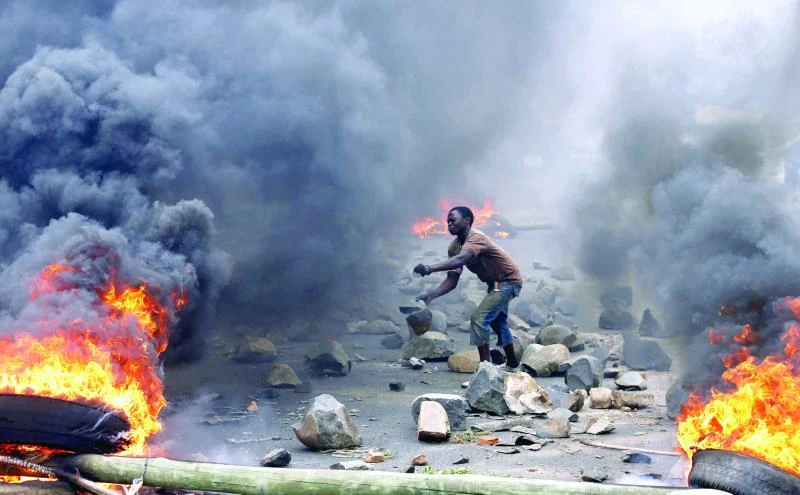
Scores have died in protests and killings and hundreds of thousands have fled since President Pierre Nkurunziza said in April he would seek a third term — a move the opposition said violated the constitution and a peace treaty that ended fighting in 2005.
Nkurunziza said a court ruling allowed his bid and went on to win a disputed election in July.
The UN Security Council asked Secretary-General Ban Ki-moon on Thursday to report within 15 days on options to boost the UN presence. The United Nations also joined the African Union and the EU in a call for dialogue.
Burundi’s government did not specifically respond to the council’s call to look at boosting the UN presence. Instead, it said Thursday’s resolution was “generally speaking” in line with its view and its desire for dialogue.
Charles Nditije, head of the opposition UPRONA group, told Reuters, he welcome the UN council’s push for dialogue.
“We deplore, however, that they didn’t decide to deploy peace enforcement forces in the near future,” he said. “We also regret that they didn’t agree on sanctions.” An earlier draft of the resolution threatened sanctions against those behind violence.
Government spokesman Philippe Nzobonariba said in a statement that Burundi took note of “the reasonable contents of the resolution which is generally speaking in line with with the government has always wanted,” citing dialogue in particular.
Weeks of talks earlier this year failed to bridge the divide between the opposition, which wants Nkurunziza to quit, and the government, which has said the president will serve out another term until 2020.
EU Ambassador Patrick Spirlet told Reuters the “rising risk of violence” had prompted the EU mission in Bujumbura to reduce some staff and send family members away temporarily. “The delegation will continue functioning normally,” he said.
Burundi’s 12-year civil war, which killed 300,000 people, pitted rebels of the Hutu majority against the Tutsi-led army. The same ethnic divide fueled the genocide in Rwanda, in which 800,000 mostly Tutsis and moderate Hutus were butchered.
Burundi’s crisis has till now broadly followed political lines, with a mix of ethnicities in both camps. But experts say inflammatory language by some officials risks reviving ethnic rifts. The government denies using ethnically divisive language.
Send peacekeepers quickly, Burundi opposition urges UN