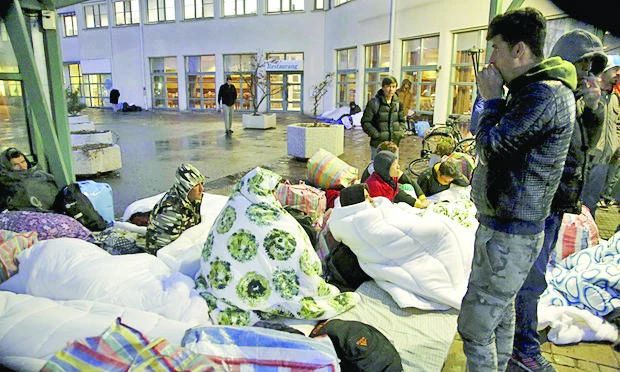
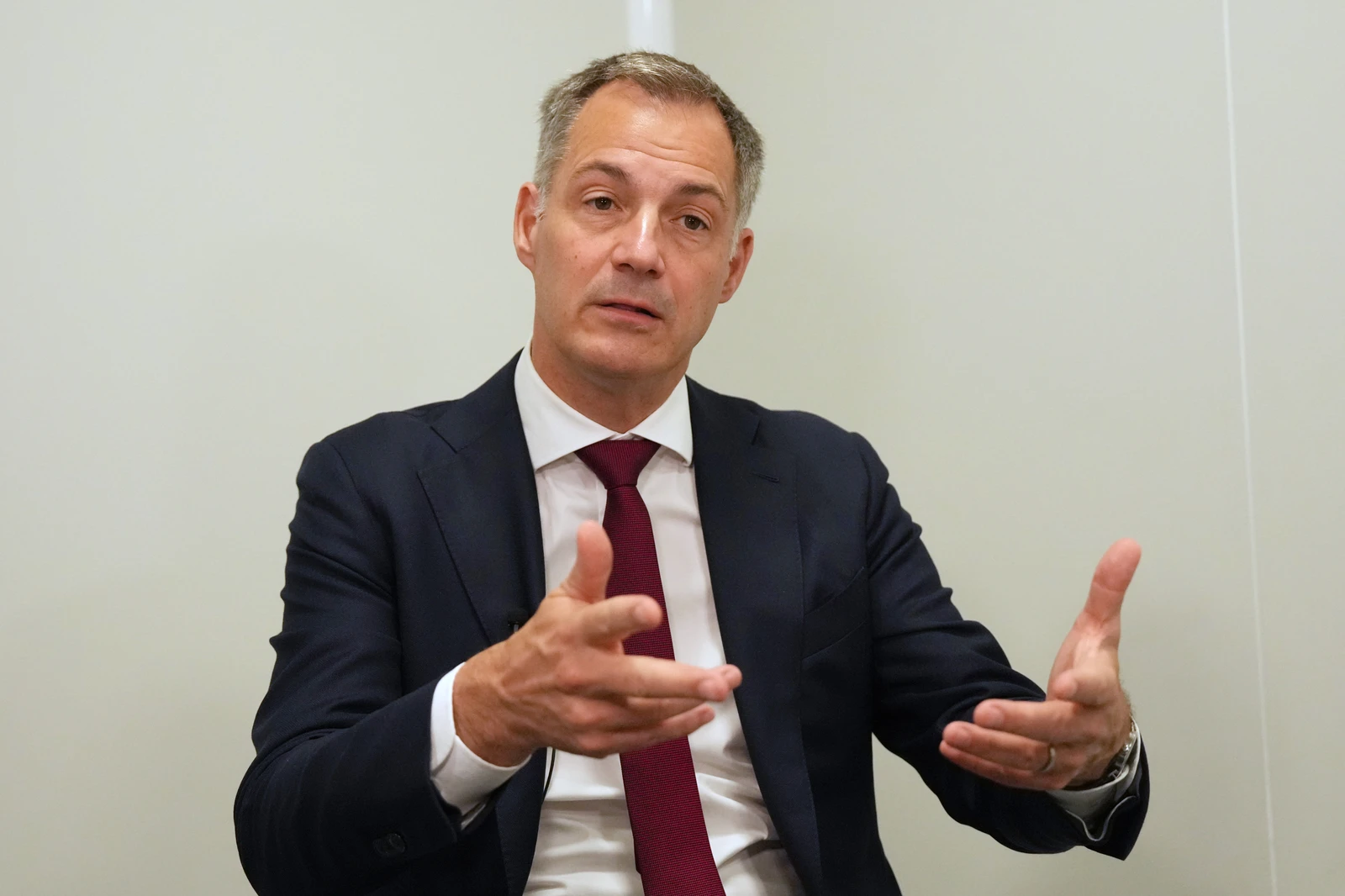
STOCKHOLM: Sweden is likely to deport up to half last year’s record 163,000 asylum seekers either voluntarily or forcibly, presenting a major challenge to authorities, Interior Minister Anders Ygeman said on Thursday.
Ygeman says Sweden could deport between 60,000 and 80,000 asylum-seekers in coming years, which would represent about 45 percent of the total number of applicants.
Ygeman told newspaper Dagens Industri that since about 45 percent of asylum applications are currently rejected, the country must get ready to send back tens of thousands of the 163,000 who sought shelter in Sweden last year.
“I think that it could be about 60,000 people, but it could also be up to 80,000,” Ygeman was quoted as saying.
His spokesman, Victor Harju, confirmed the quotes Thursday, adding that the minister was simply applying the current approval rate to the record number of asylum-seekers that arrived in 2015. Harju adds: “That rate could of course change.”
Germany and Sweden were the top destinations for asylum-seekers in Europe last year
Romanian border police said Thursday that they had rescued 119 asylum-seekers from Africa, including 34 children, who were on an inflatable dingy in the Mediterranean, trying to reach Europe.
The migrants were dehydrated and had signs of hypothermia when they were picked up on Tuesday. They came from Gambia, Senegal, Liberia, Mali, Sierre Leona and Guinea Bissau and were planning to travel to the Schengen area.
A Dutch politician says his country, which currently holds the EU presidency, is working on a plan to ease the migrant crisis by which a core group of member states would accept up to 250,000 refugees coming from Turkey in return for sending back the migrants that now arrive by the hundreds of thousands in Greece.
Diederik Samson, leader of the Socialist PvdA party, a key partner in the government, told De Volkskrant newpaper that a core group of nations should be willing to accept a set number of refugees coming from Turkey, if the other migrants can be sent back.
Sweden, with a population of almost 10 million, is one of the countries that has borne the brunt of Europe’s migrant crisis as hundreds of thousands of refugees fleeing war and poverty in the Middle East and north Africa have moved north to wealthier members of the European Union.
Germany took in an unprecedented 1.1 million migrants last year.
Both countries have tightened asylum rules to stem the flow and force other countries to share the burden.
The Swedish government fears many people whose applications for asylum are rejected will go into hiding. Police will seek to find and deport them.
Of the 13,000 sent back from Sweden last year 10,000 went voluntarily whereas 3,000 were forcibly deported.
Over the past few years Sweden has rejected about 45 percent of claims for asylum, but with last year’s record influx the greater numbers are putting an increasing strain on immigration and police authorities.
“We have a big challenge ahead of us. We will need to use more resources for this and we must have better cooperation between authorities,” Ygeman was quoted as saying by daily Dagens Industri.
Adding to the problem is a backlog of applications. The Migration Agency says recent arrivals will have to wait between 15 and 24 months just to have their applications assessed.
Ygeman said he thought chartered planes would be more widely used and hoped flights could be coordinated with Germany.
Germany deported 20,000 foreigners last year.
Sweden reversed its open door immigration policy late last year and has introduced border controls and identity checks to stem the flow of asylum seekers.
It is also working on making it more difficult for companies to hire immigrants without proper documents to decrease the incentives to stay in Sweden.
This week, Prime Minister Stefan Lofven promised more resources for police to deal with the increased workload because of the refugee situation.
Sweden likely to ‘forcibly’ evict up to 80,000 asylum-seekers