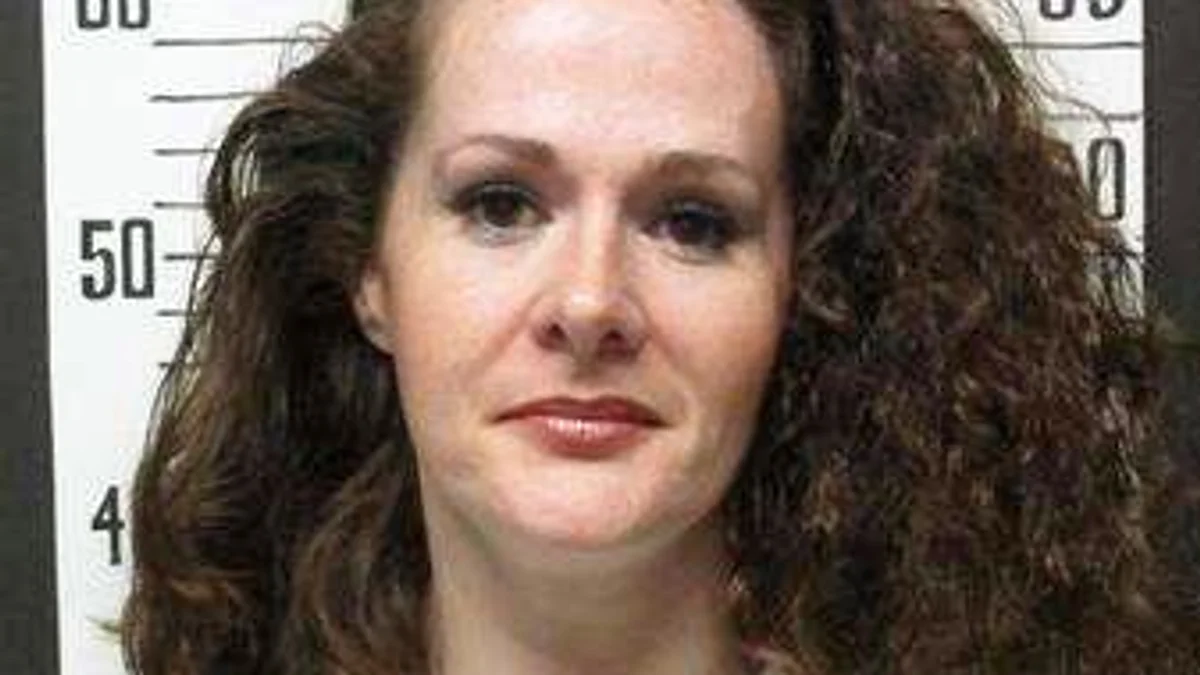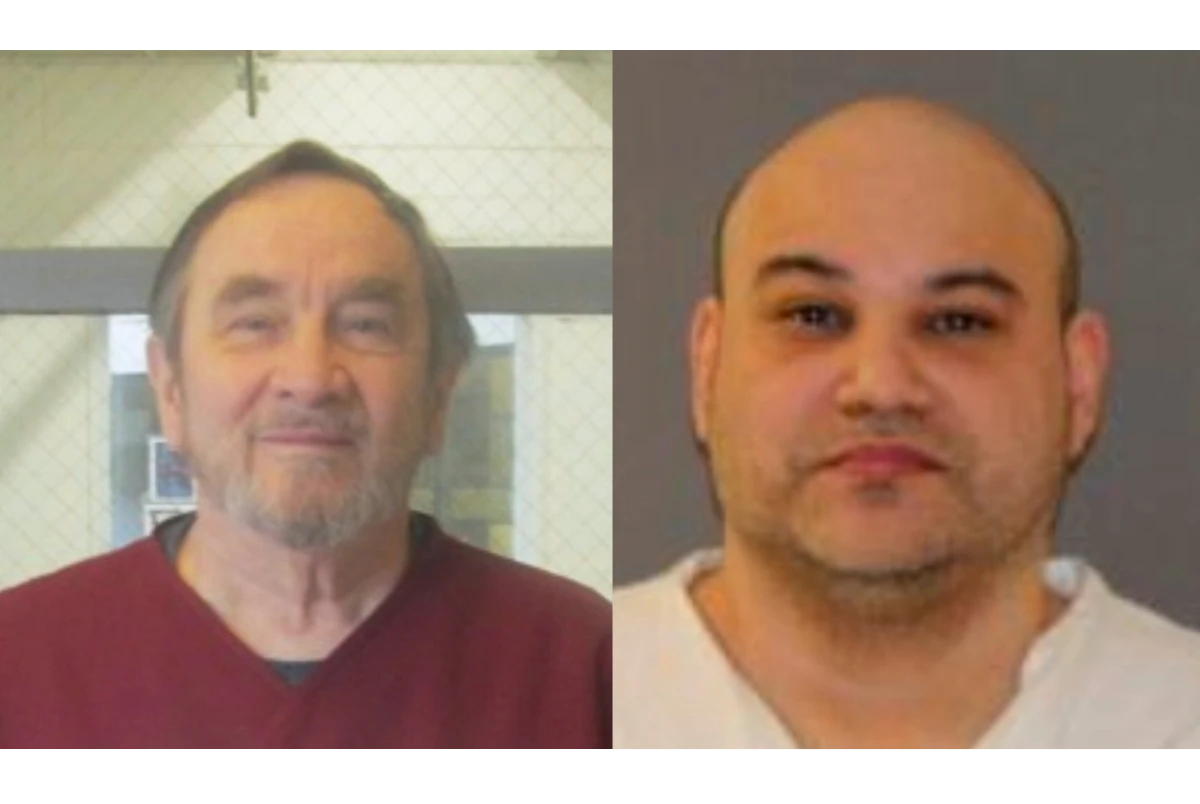
- John Allen Rubio, convicted of murdering three young children in 2003, was executed in Texas, marking the 37th execution in the US this year
- In Oklahoma, James Pavatt was executed for the murder of his girlfriend's estranged husband, becoming the 36th person executed this year
HUNTSVILLE, Texas: Two executions in Texas and Oklahoma on Thursday pushed the US tally to 37 this year, putting the country on track to exceed 40 for a second consecutive year, a pace driven by Florida.
Texas put to death John Allen Rubio, 46, who was convicted of fatally stabbing and beheading three young children in 2003. Hours earlier, Oklahoma executed James Pavatt, 73, for the 2001 fatal shooting of his girlfriend’s estranged husband.
The death penalty has drawn renewed attention since the failed execution of Christa Pike in Tennessee in September. Last week, California Gov. Gavin Newsom announced he would commute hundreds of death sentences before leaving office in January, which experts say would be the largest mass clemency in American history.
Texas execution
Rubio was pronounced dead at 6:47 p.m. after a lethal injection at the state prison in Huntsville. The killings of the baby girl and two toddlers so rocked the city of Brownsville, on the US border with Mexico, that the apartment building was later demolished and the land turned into a park and community garden.
After a spiritual adviser prayed over him briefly, Rubio thanked friends and family for their “love and understanding” and said he was “not the same person I once was.” He thanked prison staff for teaching him how to find God and expressed love for his common-law wife, Angela Camacho, who is serving life in prison for her role in the slayings.
“I want to say I’m sorry to my wife’s family,” he said. “I can’t change the past but I can tell you my life is going to be over. But that’s not going to make you happy.”
“I’m going to be with my kids in a little bit,” he added. “I’m ready to go to heaven to be with my lord and savior.”
As the lethal dose of the sedative pentobarbital began taking effect, Rubio took three breaths and began what sounded like snoring. All movement ceased afterward, and a physician pronounced him dead 21 minutes after the injection began.
Rubio and Camacho were accused of killing 3-year-old Julissa Quesada, 14-month-old John E. Rubio and 2-month-old Mary Jane Rubio in the apartment they shared in Brownsville. Camacho drew a life sentence after pleading guilty.
An appeals court overturned Rubio’s first capital murder conviction, ruling Camacho’s statements were improperly admitted as evidence in his trial. At his second trial, Rubio again pleaded not guilty by reason of insanity but again was convicted and sentenced to death.
According to court records, Rubio wasn’t the biological father of the two older children but treated them as his own. At various points, he claimed the children were possessed and that he was the “chosen one” intended to save the world.
Defense experts diagnosed him with paranoid schizophrenia, a finding prosecution experts rejected. The defense experts also testified his childhood, marked by violence at home, “toxic” parents, drug use and prostitution, damaged him developmentally.
Oklahoma execution
Pavatt received a lethal injection at an Oklahoma prison. Asked if he had any last words, he shook his head no. As a chaplain read from the Bible, Pavatt appeared to mouth some words that couldn’t be heard.
He was convicted of first-degree murder and conspiracy to commit murder in the killing of Rob Andrew, a 39-year-old advertising executive. Andrew was shot as he arrived to pick up his two young children before Thanksgiving. Pavatt attended the same church as the Andrew family and had been having an affair with Rob Andrew’s wife, Brenda Andrew. She was convicted at a separate trial and is the only woman currently on Oklahoma’s death row.
Weeks before the shooting, Rob Andrew told police someone was trying to kill him after the brake lines on his car were cut. Brenda Andrew told police after her husband was killed that masked intruders shot her in the arm and fatally shot him.
Pavatt and Brenda Andrew fled to Mexico with her two children after the shooting and were arrested three months later while reentering the US.
Also Thursday, former Oklahoma death row inmate Richard Glossip pleaded guilty to a lesser charge of being an accessory in a 1997 murder and awaits sentencing in December. Glossip, who had been on the brink of execution three times, was released on bond in May after nearly 30 years in prison. He had been awaiting a retrial after the US Supreme Court overturned his conviction.