RIYADH, 27 November — Saudi Arabia announced yesterday that it had posted a surplus, the first in 19 years since 1982, in the 2000 national budget. The Saudi Arabian Monetary Agency (SAMA) said the surplus was the result of substantial increase in oil prices.
The SAMA said the Kingdom’s gross domestic product (GDP) grew by 4.5 percent and 21.7 percent in current prices. This was largely due to stupendous growth both in the oil and non-oil sectors. The oil sector grew 8.5 percent, while the non-oil sector recorded a 2.6 percent growth, the report said.
In its 37th annual report, which was presented to Custodian of the Two Holy Mosques King Fahd last night by Finance and National Economy Minister Dr. Ibrahim Al-Assaf, the SAMA said the actual public revenues rose by 74.9 percent last year to SR258.1 billion while expenditures rose by 28 percent to SR235.3 billion.
“This brought the surplus to SR22.7 billion, which is 3.6 percent of the GDP,” the report said. The Kingdom recorded a deficit of SR36.3 billion the previous year.
The report said the minerals sector had registered a growth rate of 9.6 percent. The SAMA predicted similar growth rate for this fiscal year.
According to the report, the industrial sector grew by 3.2 percent, the construction sector 3.5 percent, commercial service sector three percent, and finance and business sector 2.5 percent.
The report stated that the monetary and banking sectors achieved a growth of 4.5 percent as bank deposits rose by 7.1 percent and loans and advances to the private sector by 6.2 percent.
The SAMA report said the Kingdom also achieved surplus in balance of payments for the second consecutive year. “The GDP grew by 21.7 percent last year in current prices, compared to 11.5 percent the previous year,” the report said.
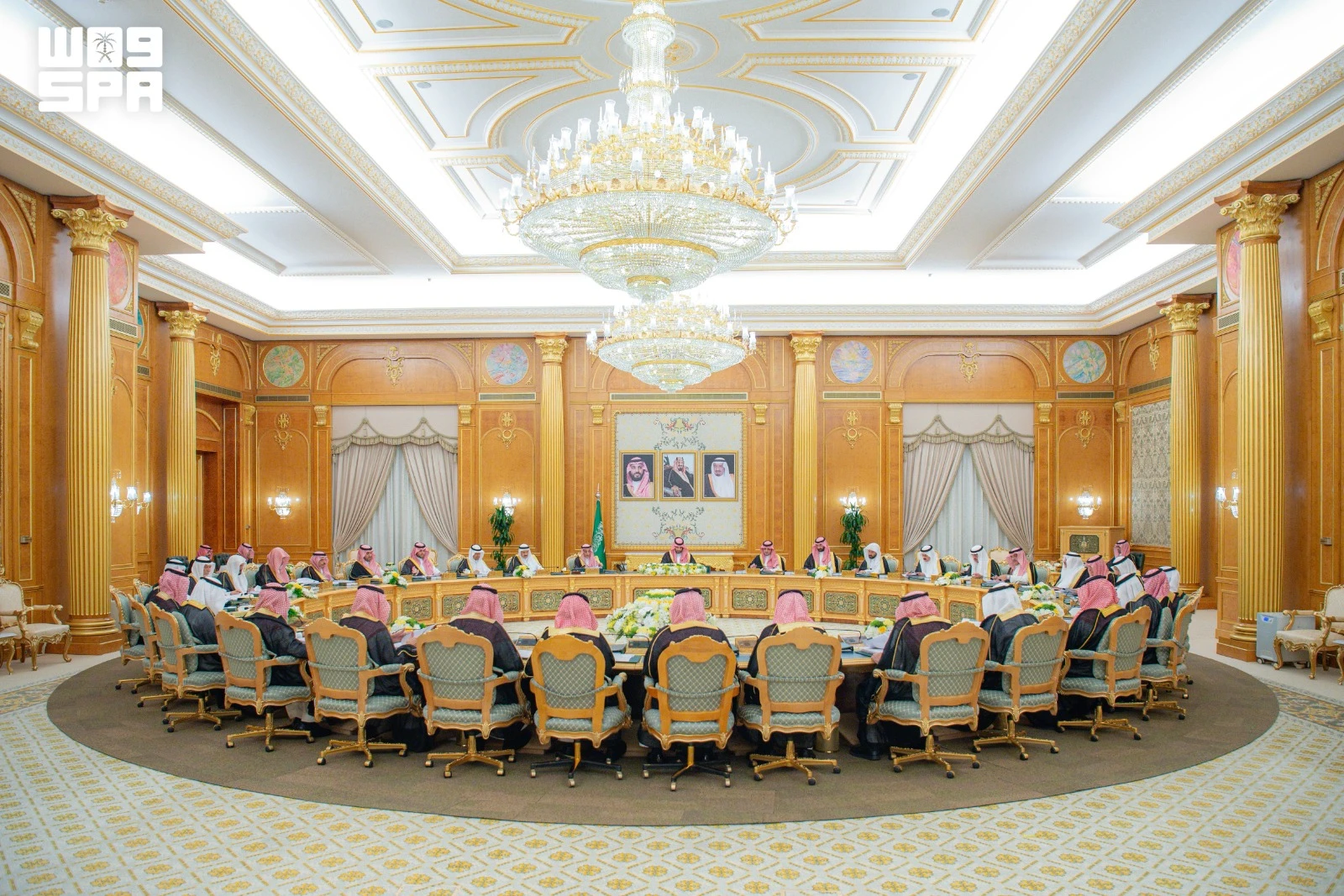
Saudi Arabia yesterday welcomed the new US plan to establish peace in the Middle East and called for its quick implementation.
“We hope that it will be translated into a reality immediately on the basis of UN resolutions,” Custodian of the Two Holy Mosques King Fahd said.
Addressing the weekly Cabinet meeting at Al-Yamamah Palace here, the king condemned Israel’s policy of assassinating Palestinians. The meeting approved alterations in laws related to individual rights. “An individual will be paid half of his net salary during detention or imprisonment for investigation or trial. If he is not convicted or punished without being fired, he will get what was deducted from his salary as back pay,” the new decision said.
The Cabinet also approved new rules to be followed by drivers transporting Haj pilgrims. The meeting urged pilgrim transport companies to appoint an adequate number of Saudi drivers and automobile technicians.
Women IDs: The Kingdom is expected to start issuing civil identity cards for Saudi women for the first time, a newspaper reported yesterday.
The London-based Al-Hayat quoted “informed sources” as saying a 1999 decision to grant women separate IDs will be implemented after Ramadan. Crown Prince Abdullah, deputy premier and commander of the National Guard, had said in a recent statement that the women’s IDs were on its way.
“This is a sensitive matter and has been discussed with Interior Minister Prince Naif who promised it’s coming,” the crown prince said.
Civil identification offices in various cities of the Kingdom, which applies a strict segregation of the sexes, have allocated separate sections to deal with women who apply for IDs. Riyadh decided in 1999 to grant women IDs following a lengthy debate.
Opponents objected because issuing an ID would allow people to see the pictures of women, who are normally veiled in black in public according to tradition. Saudi women are currently included on the IDs of their husband or father. Though they need his approval to travel abroad, they can obtain separate passports, but this is not considered an official document to prove identity.