LONDON, 26 March — A two-day conference on “Security in the Middle East” began yesterday with political and security risk assessment by a team of experts assembled by The Middle East Economic Digest (MEED). The foci were the threats and opportunities stemming from the Sept. 11 atrocity and the development of business and security strategies to manage events triggered then.
Conference Chairman Edmund O’Sullivan stressed that “the attacks had had a profound effect on the common man in America” and this should not be underestimated.
Despite an overt initial public reaction, more emotion than cool sense, wiser heads are prevailing and two key figures, James Baker and Dick Cheney, seem to be building a longer term strategy aimed at keeping business interaction alive and addressing the major stumbling block to Middle Eastern peace — the relationship between Palestine and Israel.
Reviewing the pressures at work in the Middle East and contributing to potential security problems, O’Sullivan highlighted demographic growth, the growing percentage of young people in societies, education levels and the mass of nontransferable skills, interstate conflict and the threat of weapons of mass destruction.
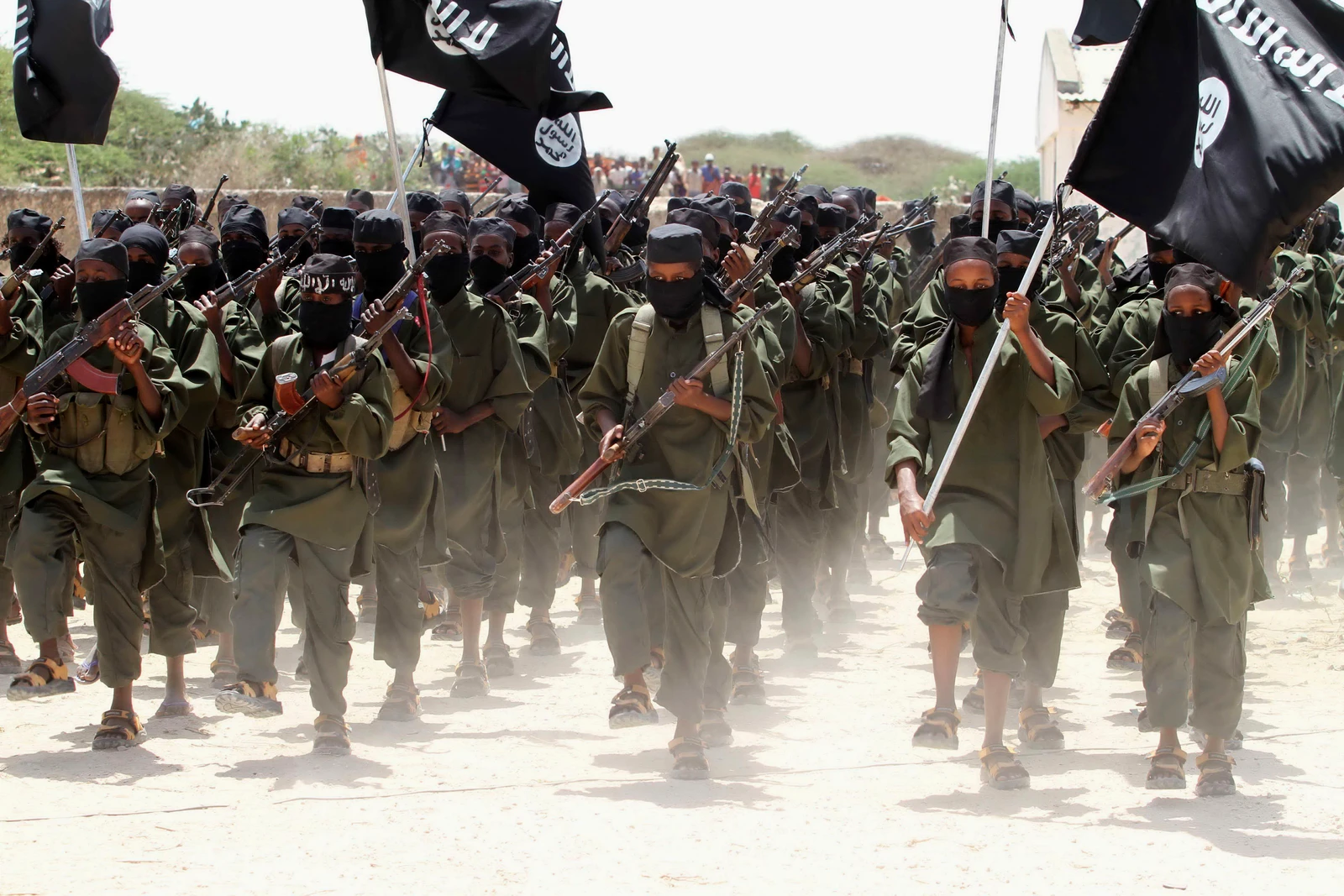
The keynote speech from Dr. Magnus Ranstorp reviewed the formation, structure and potential threats offered by the Al-Qaeda network. Describing the cell-like structure of the organization, he noted that destroying the network would be an immensely difficult task, as each cell was self-financing and the network used cybercrime, identity theft and the Internet to further its operations.
A very positive note was sounded by John Roberts, a think-tank consultant and academic, who praised Crown Prince Abdullah’s peace initiative as potentially very effective because of its simplicity. The initiative, summed up as he saw it as “Israel back to 1967 borders in exchange for recognition by your Arab neighbors,” is simple, clean and uncluttered. It also leaves areas that can be negotiated to satisfy both sides, but it states the fundamental desire of the Arab world in an economy of words that brooks no misinterpretation.