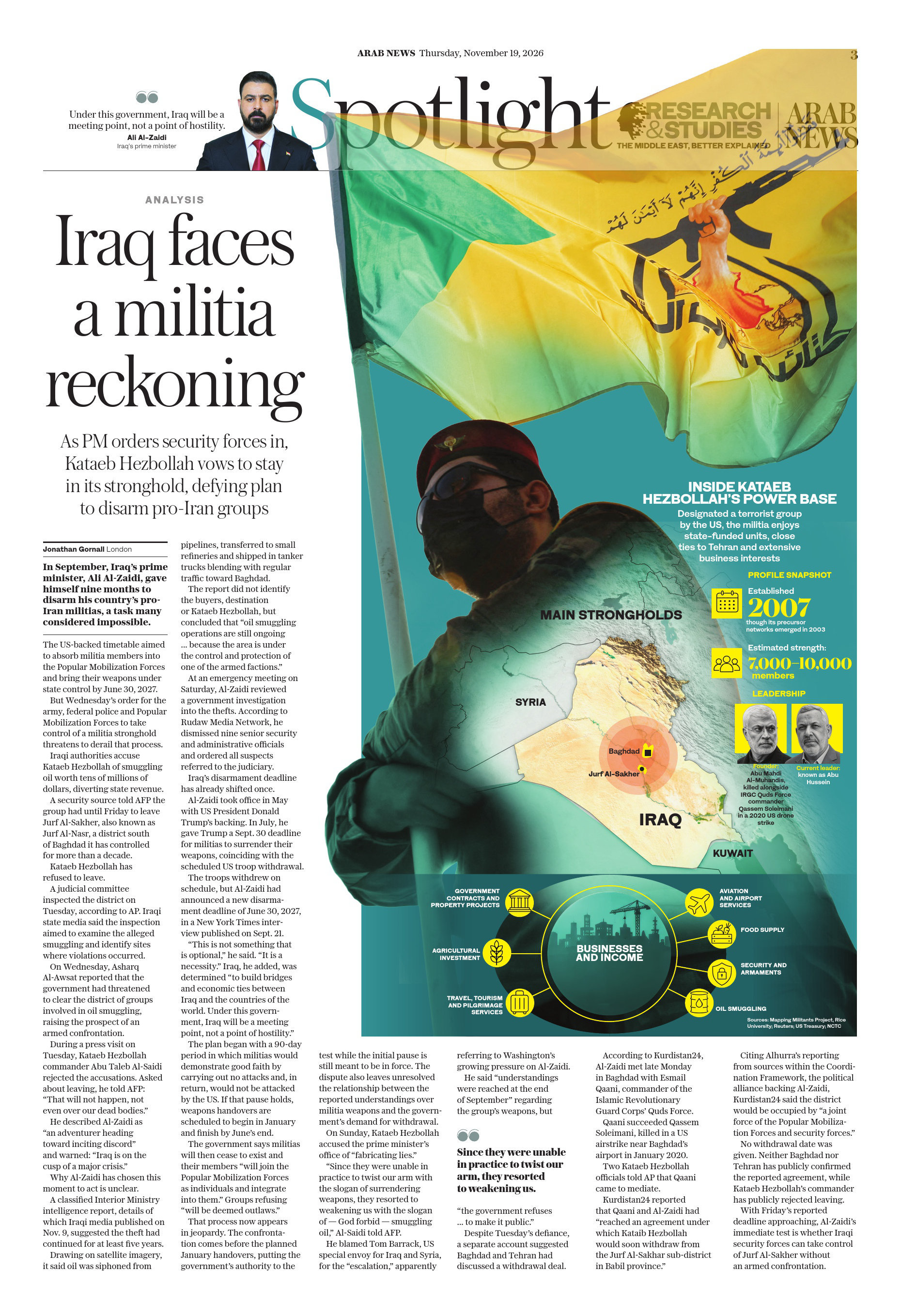
- Security forces ordered to take control of Jurf Al-Sakher after oil smuggling investigation in group’s stronghold
- Quds Force commander Esmail Qaani reportedly visits Baghdad for talks aimed at averting armed confrontation
LONDON: In September, Iraq’s prime minister, Ali Al-Zaidi, gave himself nine months to achieve what many considered to be the impossible task of disarming his country’s many pro-Iran militias.
There was a timetable, backed by the US, rooted in diplomacy and with the ultimate goal of absorbing members of militia groups into the Popular Mobilization Forces and bringing their weapons under state control by June 30, 2027.
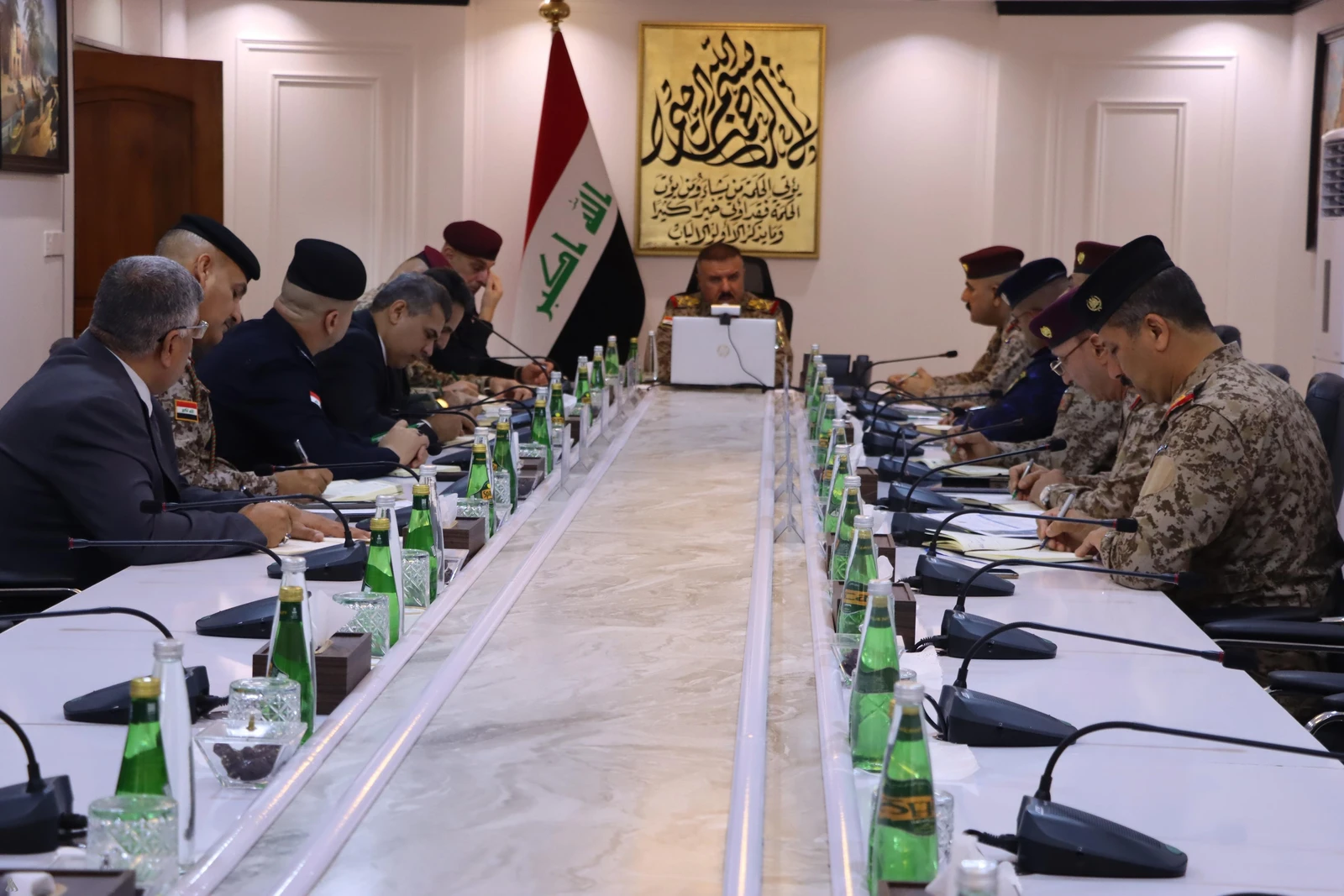
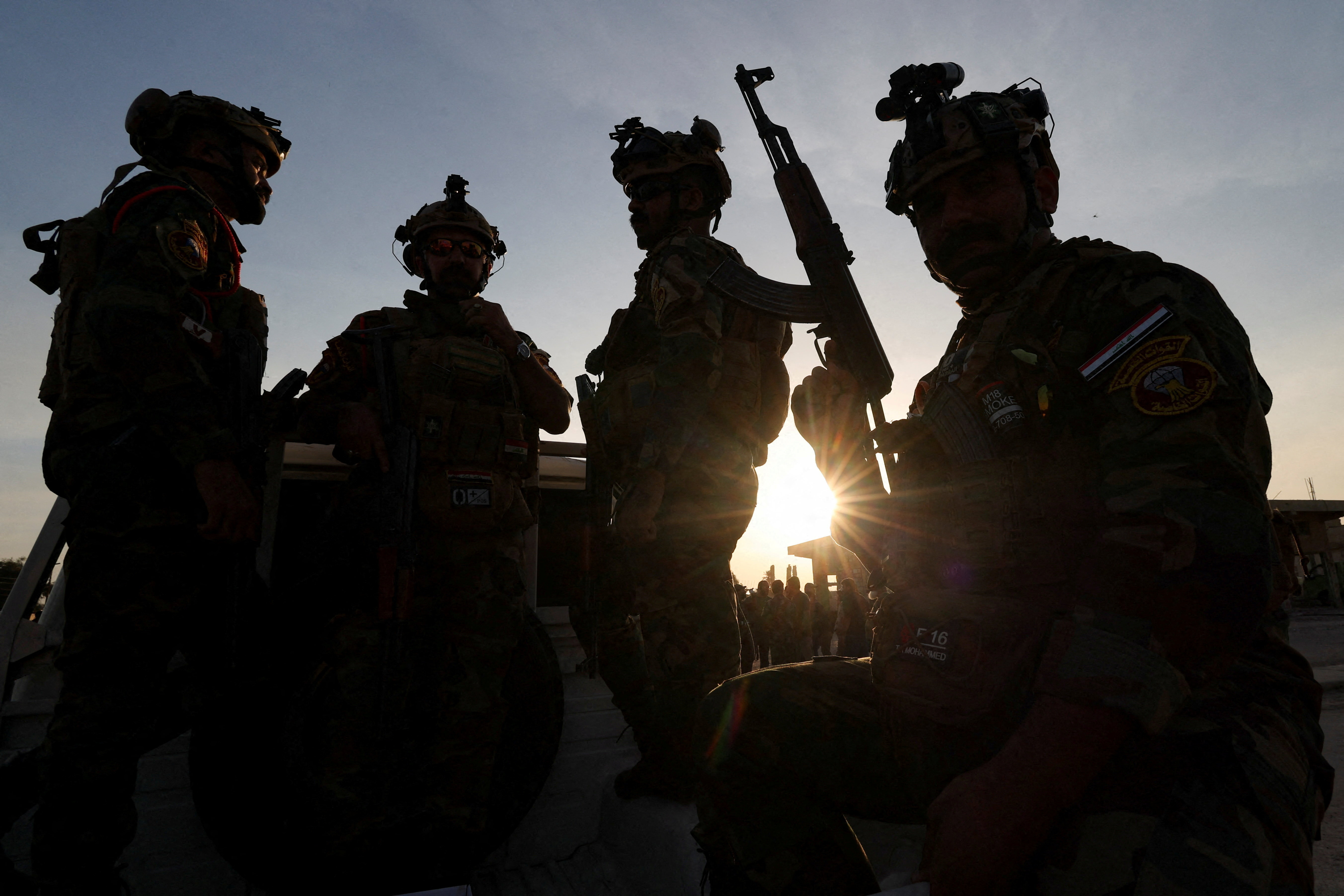
But with Iraq’s armed forces command ordering the army, federal police and Popular Mobilization Forces on Wednesday to take control of a militia stronghold, that timetable appears to be in danger of being derailed.
Iraqi authorities have accused Kataeb Hezbollah of smuggling oil worth tens of millions of dollars, diverting revenue from state coffers.
A security source told AFP news agency the group was given until Friday to leave Jurf Al-Sakher, also known as Jurf Al-Nasr, a district in Babil province south of Baghdad that has been the group’s stronghold for more than a decade.
Kataeb Hezbollah has made clear it has no intention of leaving.
A judicial committee inspected Jurf Al-Sakher on Tuesday, according to the Associated Press news agency, after Iraqi authorities accused Kataeb Hezbollah of using the district to smuggle oil.
Iraqi state media said the inspection aimed to examine the circumstances of the alleged smuggling and identify sites where violations had occurred.
On Wednesday, Arab News’ sister publication Asharq Al-Awsat reported that the Iraqi government had “threatened to clear Jurf Al-Sakher, south of Baghdad, of groups involved in oil smuggling, in an apparent warning to Iran-backed Kataeb Hezbollah, raising the prospect of an armed confrontation in an area controlled by factions.”
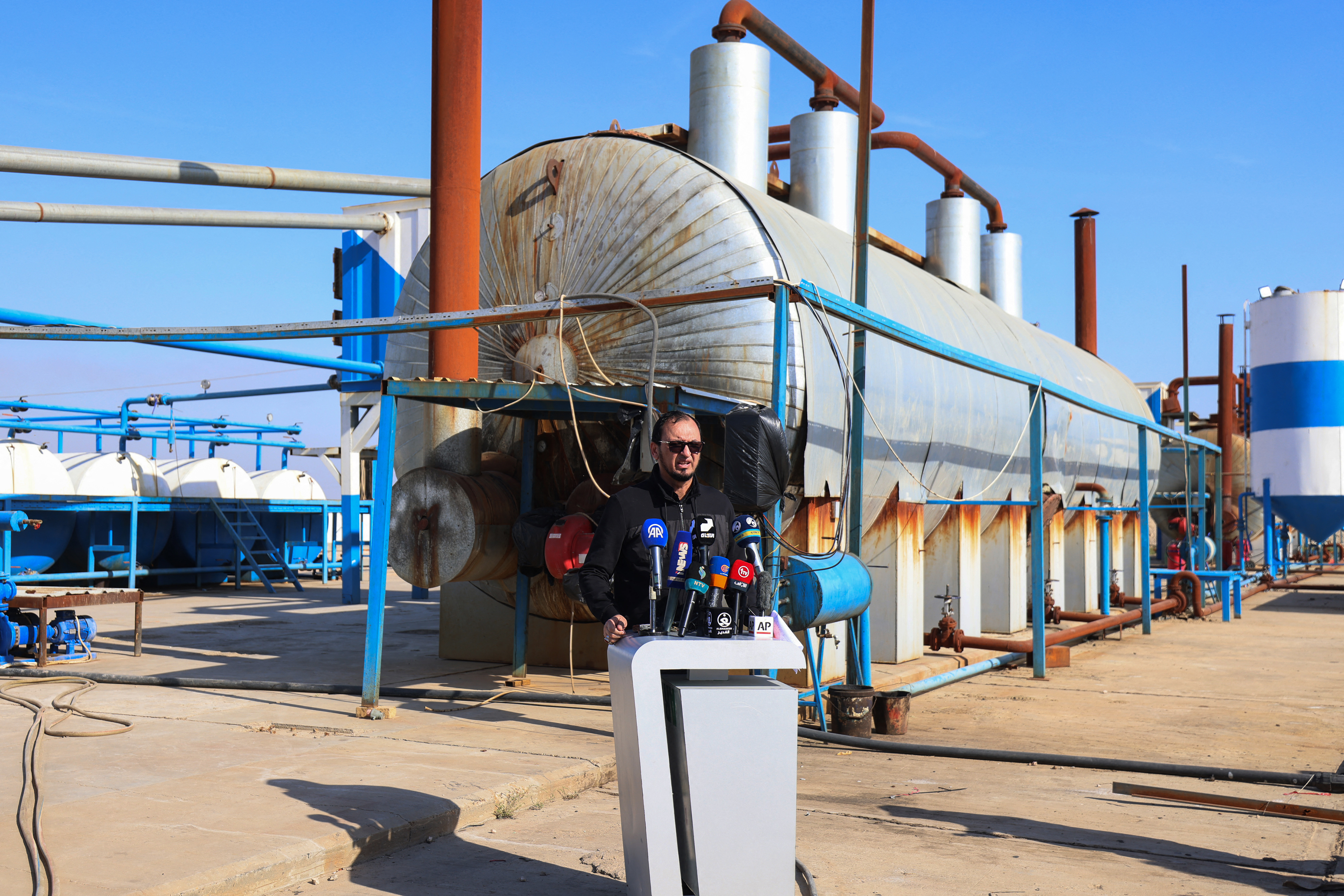
During a press visit to the area on Tuesday, Kataeb Hezbollah commander Abu Taleb Al-Saidi rejected the government’s accusations. Asked about the group leaving, he told AFP: “That will not happen, not even over our dead bodies.”
Al-Saidi described Prime Minister Al-Zaidi as “an adventurer heading toward inciting discord” and warned: “Iraq is on the cusp of a major crisis.”
It is not clear why Al-Zaidi has chosen this moment to order Iraqi security forces to take control of Jurf Al-Sakher.
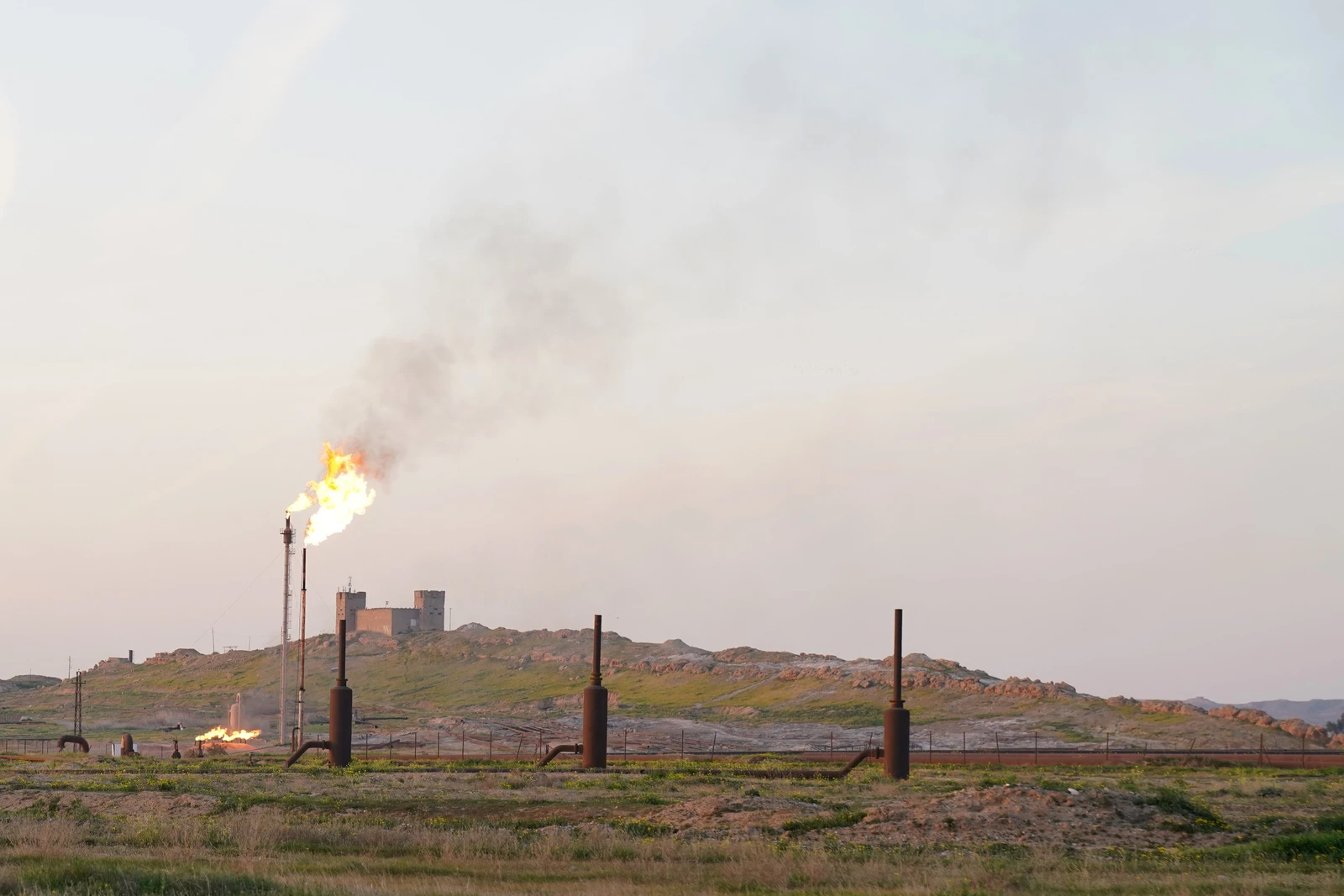
A classified Iraqi Interior Ministry intelligence report, details of which were published by Iraqi media on Nov. 9, suggested that the oil theft had been going on for at least five years.
The report, which drew on satellite imagery, said thefts had begun in 2021. It said oil was siphoned from pipelines that run through the area, transferred to a series of small refineries and then shipped out in tanker trucks that blended in with regular traffic en route to Baghdad.
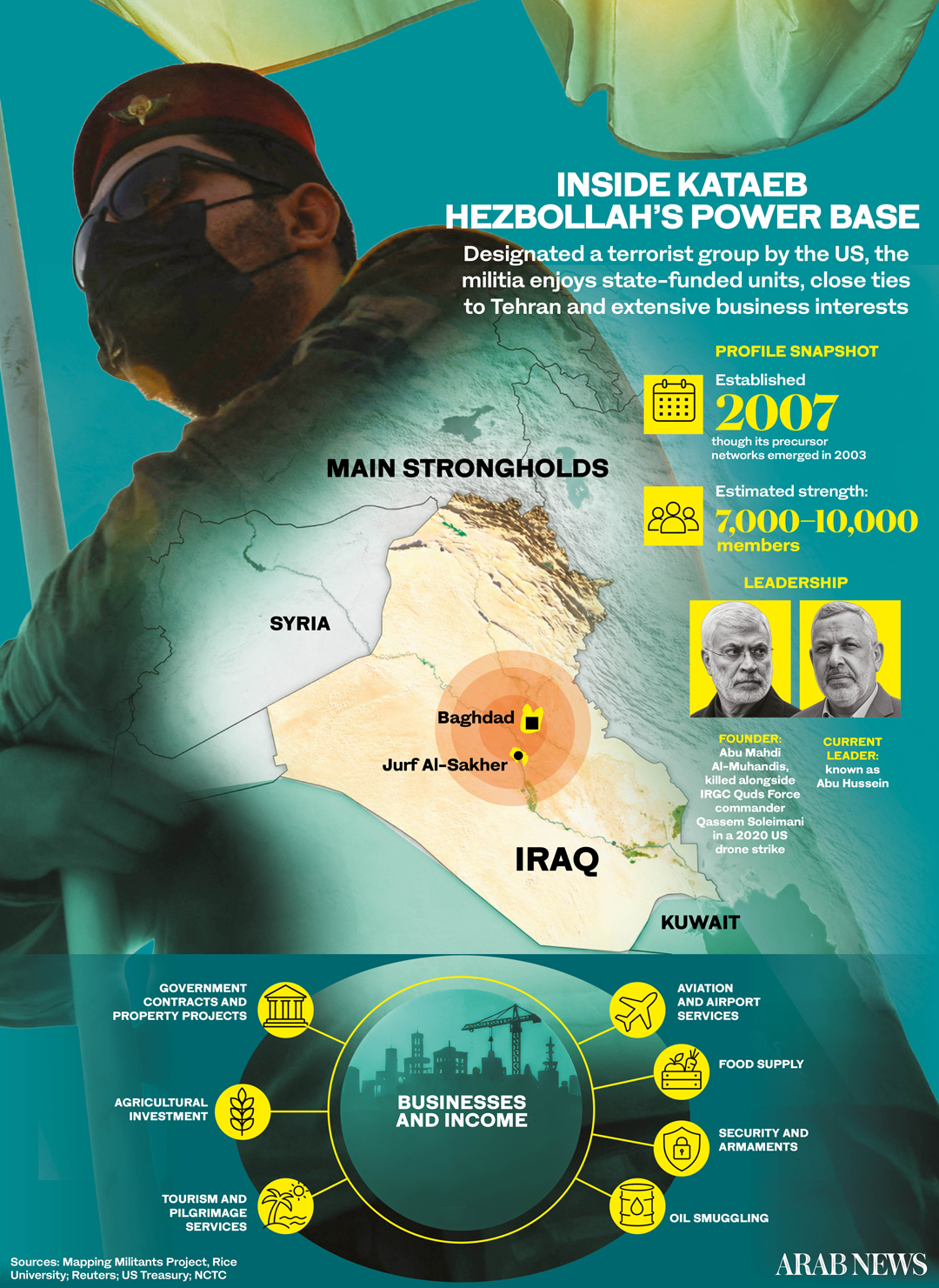
The report did not make clear the ultimate destination of the stolen oil, or say who its buyers might be. It also did not name Kataeb Hezbollah, but concluded that “oil smuggling operations are still ongoing ... because the area is under the control and protection of one of the armed factions.”
At an emergency meeting on Saturday, Al-Zaidi reviewed the findings of a government investigation into the oil thefts.
According to the Irbil-based Rudaw Media Network, the prime minister dismissed nine senior security and administrative officials and ordered that all suspects be referred to the judiciary.
Iraq’s deadline for disarming militants has already been moved once.
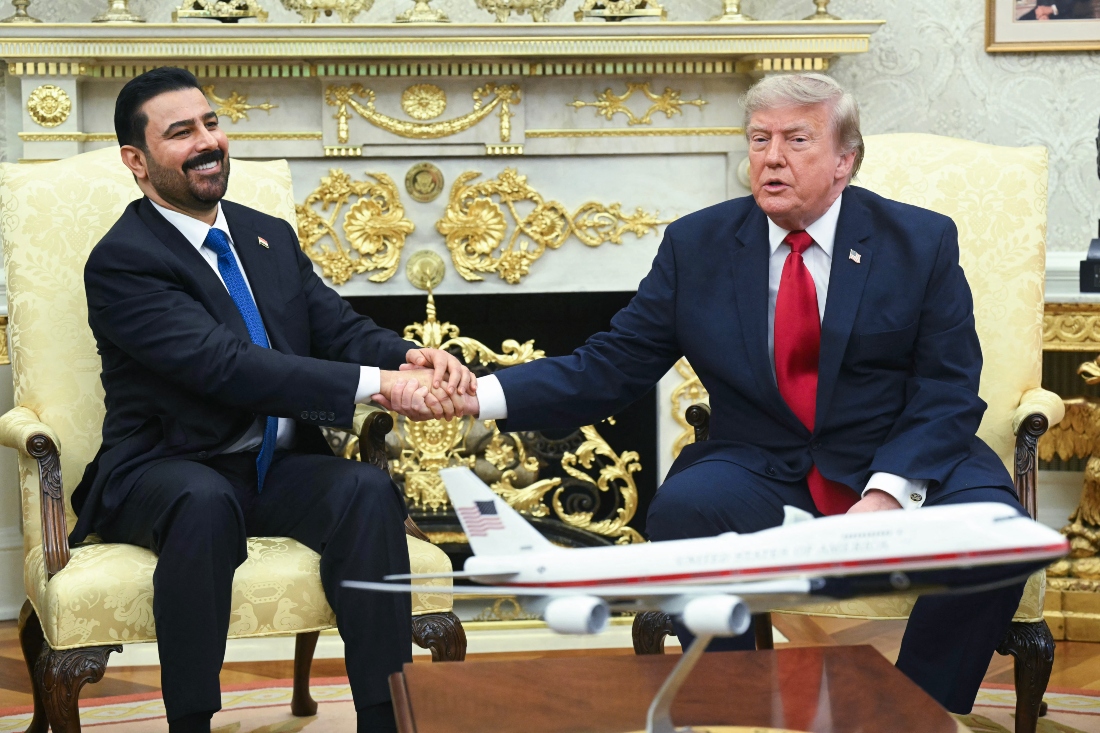
Al-Zaidi took office as prime minister in May with the backing of US President Donald Trump. In July, he gave Trump a Sept. 30 deadline for the militias to hand over their weapons, the same date set for the withdrawal of US troops from Iraq.
The troops withdrew on schedule. Al-Zaidi had already set a new disarmament deadline of June 30, 2027, in a New York Times interview published on Sept. 21.
“This is not something that is optional,” he said in the interview. “It is a necessity.”
His nation, he added, was determined “to build bridges and economic ties between Iraq and the countries of the world. Under this government, Iraq will be a meeting point, not a point of hostility.”
The first part of the new plan called for a 90-day period during which the militias would demonstrate good faith by carrying out no attacks, and in return would not be attacked by the US.
If that pause holds, the militias are scheduled to begin handing over their weapons in January, with the process due to finish by the end of June.
At that point, the government has said, the militias will cease to exist and their members “will join the Popular Mobilization Forces as individuals and integrate into them.” Any groups that refuse “will be deemed outlaws.”
That process now appears to be in some jeopardy.
In a statement issued on Sunday, Kataeb Hezbollah accused the prime minister’s office of “fabricating lies.”
“Since they were unable in practice to twist our arm with the slogan of surrendering weapons, they resorted to weakening us with the slogan of — God forbid — smuggling oil,” Al-Saidi told AFP.
In an apparent reference to growing pressure on Al-Zaidi from Washington, he accused Tom Barrack, US special envoy for Iraq and Syria, of being responsible for the “escalation.”
He added that “understandings were reached at the end of September” regarding the group’s weapons, but that “the government refuses ... to make it public.”
Even as Kataeb Hezbollah vowed on Tuesday that it would stay in Jurf Al-Sakher, a separate account suggested that Baghdad and Tehran had discussed a deal that would see the group leave.
According to Kurdistan24 news website, Al-Zaidi had a late-night meeting in Baghdad on Monday with Esmail Qaani, commander of the Islamic Revolutionary Guard Corps’ Quds Force.
Qaani succeeded Qassem Soleimani, who was killed in a US airstrike near Baghdad’s airport in January 2020. Two Kataeb Hezbollah officials told AP that Qaani came to Baghdad to mediate.
Kurdistan24 reported that Qaani and Al-Zaidi had “reached an agreement under which Kataib Hezbollah would soon withdraw from the Jurf Al-Sakhar sub-district in Babil province.”
Kurdistan24 cited Alhurra’s reporting from sources within the Coordination Framework, a political alliance that backs the prime minister. Under the reported agreement, Jurf Al-Sakher would be occupied by “a joint force of the Popular Mobilization Forces and security forces.”
No date was given for the reported withdrawal, and neither Baghdad nor Tehran has publicly confirmed the agreement. Kataeb Hezbollah’s commander has publicly rejected leaving the district.
With the reported Friday deadline approaching, Al-Zaidi’s immediate test is whether Iraqi security forces can take control of Jurf Al-Sakher without an armed confrontation.