NEW DELHI, 19 April — The day after 59 people were burned alive in a train in the western state of Gujarat last month, a screaming mob chased Sultani Sheikh and her family with sticks, swords and cans of kerosene in their hands.
“My clothes were stripped and I was left stark naked. One by one the men raped me,” Sultani, a Muslim woman from Delol village told a panel examining the impact on Muslim women of the country’s worst religious bloodshed in a decade. “I lost count after three,” a report by the panel quotes her as saying. “All the while I could hear my son crying.”
According to the report by a coalition of women’s groups, many Muslim females suffered the most “bestial forms of sexual violence” including rape, insertion of objects into their bodies and burning in the violence. More than 750 people, most of them Muslim, have died in a wave of reprisal killings and communal clashes in Gujarat since a Muslim mob torched the train carrying Hindu activists in Godhra.
The six-member team of women’s activists spoke to hundreds of witnesses and survivors of the religious mayhem to prepare the report, entitled “How has the Gujarat Massacre Affected Minority Women: The Survivors Speak.”
“Many of the women who were raped were then burned to death,” Malini Ghose, a member of the team, told Reuters yesterday.
But survivors and witnesses had horrific tales to tell the panel. Saira Banu, living in a refugee camp in Ahmedabad, Gujarat’s main city which bore the brunt of the violence, says a group of men cut open her nine-month pregnant relative’s stomach, took out her fetus with a sword and threw it into a blazing fire. Medina Mustafa Sheikh, another refugee in an Ahmedabad camp, says she heard her young daughter screaming for help as a group of men raped her in a maize field where her family had hidden to escape a bloodthirsty mob of 500 people.
“My daughter was screaming in pain asking the men to leave her alone. My mind was seething with fear and fury. I could do nothing to help my daughter from being assaulted sexually and tortured to death,” Medina told the women’s panel.
“My daughter was like a flower, still to see life...the monsters tore my beloved daughter to pieces,” she said.
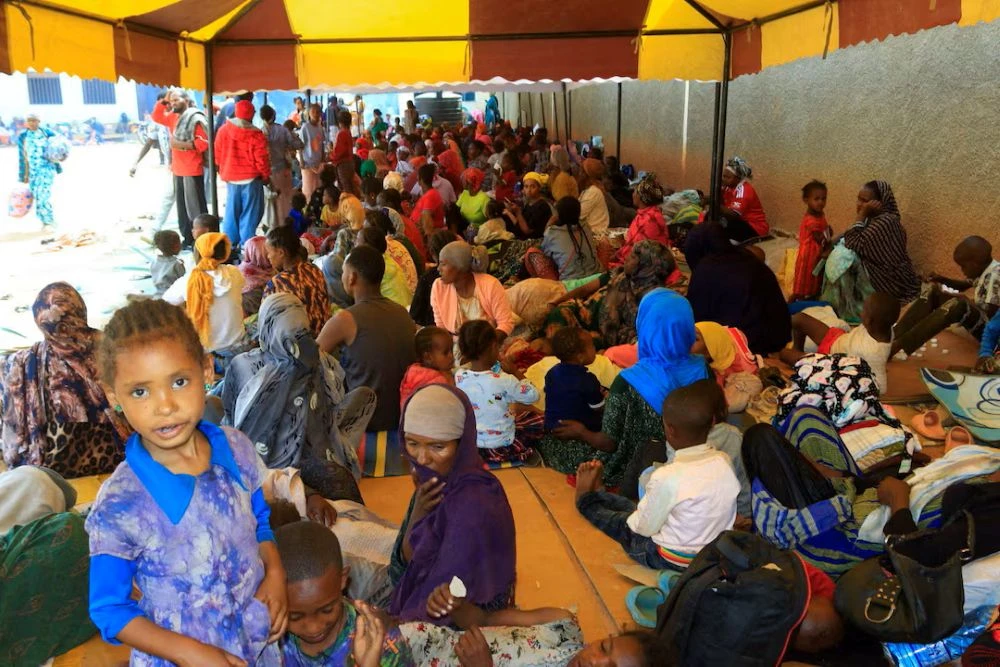
Activists working at a relief camp in Ahmedabad said many women arrived naked at the camp. One woman was brought to the camp unconscious, bleeding profusely, her body covered with bites and marks and relief workers dressing her wounds said they had to removed pieces of wood that had been pushed up her vagina.
Police say survivors of the religious violence have been filing more than 100 complaints a day, but activists say the issue of sexual violence has been “grossly under-reported”.
“This time round in Gujarat, far more than in previous episodes of communal violence, women have been fair game,” the report said. “Forced out of burning homes, running for their lives on violent streets, they have been targeted not only by rampaging mobs hellbent on hurting every Muslim woman, man and child in sight but far worse, by police whose job it was to protect them.”
Many Muslims, opposition parties and civil rights groups have accused the Hindu nationalist state government of failing to help Muslim survivors of the riots. They even allege the Bharatiya Janata Party state government turned a blind eye to the violence, allowing Hindu mobs free rein to kill, burn and loot — accusations it has denied.
Ashok Narayan, a senior official with the government, said the state had asked police to investigate the complaints made in the report.