TAIF, 29 July — Saudi Arabia is set to make tremendous educational progress within two years when 38 new colleges will open in various parts of the country, focusing on specializations required by the job market.
Higher Education Minister Dr. Khaled Al-Anqari said six of the 13 new community colleges will open in the next academic year. Each college will admit 4,000 students.
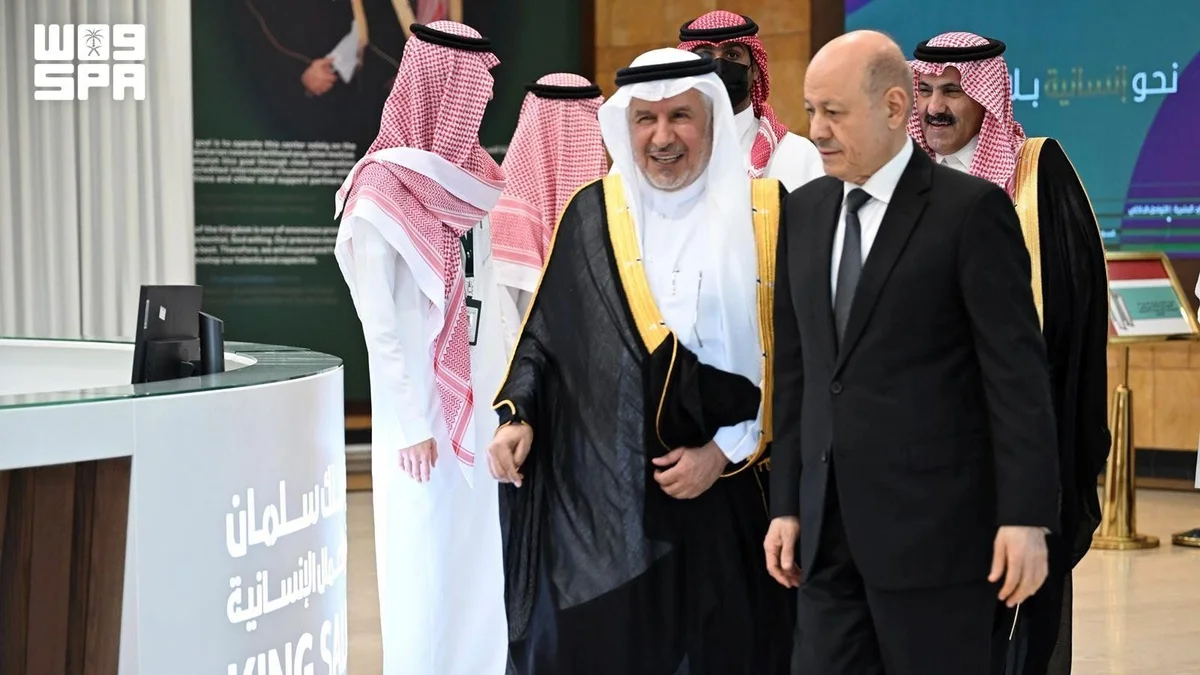
The minister was addressing a ceremony to mark the laying of foundation for the new Umm Al-Qura University campus here by Prince Abdullah, the regent, and opening of the project’s first phase.
The ceremony was attended by Prince Sultan, second deputy premier and minister of defense and aviation, other princes and high-ranking officials including Prince Miteb, minister of public works and housing and Makkah Governor Prince Abdul Majeed.
“We pray to God for the progress and prosperity of our Saudi youths,” the regent said while unveiling the plaque of the multimillion-riyal project.
Al-Anqari highlighted the government’s efforts to promote educational development. “A number of new colleges has been opened during the past three years,” he said.
They included four science colleges in Taif, Abha, Qassim, and Al-Ahsa, two colleges of medicine in Madinah and Qassim, a college of pharmacology in Jeddah, an engineering college in Abha.
“We have started implementing more than 80 diploma programs in a number of specializations required by the job market, such as laboratory and X-ray, computer science, communications and marketing,” he pointed out. About 10,000 secondary school graduates have already joined these programs.
The minister disclosed plans to open a university college for applied sciences in Jouf and upgrade the community college in Hail. The Hail college will provide bachelor degrees in electrical engineering, computer science and administrative information systems.
He said six new community colleges will be established in Baha, Najran, Riyadh, Alkharj, Jeddah, and Dammam.
“These colleges will focus on specializations required by the job market including computer science, health science, marketing, accounting and financing.”
Studies at the College of Pharmacology in Abha, the colleges of medicine in Jizan and Al-Ahsa, and the college of administrative science in Madinah will commence in the new academic year.
Al-Anqari said more than 6,000 students have been sent abroad for higher studies, especially in medicine and engineering.
Of the 38 new colleges, 20 will be established by the private sector.
The government has already approved two private universities and 26 private colleges in various parts of the Kingdom, Al-Anqari said. Studies have started at six of these private colleges, he pointed out.
In his address, Turki ibn Abdullah Al-Qarni, a student, thanked Prince Abdullah for directing the authorities to increase the number of seats at Saudi universities by 30 percent for new admissions.
Dr. Nasir Abdullah Al-Saleh, acting president of Umm Al-Qura University, said the new campus in Taif will have 13 colleges, including a medical college.
The government has spent more than SR1.7 billion on the university’s campuses in Abidiya, Zahir (Makkah) and Taif, he said.
There are 30,000 students in Umm Al-Qura’s colleges, of whom 6,000 are in Taif.
The university intends to provide admission to 6,800 students in the new academic year including 500 students at the College of Medicine.
Dr. Saleh highlighted the tremendous development achieved by Umm Al-Qura University's branch in Taif over the years.
The government had donated King Saud's palace in Hawiya for the university. It was renovated to accommodate both the colleges of education and science.