AHMEDABAD/NEW DELHI, 30 July — The memory of killer mobs has not stopped haunting them.
For thousands of Muslims in Gujarat who survived a three-month virulent attack on the community that left over 1,000 dead, the terror is not over.
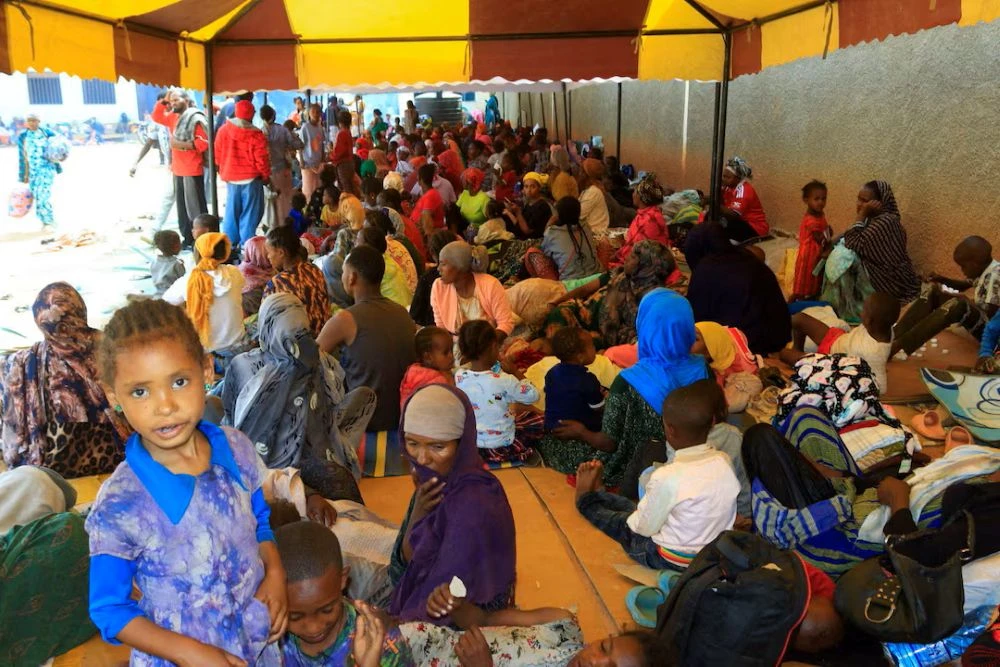
Tens of thousands of Muslims still crowd makeshift relief camps, fearful of returning to their destroyed homes. Many of them ask: Will Gujarat’s 10 million Muslims participate in state assembly elections if they are called now?
“Many Muslims still fear mob attacks and refuse to budge from the camps or shift to houses built for their rehabilitation,” said Inamul Iraqi, one of the organizers of the camp at Dariakhan Ghummat here.
“Muslims need at least six months to gather their wits and come to terms with the traumatic experience before they can think of elections.” Added Mohsin Quadri, an organizer at the Shah-e-Alam camp: “Normalcy has not yet returned. The morale of the Muslims is down.”
Their comments assume significance in view of Gujarat Chief Minister Narendra Modi’s claim that the communal situation in the state was normal and elections to its 182-seat assembly, due only in February, should be called now.
Officials of the Election Commission said yesterday that it will send a fact-finding team to Gujarat to explore the prospects of holding early polls to the state assembly.
A spokesman for the commission said a nine-member team would travel to Ahmedabad today to “review the existing situation and preparedness of the state machinery for conduct of free and fair elections in the state”. Two deputy election commissioners — A.N. Jha and S. Mehndiratta — will be part of the team that is expected to visit several districts in the state.
Gujarat witnessed the decade’s worst communal violence after a mob torched two coaches of a train on Feb. 27 at Godhra town, some 150 km from here, killing 58 people. Most of the dead were Hindus. Right-wing Hindu mobs went on a rampage, killing Muslims and looting their properties. The ruling Hindu extremist Bharatiya Janata Party (BJP), which has dissolved the state legislature and called for early elections, reportedly believes it would win the polls on the strength of Gujarat’s Hindu majority votes.
The opposition has slammed the BJP demand for early elections saying the communal troubles in the state are far from over. Iraqi said while the city-based Muslims were somewhat composed by now, those in the villages were still badly scarred psychologically.
The number of camps in the cities has gone down from 52 to 20. Some Muslims have moved to houses built by NGOs like Lok Shakti and Islami Relief Committee.
“But things are different in the villages where Muslims are still terrified and will not dare to venture out to cast their votes. If the polling booths are in Hindu areas, then you can forget about Muslim participation.”
Quadri said: “Normalcy may have returned to Ahmedabad but not to Gujarat.” He said communal passions still raged in many villages like Sardarpura and Chapi of Mehsana district, where 45 Muslims were burnt alive. Added Qaudri: “Assembly elections should be delayed to give Muslims time to prepare themselves to participate in it.”
In Sabarkantha and Mehsana districts in north Gujarat, all the 19 relief camps where 11,000 refugees lived have been shut down. But many Muslims are yet to return to their villages. Said traumatized survivor Rajikbhai Sheikh from Sabarkantha’s Satnagar village: “I have heard that only 10 of the 115 affected families in my neighboring village have returned home. We will never go back.”
Muslims blacksmiths from Demai village of Bayad sub-district say Hindus have warned them not to hold any social functions, take part in political activity or celebrate Muslim festivals. Said worried Congress leader Khadimbhai Lalpuri at Himmatnagar: “In some villages, those who have returned are not sold milk or food. Those who own shops are boycotted. “If early elections are held, how many of the rural Muslims will be able to vote is a question that bothers everyone.”