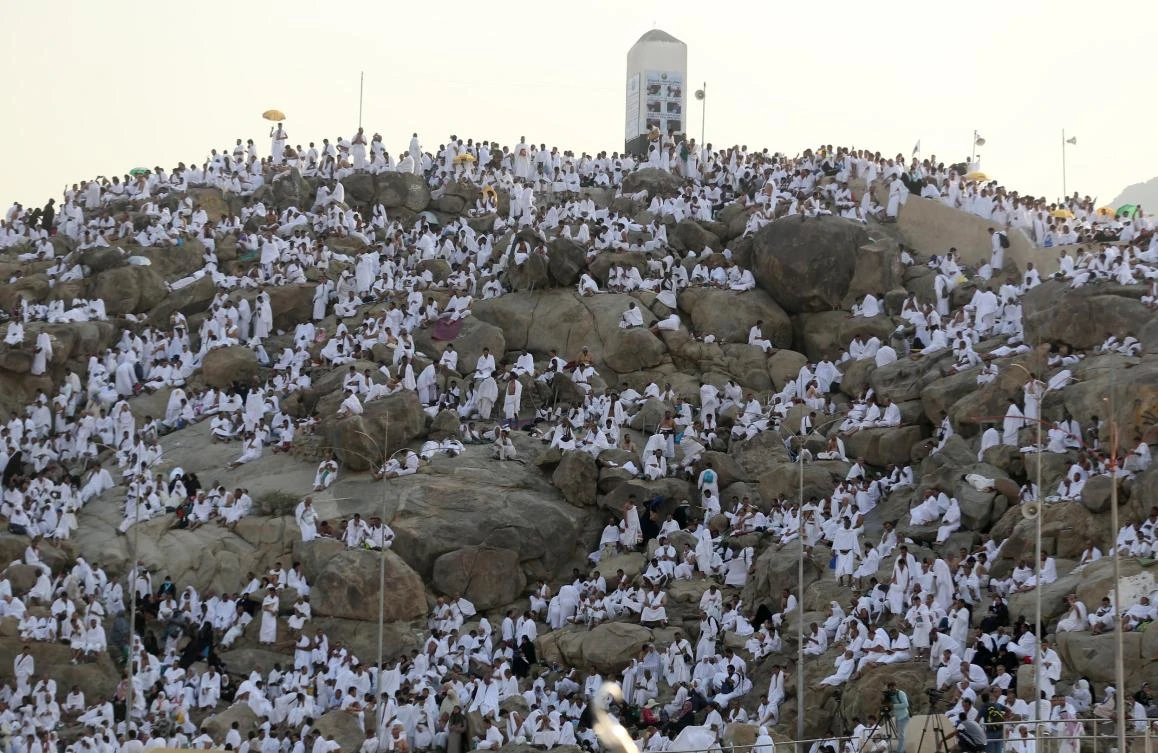
It is true we live in a country that is largely desert but this doesn’t mean we don’t see rain from time to time. This precious commodity is so mixed up with our customs and life that we hold prayers for rain when the rains are late.
The picture we earlier had in our minds of the rainy season has been completely transformed. Scenes of happy days and joyful celebrations when raindrops fall have now been replaced by those of an imam leading the faithful in prayerful supplications for rain, weather forecasters on television telling people what most of them don’t believe, traffic and civil defense officers swarming through the streets, the sound of wailing ambulance and fire engine sirens, disgruntled motorists wading through flooded streets and the noise coming from pumps mounted on trucks hired by the municipality to drain the streets in the absence of a proper and efficient drainage system.
Recalling these things, the first question that pops into your head is what would happen if the prayers were answered with real downpours. Of course, everyone becomes happy when the rains come but this happiness would soon give way to frustration and anger when seeing the chaos of our streets, flooded and impassable.
Rains reveal the shortcomings and failures in our urban infrastructure, the lack of proper planning and the badly designed roads which always seem to have signs everywhere reading “Road Being Repaired — Drive Carefully.”
It seems the weather forecast issued by the General Presidency of Meteorology and Environmental Protection are only used for working out contingency plans in the absence of long-term strategies for our cities and streets. All over the world in cities where it rains round the year and for several days consecutively sometimes, you will not find water standing in the streets, let alone flooding your car. It all drains away.
Mandatory car insurance will become the norm in a few days time. This is a good opportunity for insurance companies to prepare themselves to take legal action against the municipalities of some cities for the bad planning which results in damage to people’s property. Traffic departments, the Red Crescent and other service establishments too should demand answers from the municipalities. Perhaps the demands would convince them to plan for the future — which seems unknown at present.