
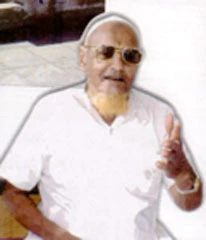
JEDDAH, 8 May 2003 — Osman Ahmad Al-Kaseri, 70, has worked at the Al-Assad cemetery for 40 years. The cemetery gets its name from a large stone with a lion on it. A superstition among local people is that the stone with the lion was a magic charm, and they often entered the cemetery to access its powers.
But Al-Kaseri did his best to prevent them from coming into the cemetery. When he failed, he called the Department of Islamic Affairs, whose officials destroyed the stone.
“I have buried thousands of men, women and children in this cemetery,” he told Al-Madinah newspaper. “I cannot tell you exactly how many because, as you can see, I am an old man. If you want to know, you can go to the department and get the total number.”
Al-Kaseri remembers the child who came to life just moments before he was buried. “This happened 30 years ago in the Bab Shareef area. The child was nine years old and his family brought the body to the cemetery at 11 in the morning with a permit to bury him. In the room where we washed the dead, I put my hands on his body and discovered that it was warm. From the appearance of his body, there were no indications that he was dead. I am an expert on such matters. I can tell the difference between a living person and a dead one.
“Anyway, one of the boy’s relatives threw water on his face and the child screamed. His parents fainted and the boy stood up and walked off the table. The hospital denied having given a permit to bury the child and as they do, each doctor blamed someone else for the mistake. In the past, people were buried quickly without making sure they are dead. I thank God, however, that I did not rush to bury that boy.”
Al-Kaseri told the newspaper that dealing with the victims of traffic accidents was especially difficult. “In those cases, we often have to deal with bodies that have been cut into pieces. Sometimes more than three people wash the bodies because they have been injured and broken in strange ways. Most of those involved in the accidents are unfortunately young people.”
Among the problems Al-Kaseri faced in his long career was the body of a man who had been executed. “The problem was that his head had not been completely severed from his body. I had to call the police who brought the executioner to the cemetery to finish the job. We considered that a very strange execution.
“Another unusual story is that there are three people buried here, a woman and two men who have been buried for more than 30 years. Every year we open graves to gather up the remaining bones and bury others. Strangely, their bodies have not decayed. When we asked about them, their families told us that they were religious people who had memorized the Holy Qur’an.”
Al-Kaseri said his family is very sensitive about his profession. “I have been married for a long time and my wife has often asked me to leave this job and find a new one. I refuse because I like my job. I know that many people look on my job with fear but I am not afraid. There are people, you know, who are afraid to enter cemeteries or even walk beside them. My neighbors are afraid to come into my house because I have tools and things related to my work in the house.”
Al-Kaseri’s wife once threatened to file for divorce if he did not leave his job, but he convinced her not to listen to others. “I have six children. Mind you, they don’t tell the truth about my job when they are filling out school applications or when someone asks them. My daughters won’t even eat at the same table with me. They make all kinds of excuses. One claims that she is on a diet and another says that she is tired and wants to sleep. My youngest daughter is my favorite because she is honest with me; she says that she does not like to eat with me because I am a gravedigger. But I am firm and don’t pay them much attention when they try to convince me to change my job.”