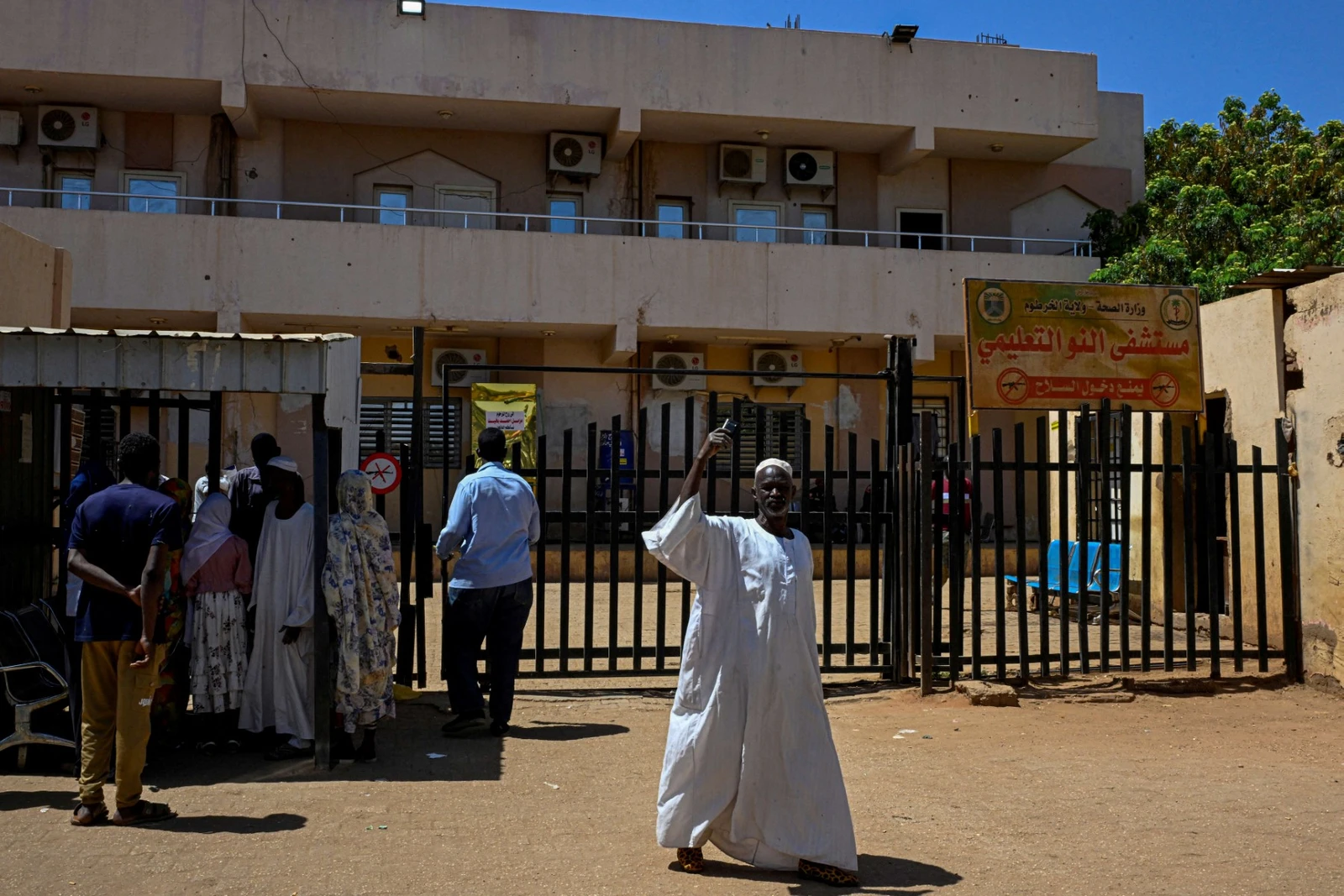
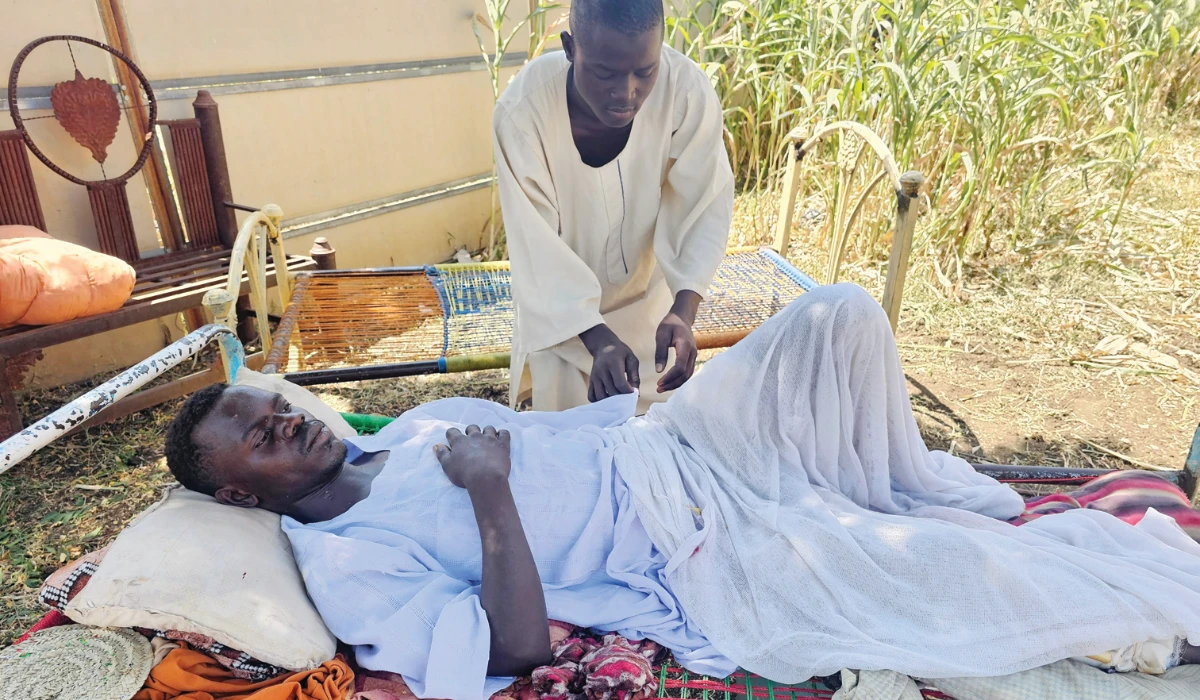
- A year after the RSF seized the Darfur city, a BBC investigation documents 43 attacks on healthcare sites during the siege
- Survivors describe torture, killings and ongoing intimidation as Amnesty warns that civilians remain unsafe under RSF control
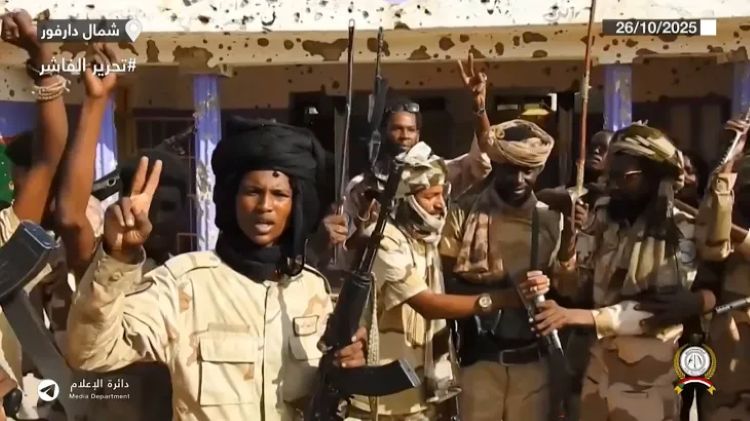
LONDON: One year on from the fall of the Sudanese city of El-Fasher, allegations have emerged that the paramilitary Rapid Support Forces deliberately targeted hospitals and health workers during the 18-month siege.
Some details of the atrocities carried out by the RSF in El-Fasher were already known. In October 2025, the Sudan Doctors’ Network claimed that 460 people had been murdered at the Saudi Maternity Hospital.
RSF fighters, they said, had “cold-bloodedly killed everyone they found inside ... including patients, their companions, and anyone else present.”
At the time, the massacre drew condemnation from the World Health Organization. It was denied by the RSF, but satellite imagery acquired by the Humanitarian Research Lab at Yale University on Oct. 27 and 28 appeared to show clusters of bodies in the grounds of the hospital.
But fresh evidence, reported last week by a BBC team that conducted extensive interviews with medics who had fled the city, suggests that the deliberate targeting of healthcare facilities in the city by the RSF was even more widespread than previously thought.
The BBC said it had documented “at least 43 separate attacks on hospitals and healthcare sites” between May 2024 and October 2025, when the city finally fell.
It also reported that 55 medical workers were killed, 120 injured and 10 “forcibly disappeared or abducted.”
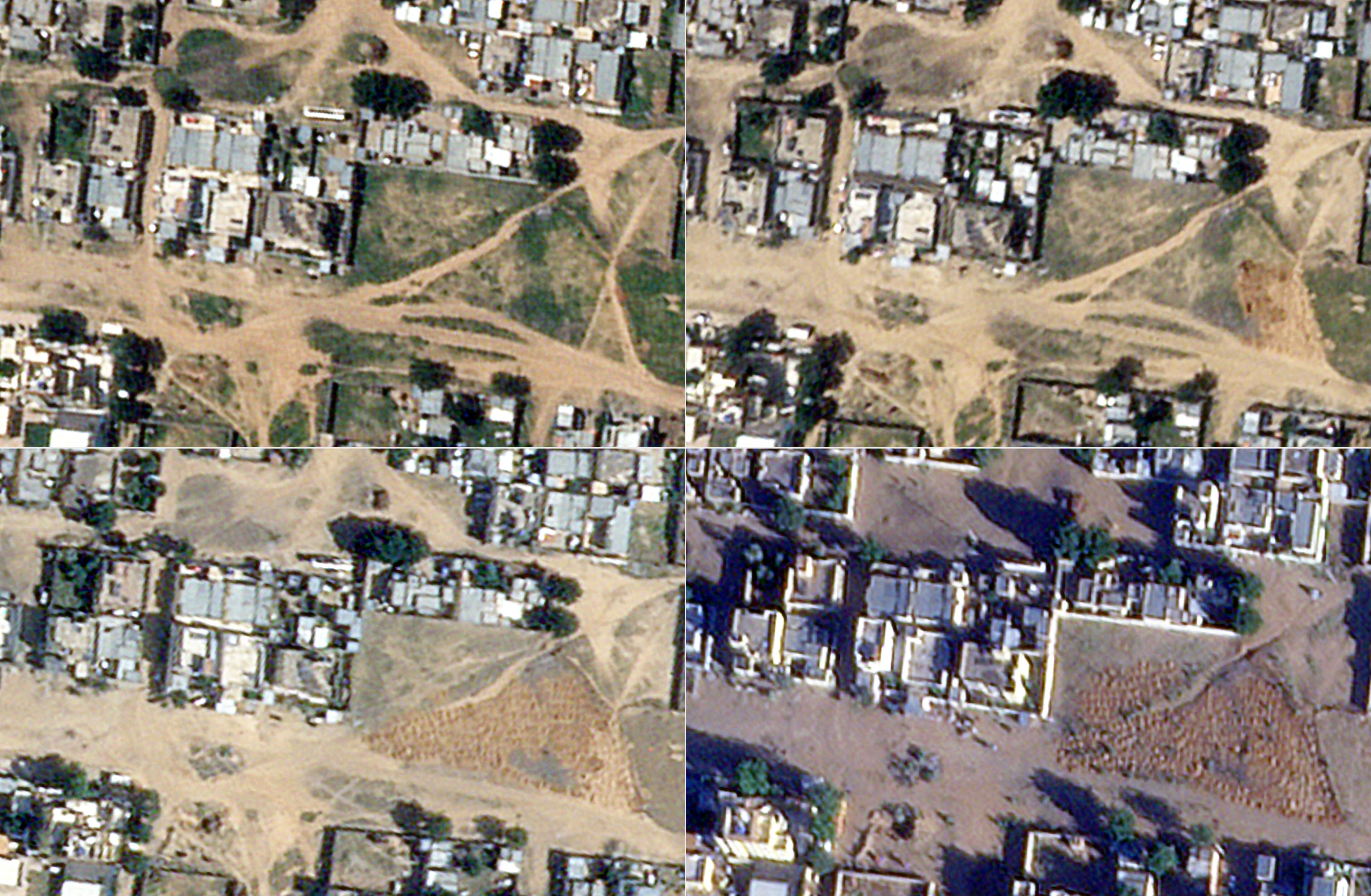
Mohamed Madi, a senior broadcast journalist who worked on the report with Barbara Plett-Usher, the BBC’s Africa correspondent, told Arab News they had not been able to visit El-Fasher.
Instead, they had conducted interviews from Nairobi, Kenya, with medics who had escaped from the city and were now in various parts of Sudan, including Omdurman and Khartoum.
They also spent several months reviewing and verifying open-source video footage and still photographs.
Dr Muhamed Suliman, a surgeon who was in El-Fasher during the siege, told the BBC that the RSF had been “trying to put (the hospitals) out of service because the health system is the cornerstone of any city or any state.”
He added: “The RSF started hitting these areas so citizens no longer have any way to stay there. It was intense. It was deliberate. It was planned.”
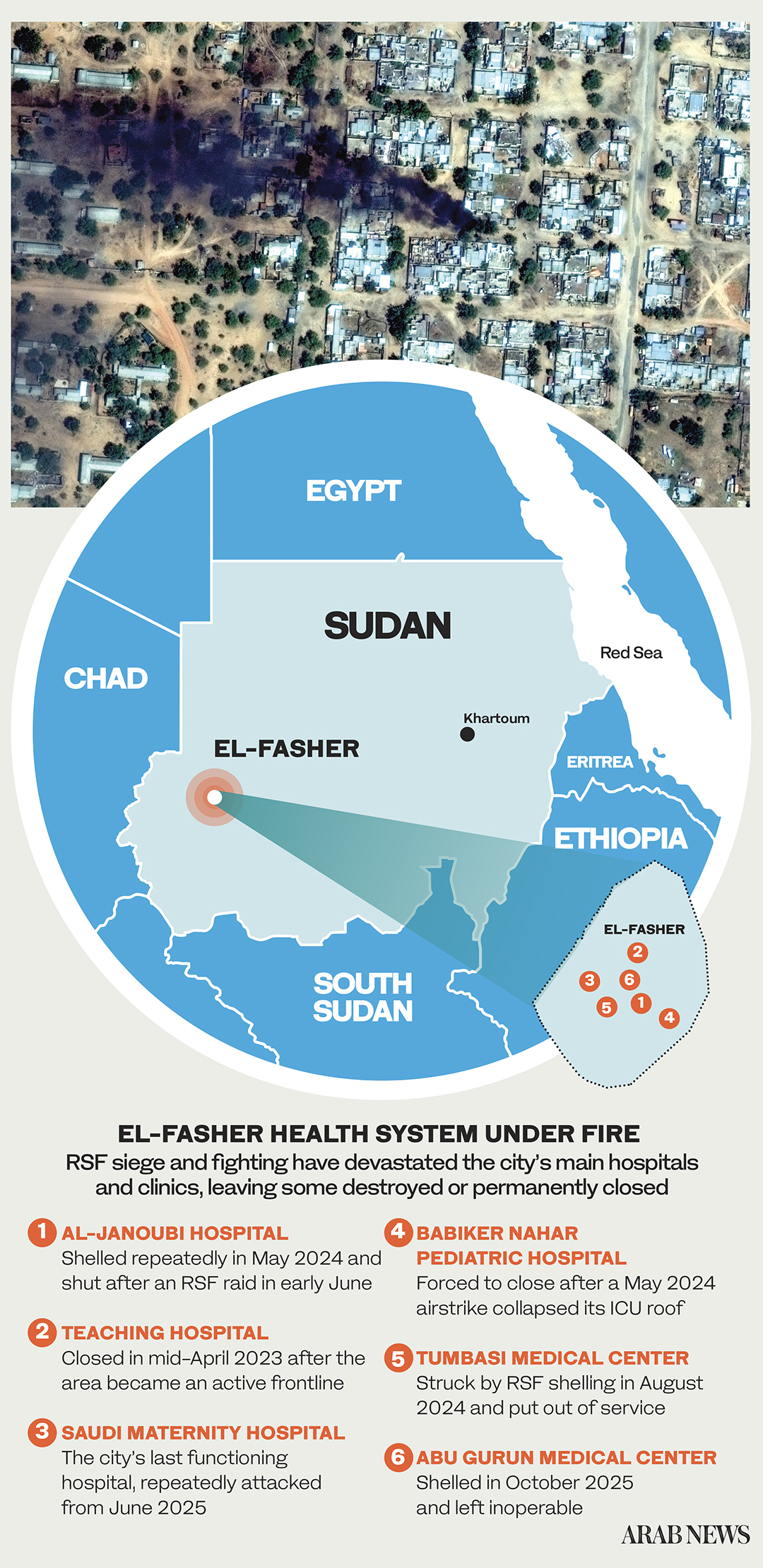
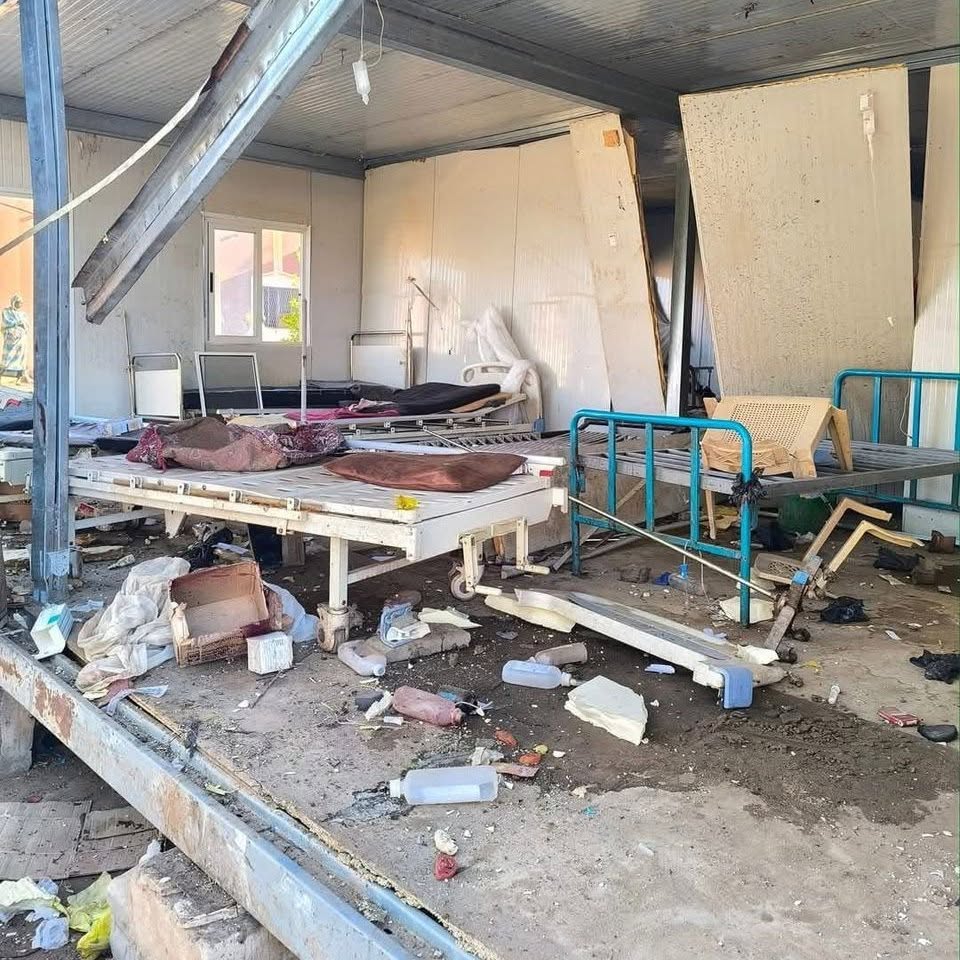
The investigation found that in May and June 2024, the city’s South Hospital — also known as Al-Janoubi Hospital — “was shelled several times as paramilitary fighters pushed forward from their positions in the east of the city.”
The hospital was raided and briefly occupied on June 8. Many staff managed to escape but when government forces retook the hospital later the same day, they discovered the bodies of several murdered patients and found medical equipment had been deliberately destroyed.
The hospital closed and later fell back into the hands of the RSF.
Interviewed by the BBC, the health minister of the self-proclaimed RSF-backed Government of Peace and Unity, Dr Alaa Eldin Nugud, claimed the South Hospital had been used as a military base, an accusation strongly denied by the doctors who worked there.
After South Hospital closed, staff and equipment were relocated to the Saudi Maternity Hospital in the west of the city, which then immediately came under attack.
Six doctors in exile spoken to by the BBC insisted the hospital had been systematically targeted multiple times, at one stage being struck up to 25 times a day by a mix of drones and artillery shells.
Other medical facilities were also targeted, including the Specialized Children’s Hospital, which was forced to move to two different locations before finally being forced to close.
According to the report, by the time the city fell to the RSF, on Oct. 26, 2025, only the Saudi Maternity Hospital was still functioning, despite having been badly damaged.
Interviewed in Nairobi by the BBC, Dr Nugud dismissed all the allegations as “lies” designed to discredit the RSF.
The RSF-backed government says most healthcare services in the city have been restored and has released videos on social media purporting to show the Saudi Maternity Hospital and the Teaching Hospital up and running.
Dr Nugud told the BBC that doctors had chosen to stay and work after having been “liberated.” But one of the doctors featured in a video with Dr Nugud told a different story.
“I was forced to be there,” Dr Al-Haj Mohamed Ahmed told the BBC. “If I spoke out of line, they’d put a bullet through my head.”
The targeting of hospitals is just one aspect of the RSF’s behavior during and after the siege of El-Fasher that has been condemned by international bodies.
On Feb. 19, a report by the Independent International Fact-Finding Mission for the Sudan for the UN Commission for Human Rights found that “the mass killings and related atrocities committed by the Rapid Support Forces in and around El-Fasher, during its takeover of the city on or around Oct. 26 and 27, 2025, are indicators of a genocidal path.”
The crimes, the report added, “followed an 18-month siege during which the Rapid Support Forces deliberately imposed conditions of life calculated to bring about the physical destruction of non-Arab communities, in particular the Zaghawa and the Fur.”
El-Fasher is not the only place in the Darfur region where healthcare infrastructure has been damaged or destroyed during the civil war, which began in April 2023.
In March this year the World Health Organization condemned an attack on a teaching hospital in Al-Daein, the capital of East Darfur state, in which at least 64 people, including a dozen children, were killed.
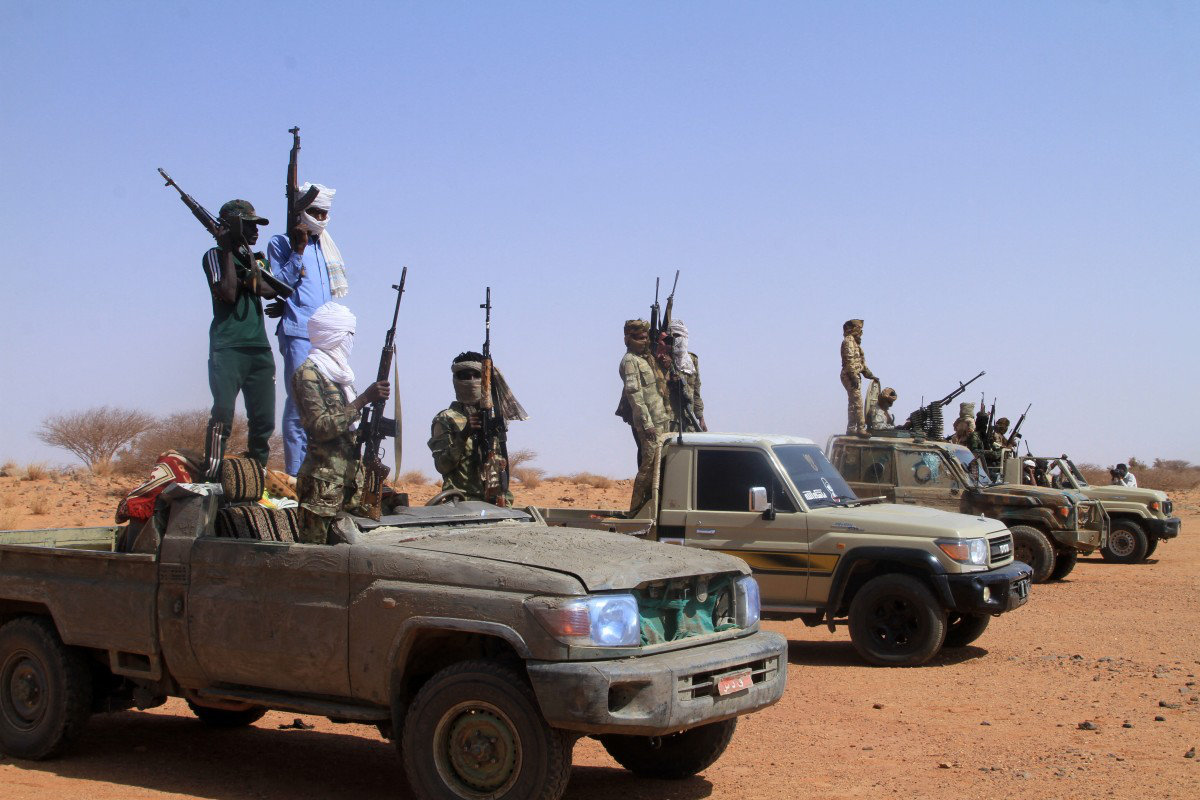
The WHO said the conflict had so far claimed the lives of 2,036 people in 213 attacks on healthcare facilities. Al-Daein was under the control of the RSF, and on this occasion the SAF was accused of having hit the hospital. It has denied responsibility.
One year on from the fall of El-Fasher, information about conditions inside the city is hard to come by.
But according to Medecins Sans Frontieres, which was given rare access in January, El-Fasher, once a city of a million people, is now a virtual ghost town with only 70,000 inhabitants remaining.
Under constant supervision by the RSF, the MSF team was allowed to spend only four hours in the city, during which time “we saw destroyed areas, largely emptied of the people who used to live there.”
In a statement on Jan. 28, MSF added: “Although we were unable to carry out a thorough and independent assessment, we did not find massive acute medical needs across what now looks like a ghost town, with few civilians who remained or have since returned.
“This is in stark contrast to the regional capital it once was.”
Although few independent witnesses have been able to gain access to El-Fasher, Amnesty International has been collecting testimonies from people who fled the city.
“The RSF’s claims that El-Fasher is safe for civilians to return to after the horrific massacres that took place one year ago could not be further from the truth,” said Agnes Callamard, Amnesty’s secretary-general, in a statement issued on Oct. 23.
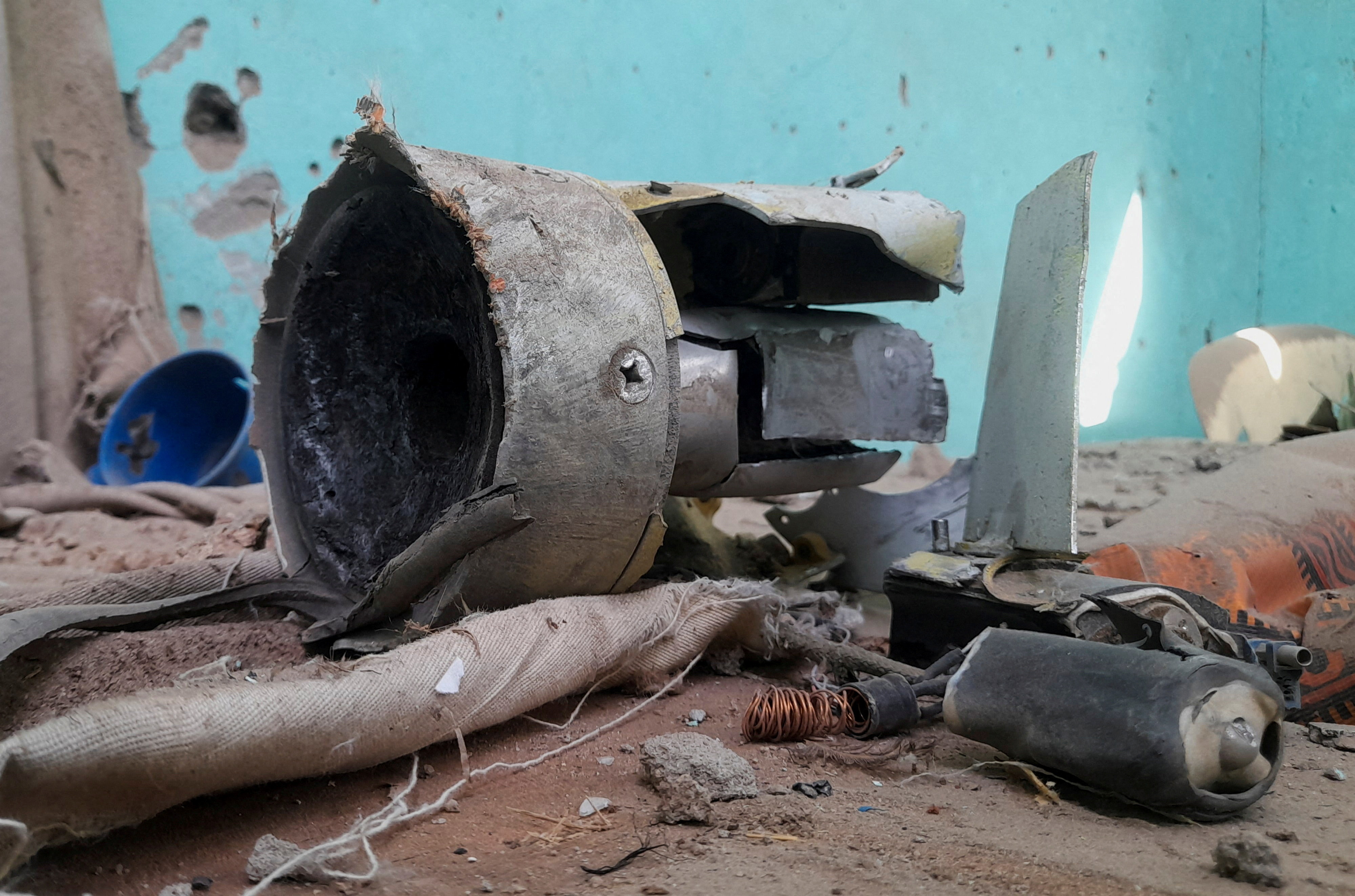
“A pervasive pall of fear hangs over El-Fasher today. Men and women live under constant RSF surveillance, and with the ongoing threat of detention, torture and killing.”
Callamard said the international community “has failed to take the necessary actions to address the desperate plight civilians face as the conflict rages.
“The moves towards a ceasefire have been half-hearted, and Amnesty International is not aware of any diplomatic attempts to establish an international force that would meaningfully protect civilians.”
She singled out one state player in the conflict for criticism.
“Crucially, the United Arab Emirates has continued to support the RSF, while governments with the required influence have largely failed to name and denounce their role or hold them to account.”
Amnesty’s accusation that the RSF committed crimes against humanity and ethnic cleansing during its campaign to seize El-Fasher is supported by testimonies it gathered in August and September from 25 civilians, including 19 residents and six humanitarian workers.
All but one of the civilians had managed to flee the city.
“Modathir,” a 29-year-old Zaghawa man who had been held in Shala prison before escaping in July 2026, told Amnesty he had been regularly beaten and had witnessed killings.
“Torture is something which is permanent in any (RSF) detention,” he told Amnesty.
“They executed people who tried to look at them … If you sleep a lot, they don’t like that, they will execute you. They ask, ‘You want to take a rest? We will give you permanent rest’.”
Another Zaghawa man, 33-year-old “Mamoun,” who was also held in Shawa prison until July, said he had witnessed the RSF shooting prisoners, and the death of a man with untreated diabetes whom his captors had refused to help.
“They take people out randomly, they accuse you of being with the Joint Forces or the military … And they beat you until you faint … Sometimes I was beaten four times a day … It just depends on their mood.”
Mamoun was eventually released after his family paid a ransom.
Women and children were held in schools that had been turned into detention centers. Women who had escaped in July or August this year described high rates of malnutrition among children, a lack of medicines and regular beatings.
As of September, a small number of humanitarian organizations had been able to return to the city, but residents said their movements were closely monitored and residents were prevented from speaking freely to them.
One resident who had returned to El-Fasher in June 2026 told Amnesty: “The El-Fasher I knew is gone, it is a completely destroyed city.
“The public infrastructure, the schools, government institutions, hospitals, all are destroyed … It seemed like everybody is watched very closely, they don’t give humanitarian workers any private space to talk … Everybody is terrorized.”