RIYADH, 16 October 2003 — Saudi Arabia’s first human rights conference, which concluded here yesterday, called for an active role for women in society, but in ways that did not violate the teachings of Islam.
The conference stressed the need to highlight the role of Islam in protecting human rights at international forums and events. It also called for the establishment of national committees on international human rights.
“The conference emphasized the need to adopt common international standards for human rights that demand respect for religions, cultures and the traditions of all peoples,” said the resolutions adopted by the conference.
It particularly urged international organizations to protect human rights in Palestine.
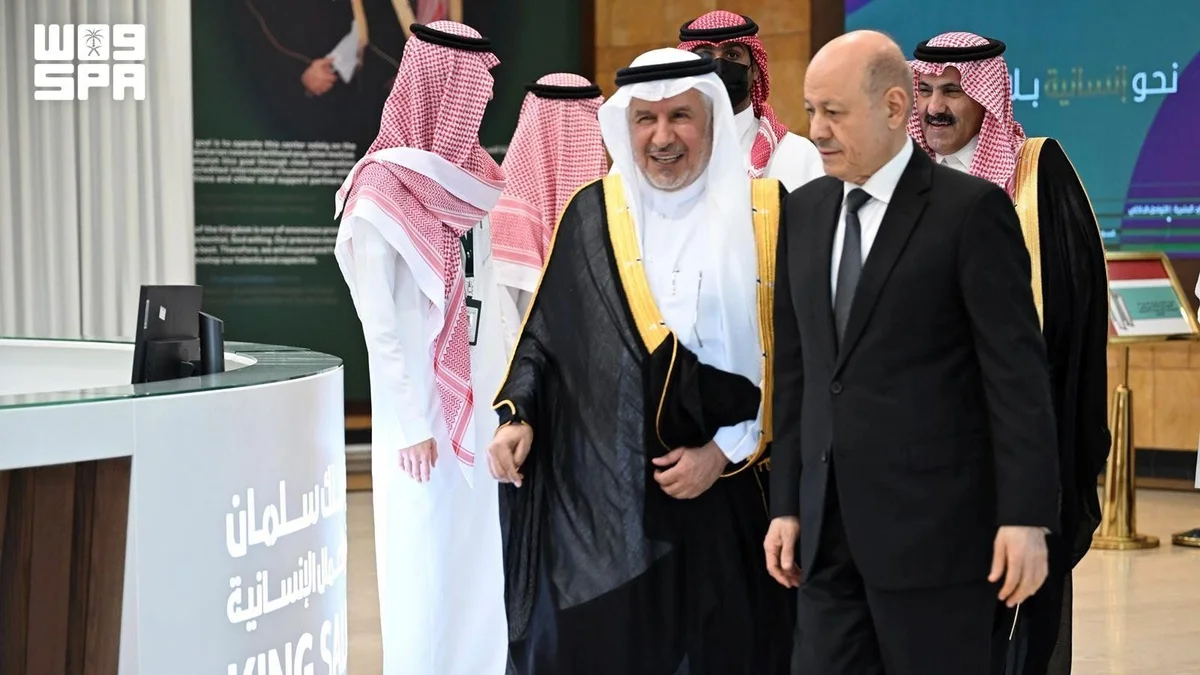
Dr. Abdul Rahman Al-Suwailem, president of the Saudi Red Crescent Society, gave a closing speech at the final session, thanking Minister of Interior Prince Naif for sponsoring the conference. He also thanked the national and international speakers who participated in making the conference a success.
Dr. Al-Suwailem said that Saudi Arabia is and will continue to be the guardian of Islam, the ultimate protector and guarantor of human rights.
One of yesterday’s most important sessions dealt with Saudi Arabia’s stand on the human rights issues and international laws. Other sessions talked about the implementation of human rights laws and how they can be implemented in different national systems.
Princess Hussa Bint Salman talked about Saudi Arabia’s stand on human rights, and said that the Kingdom made a formal amendment to Article 41 of the International Human Rights Convention.
Such articles, she said, ensure that all humans are born free and are equal in terms of their dignity and their rights. Despite being a developing country, the Kingdom has had a strong say on human rights issues on the international level and agreed with UN human rights resolutions that focused on universalism, the right of people to express their individuality, and civil and political rights, she said.
Princess Hussa said Saudi Arabia also established several systems that guarantee civilian rights, adding that Islamic countries should take a unified stance on international human rights issues that are not compatible with Islamic law.
Dr. Lubna Al-Ansari, associate professor at the College of Medicine, King Saud University, called for the protection of human rights in all societies as it represents the basis of stability and progress.
Presenting a paper at the conference, she stressed the importance of education on human rights as it will enhance the understanding of and respect for human rights in the country.
Professor Muhammad Musailihi spoke about the implementation of human rights in the Kingdom and rebuked attacks against Saudi Arabia from abroad. He mentioned the fact that Saudi Arabia took the Qur’an and the Prophet’s Sunnah as its constitution, which are “worth more than all the laws on human rights issued in the world”. The concept of consultancy is already part of the Saudi system, which is derived from the Qur’an, he added.