JEDDAH, 17 October 2003 — Although the ongoing yearlong Somali peace talks in Kenya seem to be in critical condition after some of the leaders of the clan-based factions walked out, members of the technical committee organizing the talks are still optimistic that the conference will go ahead in the next two weeks. The talks, which are currently being sponsored by the Inter-Governmental Authority on Development (IGAD), an East African body, opened on Oct. 15, 2002.
The conference has been impeded by disputes over issues such as the interim charter, the number of participants and the selection of future parliamentarians. In addition, the president of Somalia’s Transitional National Government, Abdi Qassim Salad, and other faction leaders pulled out of the talks last month.
Several clan-based faction leaders have recently formed a new alliance called the Somali Salvation National Alliance in a bid to organize a rival Somali peace conference. The TNG president and other leaders have accused Ethiopia of trying to hijack the talks. IGAD mandated Ethiopia, Kenya and Djibouti to sponsor the Somali peace talks. Last month, Djibouti announced that it ended its participation as a member of the regional mediators.
James Kiboi, a member of the IGAD technical committee, told a UN humanitarian website, “Some personalities are not at the talks”, but that the proceedings were continuing. “We are still pursuing them and we have not give up on them, but even if they refuse to return the talks will continue.”
Kiboi said the talks had moved into their third and final phase, which concerned the distribution of future parliamentary seats. He said that the various clans had been discussing the sharing out of their allotted number of seats. “There is hope that the TNG president can be prevailed upon to return. The next two weeks will be decisive in these efforts. IGAD has to give him (Salad) something to persuade him, not only to return but to bring most of his allies back with him,” Kiboi said.
Meanwhile, one faction leader attending the talks, Mohammed Said Morgan, has said that peace talks have despite various disagreements achieved five major goals, Nairobi-based newspaper The East African Standard reported yesterday. Morgan appealed to major stakeholders who abandoned the talks to return. He said the conference had led to the endorsement of agreements by all leaders on July 15 and the signing of cessation of hostilities.
***
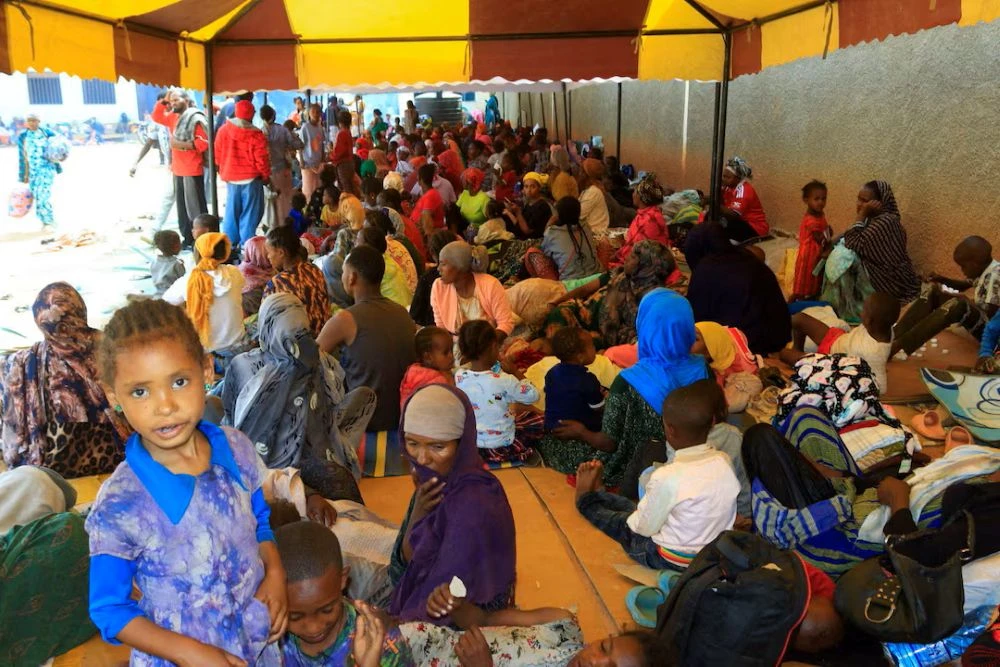
Hundreds of people have fled their homes in the southwestern town of Baidoa after heavy fighting broke out between rival factions of the Rahanweyn Resistance Army (RRA) which controls the town, media reports said yesterday. The militia loyal to RRA chairman Hasan Muhammad Shatigadud fought against those of his former deputies Sheikh Adan Madobe and Muhammad Ibrahim Habsade.
It was reported that in the past two weeks more than 15 people were killed in and around Baidoa because of their clan affiliations, and the killings had become a daily occurrence.
“At this rate there won’t be much business or anything else left in Baidoa, if the situation does not improve quickly and dramatically. As it is, it is almost out of control,” a Baidoa resident was quoted as saying.
The top RRA leadership broke into two factions split in July 2002. The division resulted a series of fighting that has devastated the area. Since then, the town changed hands of rival groups at numerous times. Last month, Shatigadud and Madobe reached a cease-fire agreement in Kenya, but the pact does not appear to be holding.