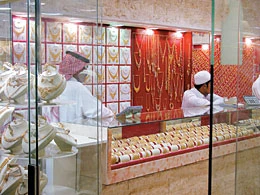
JEDDAH, 17 February 2004 — As the deadline for complete Saudization of the gold industry approaches, many non-Saudis in Jeddah’s legendary gold souk are bracing themselves for the worst — losing their jobs.
“We came here looking for an opportunity to make a living,” Alawi Al-Hamed, a 10-year resident from Yemen, told Arab News. “We knew nothing about the gold business when we first got here. If the opportunity is no longer there, then so be it. We will learn a new trade.”
While Alawi, was realistic about the possible outcome, other salesmen were more pragmatic.
Mansour doubts there will be any serious differences when Saudization of the industry is complete. “None of the gold stores are taking it very seriously. Some stores will be fined, or even shut down, but the expatriate presence will always be here. We are the pillars of this industry.”
But are Saudis willing and able to take over an industry, that has long been seen run by foreigners? “It depends on the Saudi being trained for the job,” says Khaled Al-Ghamdi, who supervises a store that is a long way from complete Saudization.
When asked by Arab News whether foreign salesmen would lose their jobs, Khaled said that that was the shop-owners’ discretion.
Tareq Al-Tammar, owner of a gold shop, believes many gold shops are going out of business because of Saudization. “Many Saudis who want to work in the business have no prior experience whatsoever and you can’t gain that experience overnight.”
Jameel Farsi, head of the Gold and Jewelry Committee at the Chamber of Commerce and Industry, stated that Saudi youth had already “proven” itself in the field. He pointed out that the committee had not received any complaints, thus confirming his confidence in the competency of young Saudis to develop themselves in a short period of time within these occupations.
Frank Hardy, an English consultant gemologist and valuer with over 20 years experience in the industry, was skeptical. “Although there has been a three year grace period to Saudize, I haven’t seen any significant training programs for Saudis. Selling precious metals and gems is not like selling potatoes.”
He said that the basis of gold and jewelry retailing was trust. “The client has to trust the honesty and the knowledge of the retailer. The average buyer is not an expert in precious metals and gems. Unfortunately, neither is someone brought into a job just because he is of a certain nationality.”
He pointed to the strict controls and standards regulating the jewelry industry in the UK and the training offered by the British Jeweler’s Association as sources of the product knowledge needed in the industry.
The pressure of Saudization of the gold industry has led to speculation that much of the industry will relocate to Dubai, because of a friendlier retail environment there.
But Jameel Farsi denied that any retail stores would be moving to Dubai. He did point out, however, that some of the factories had moved to Dubai due to the facilities and procedures provided there for factory owners.
The Saudi gold market consists of some 6,000 retail jewelry shops. Jeddah is the largest single one with nearly 1,300 shops or 21.7 percent of the total number in the Kingdom.