JEDDAH, 11 April 2004 — A Somali human rights group has expressed concern that foreign vessels illegally dump hazardous waste in the unpatrolled waters off the country’s coastline, press reports said. According to the some Mogadishu-based newspapers, a number of mysterious containers were seen on Thursday in the waters off the coast of central and northeastern regions.
“These containers may contain nuclear and other dangerous wastes, which may have a tremendous health impact on fishermen and fish eaters,” the head of Ismail Jumaale Human Rights Center was quoted as saying. The group has been monitoring illegal and suspicious dumping along Somalia’s coast.
“Because of a lack of central administration and coast guards, Somalia has been susceptible to foreign intruders to dump their waste,” said Mohammed Ali Aweys, the manager of the Banadir Fishing Company. He said his fishermen had seen foreign vessels fishing illegally in the country’s waters and dumping waste.
Somalia has no health officials nor testing facilities to determine if the containers are harmful. Somali fishermen, however, try to avoid the material.
At the same time, about 28 illegal Somali immigrants have reportedly landed in Malta after being rescued by a ship that was sailing toward Greece. The ship had spotted the 15-foot boat around 40 km from Malta and took the illegal immigrants — 3 women and 25 men — on board. It then sailed toward Malta where they were reported to be in good health.
***
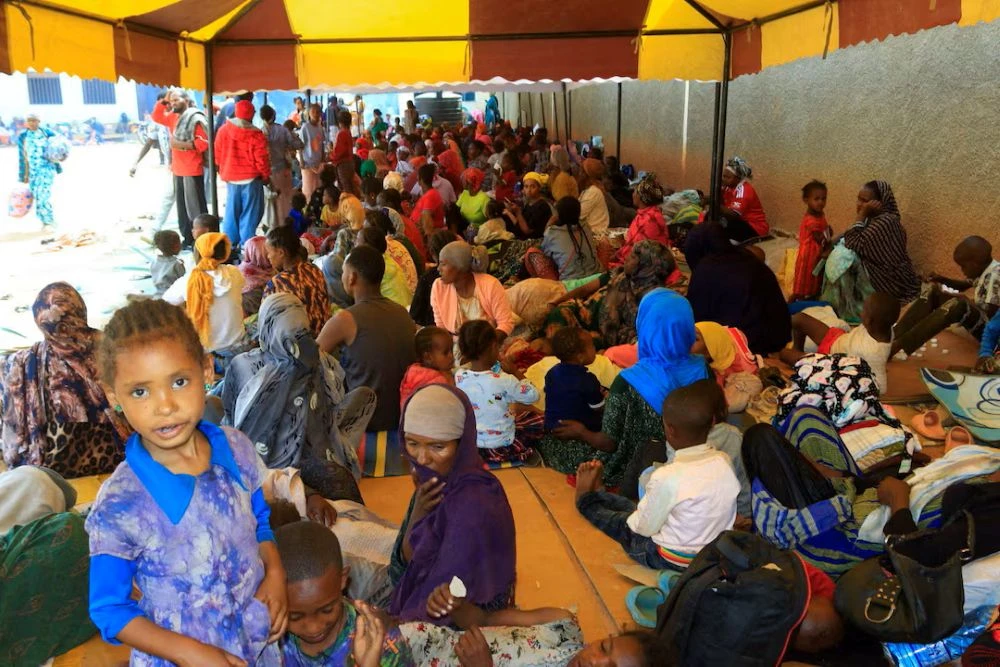
About 20 percent of the children in the drought-affected northern regions of Sool and Sanaag are believed to be malnourished, a study by the UN Children’s Fund (UNICEF) found.
UNICEF said in its March report that the results of screening some 7,457 children had shown that about 1,490 were moderately malnourished and 126 severely malnourished.
“Overall, about 20 percent of the children are malnourished,” said the report, adding that UNICEF had signed an agreement with an NGO, Action Contre La Faim, to carry out a nutrition survey in Garowe, Dangorayo and Burtinle districts of the Nugal Region in northeastern region of Puntland.
UNICEF is also supporting the screening of children for malnutrition in the Bay and Bakool regions, and in the capital, Mogadishu. Last month, the European Commission and US-funded aid agencies jointly warned in a report that food insecurity in the pastoral areas of north and central Somalia had worsened as the harsh, dry season (from January to March) progressed.
The report said about 95,000 pastoralists were facing “a humanitarian emergency” and another 123,000 “a livelihood crisis”. It added that both groups required immediate humanitarian assistance to prevent deaths and rising malnutrition, and noted that areas in the “humanitarian emergency” category had expanded to cover most of Garowe and Eyl districts.
The agencies warned that if the rainy season (April to June) failed, the situation in the pastoral areas of northern and central Somalia would escalate to a large-scale humanitarian emergency in terms of severity and magnitude.
UNICEF Somalia Representative, Jesper Morch, said in statement that various items donated by China are being distributed to vulnerable children and women in drought-affected areas.