GENEVA, 21 April 2004 — Sudan will let a UN team into the country within days to probe alleged atrocities by government-backed militia in the Western Darfur region after initially blocking them, a UN spokesman said yesterday.
Khartoum’s U-turn over the UN visit came a day before the United Nations’ top human rights forum was due to vote on a resolution condemning widespread violence in Sudan.
It also prompted the mission to postpone the release of a report yesterday on the situation following their initial mission to see refugees who had fled Darfur into neighboring Chad.
“We have just learned from the Sudanese authorities that they will allow now the team to go to Khartoum and Darfur,” said UN human rights spokesman Jose Diaz. “The team will be going we hope in the next coming days.”
The five UN experts had been in Chad since April 5 interviewing Sudanese refugees who escaped alleged ethnic cleansing by Arab militia in Darfur, but they had been forced to return to Geneva last week after being denied entry into Sudan.
The same UN team will travel to Sudan to finish their work but their schedule is still being fixed and it was unclear how long they will stay. Upon their final return to Geneva, the mission will issue a report containing “conclusions and recommendations for further action on the very serious situation in that part of the world,” Diaz said.
On the ground, talks set between the warring sides in Darfur were delayed 24-hours until today, a member of a Chadian mediation team told AFP. A Sudanese government delegation is expected to meet representatives from the rebel Sudan Liberation Movement and the Justice and Equality Movement in N’djamena, the Chadian capital, the mediator said.
The two sides are due to discuss political issues with the aim of solving the 14-month-old conflict, which has claimed up to 10,000 lives. In a surprise truce agreed April 8 under Chadian mediation, the government and rebels pledged to guarantee safe passage for humanitarian aid to Darfur, free prisoners of war and disarm Arab militias blamed for most of the violence.
The cease-fire is the third declared in the conflict, described by the United Nations as the world’s worst humanitarian and human rights catastrophe. The first two truces were short-lived.
The UN Commission on Human Rights is due to decide today or possibly tomorrow whether to approve a draft resolution that calls on the Sudanese government to ensure all attacks on civilians are stopped.
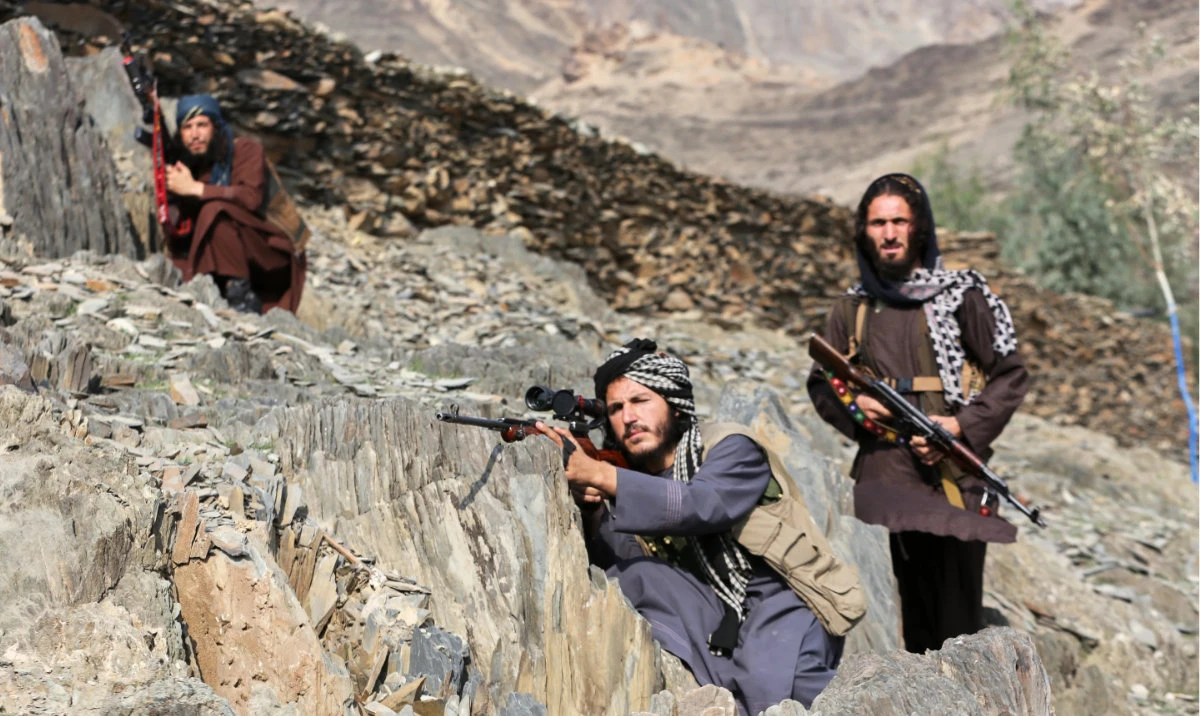
Sudan has denied arming the Arab militias who have looted and burned African villages, forcing one million people to flee their homes and become displaced in Darfur, according to UN figures.
A further 100,000 refugees have escaped to Chad during more than a year of fighting, which started with a rebel revolt against the government amid allegations it had backed the militias and was neglecting the Darfur region.
The UN High Commissioner for Refugees said yesterday that 31,100 Sudanese refugees from Darfur have been relocated in five new camps in eastern Chad since the middle of January.
“UNHCR staff on the ground hope to at least double that figure by the end of May,” said spokesman Ron Redmond. “We want to try to move as many of the refugees as possible by the start of the rainy season in late May or early June,” he told reporters at the UN European headquarters in Geneva.