NAIROBI, 7 May 2004 — Blamed by the United Nations and the United States for committing atrocities against its own people, Sudan yesterday slammed Washington’s human rights record and cited the treatment of Iraqi prisoners.
The US delegation walked out of the UN Human Rights Commission on Tuesday following Sudan’s re-election to the UN’s main watchdog body, accusing Khartoum of ethnic cleansing in its western Darfur region, a charge Sudan denies.
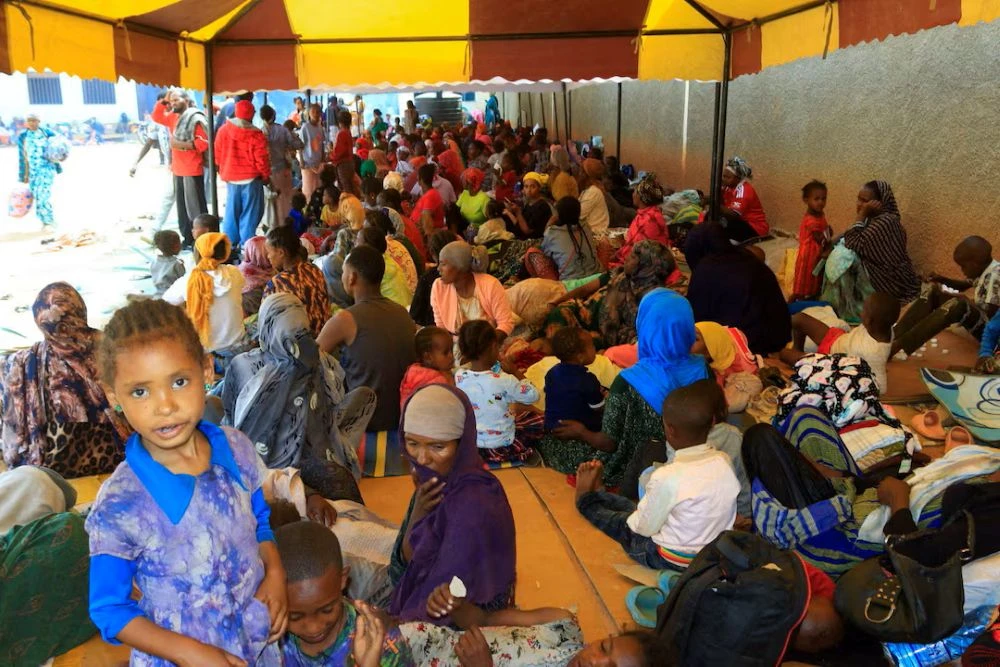
Sudan has been the target of worldwide criticism over Darfur including an expression of concern from the Geneva-based commission in late April. Khartoum has been accused of backing Arab militias that have been pillaging black African villages in the Darfur region, killing and raping.
“The United States is one of the biggest human rights violators, whether in Iraq or in other parts of the world,” Sudanese Foreign Minister Mustafa Osman Ismail told reporters in Nairobi as he arrived for a regional meeting.
“We are not saying there are no human rights violations in Sudan, but we are doing our best (to stop it),” he said. In the African regional group at the UN rights body, which rotates candidacies for commission posts, Sudan, Guinea and Togo - all called undemocratic by rights groups - filled seats on the commission this week. A fourth seat went to Kenya.
Ismail accused the United States of turning a blind eye as its soldiers tortured Iraqi soldiers and criticized Washington for not establishing an independent inquiry into the issue. “Instead of establishing an independent inquiry to find out about it and to punish the American soldiers for doing this dirty job, they are saying that they are going to do their own investigation,” he said.
According to a UN report obtained by AFP yesterday, Sudan’s government is deliberately starving civilians in at least one town in the troubled Darfur region. The report also pointed to a campaign of ethnic cleansing and other serious abuses there.
“Numerous testimonies ... substantiated by the actual observations on the ground, particularly the longstanding prevention of access to food, alludes to a strategy of systematic and deliberate starvation being enforced by the GoS (government of Sudan) and its security forces on the ground,” said the report compiled after several UN agencies visited the town of Kailek in South Darfur on April 25. “It is obvious that the armed persons ‘guarding’ the IDPs (internally displaced people) have generally prevented the influx of food ... including initiatives by the IDPs themselves to go into the forest to fetch basic food necessities.”
It alleged that the local commissioner had decreed that IDPs should be prevented by force from leaving Kailek and that the only way round this edict was to pay a hefty fee to security forces there.
A food delivery destined for the IDPs in early March was “appropriated by janjaweed fighters (militias allied to the government) ... who used it to feed themselves and their camels,” said the report.